.svg)


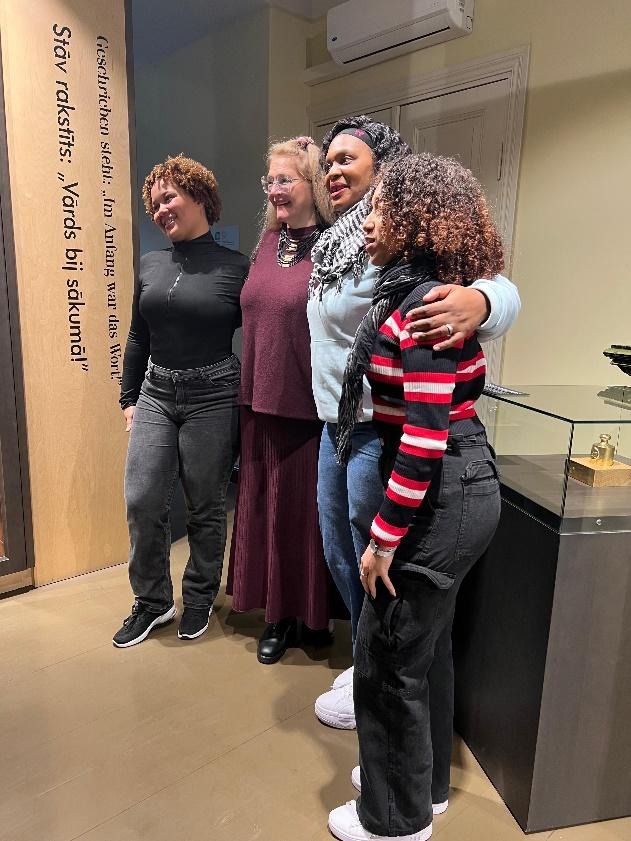
My name is Maneo Chobokoane, a senior specialist at Mohlanapeng High School in Lesotho.
This five-month stay in Daugavpils, Latvia, promises to enhance my teaching skills and doctoral research through immersion in an international academic environment. Before mobility, both sending (NUL) and receiving (DU) institutions coordinate effectively. During mobility, ongoing communication with NUL and DU sustained progress, as coordinators offered timely assistance for adjustments to workshops, seminars, and collaborative activities. These engagements deepened my academic expertise, exposing me to specialised research methodologies in linguistics and innovative pedagogical approaches not available at home. I enhanced research skills, while expanding my teaching repertoire via diverse assessment strategies and classroom techniques. Professionally, these gains linked directly to my PhD journey, fostering intercultural competence as I interacted with students from varied backgrounds. Personally, living outside Lesotho builds resilience and independence; I navigated daily routines, managed finances, and embraced flexibility amid new social norms.
The warm welcome at DU orientation revealed Latvia’s academic hospitality, while seminars on multilingual pedagogies transform my approach to English language teaching. Collaborations with local researchers broaden global perspectives, and everyday experiences – like Riga’s festivals and cuisine – cultivate empathy and a widened worldview. Challenges, such as adapting to a new academic culture and balancing mobility with doctoral responsibilities, test adaptability, yet institutional support and careful planning mitigate them effectively.
To future Erasmus+ students, I recommend starting early by securing learning agreements, visas, and expenses pertaining to the stay in Egypt since the expenditure for accommodation and visas amounted to a lot of money, while aligning personal, academic, and institutional timelines to avoid conflicts. Build deliberate networks by introducing yourself to mentors, colleagues, and student groups at the host institution, as intentional connections foster meaningful collaborations and support. Plan a balanced program that mixes coursework, research, and intercultural activities, scheduling buffer time for adjustments and unexpected opportunities. Document everything meticulously – approvals, budgets, outputs, and reflections – to simplify reporting and impact assessment. Finally, prioritise wellbeing by seeking supportive communities, addressing language barriers proactively, maintaining a reflection journal, and sharing practical recommendations with peers to maximise this transformative experience.