.svg)


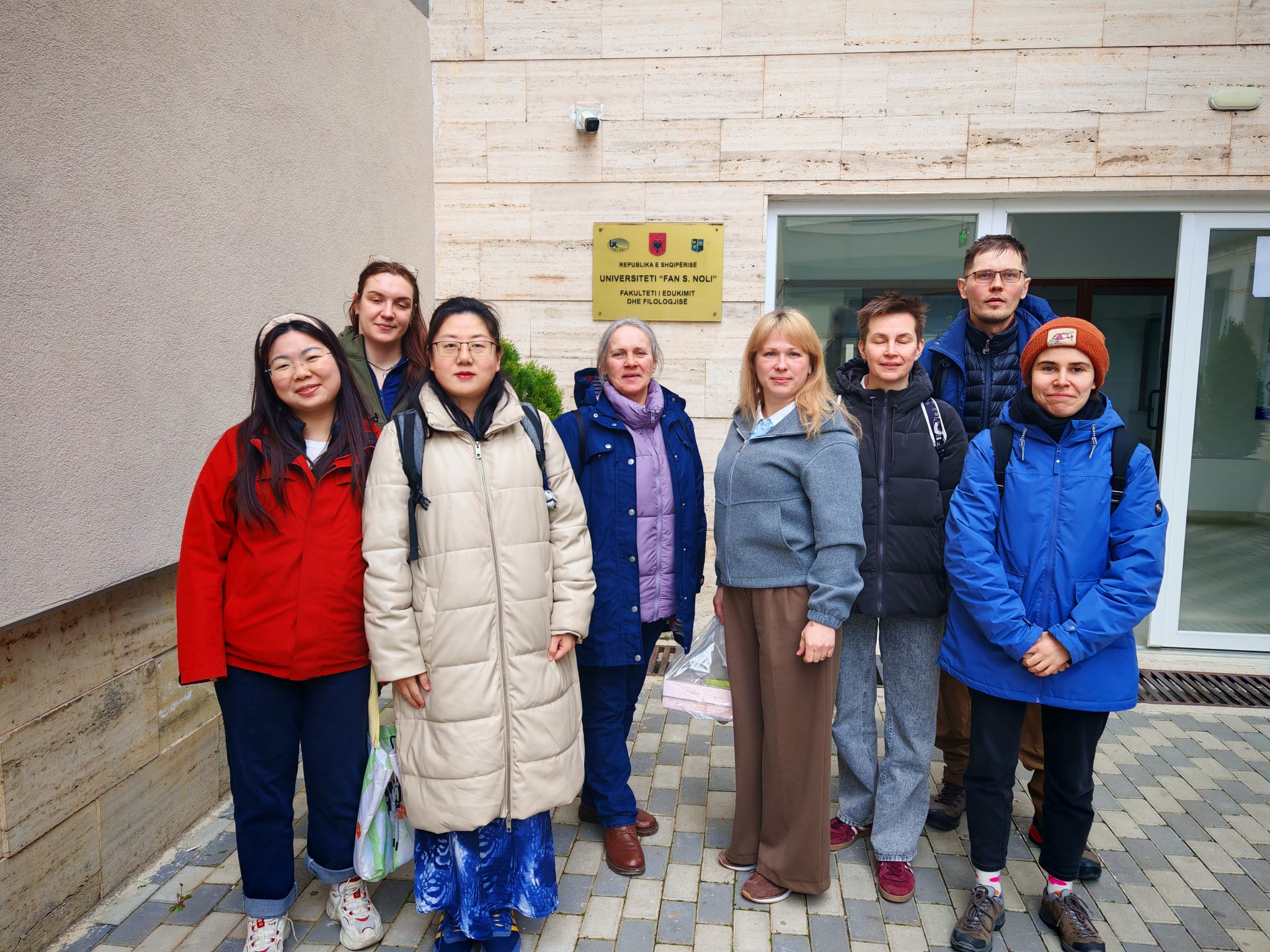
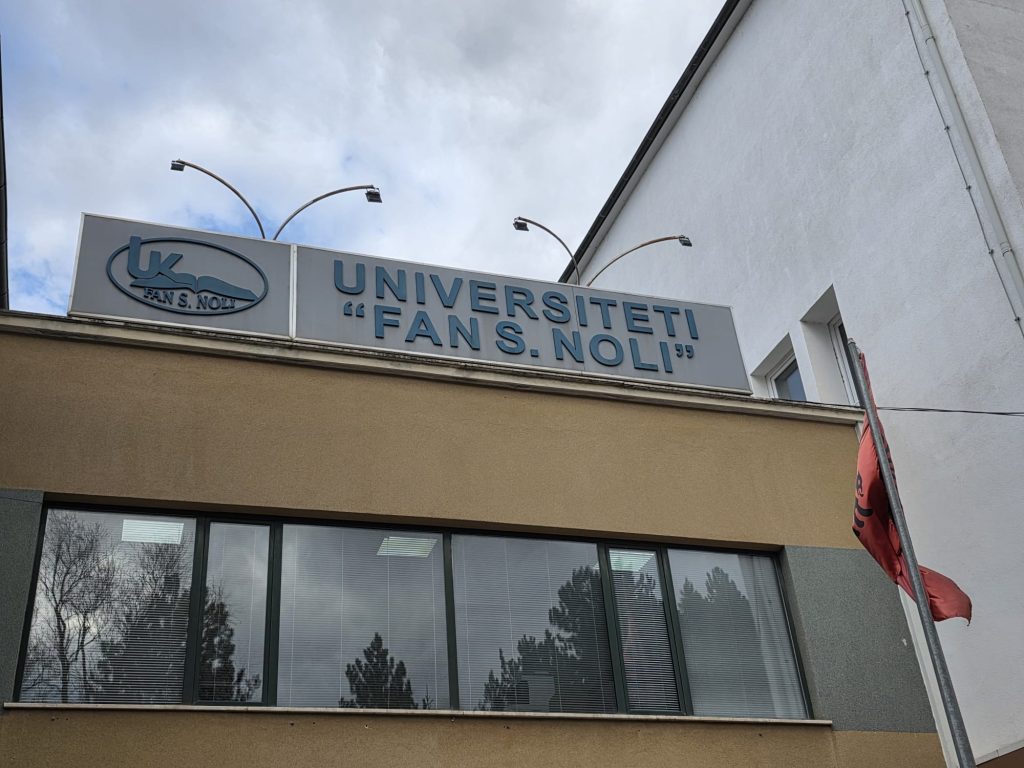
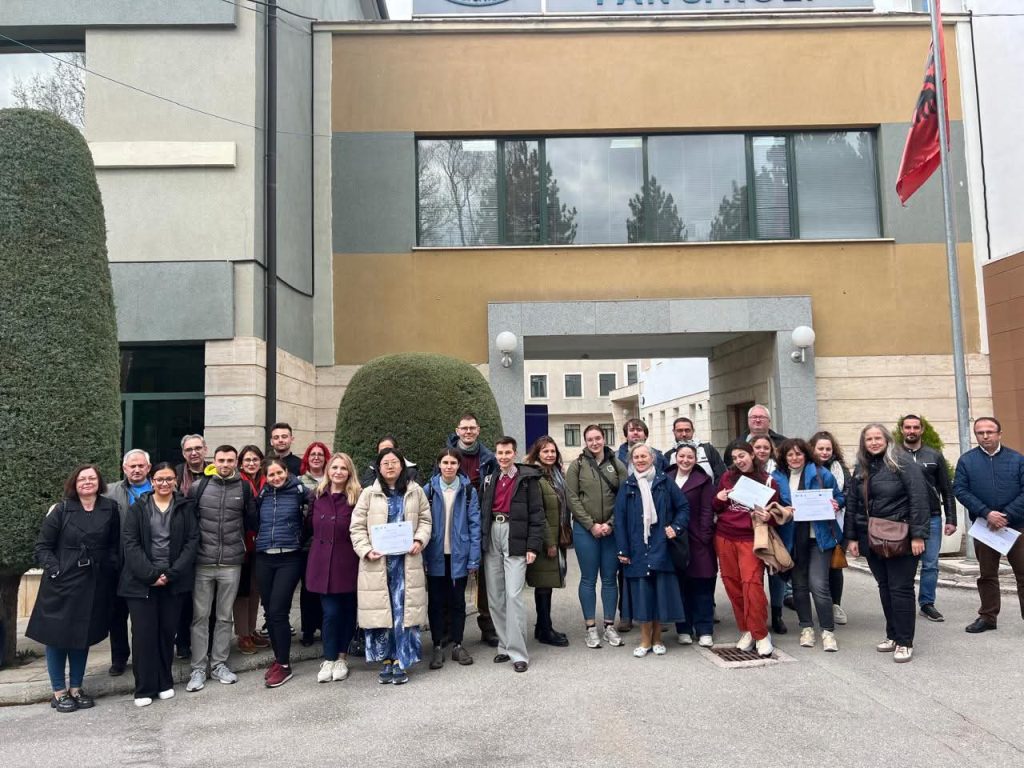
From March 23 to March 27, 2026, within the framework of the EU Erasmus+ programme, eight doctoral students from Daugavpils University, representing the study programmes “Psychology”, “Language and Culture Studies”, “Management Science”, “Biology”, and “History and Archaeology”, participated in the doctoral school “Intercultural Communication and Digital Transformation of Scholarly Research”. The event was organized by “Fan S. Noli” University in Korçë, Albania, in collaboration with St. Cyril and St. Methodius University of Veliko Tarnovo, Bulgaria.
The doctoral students are sharing their experiences to inspire other students to take advantage of the opportunities offered by the Erasmus+ programme.
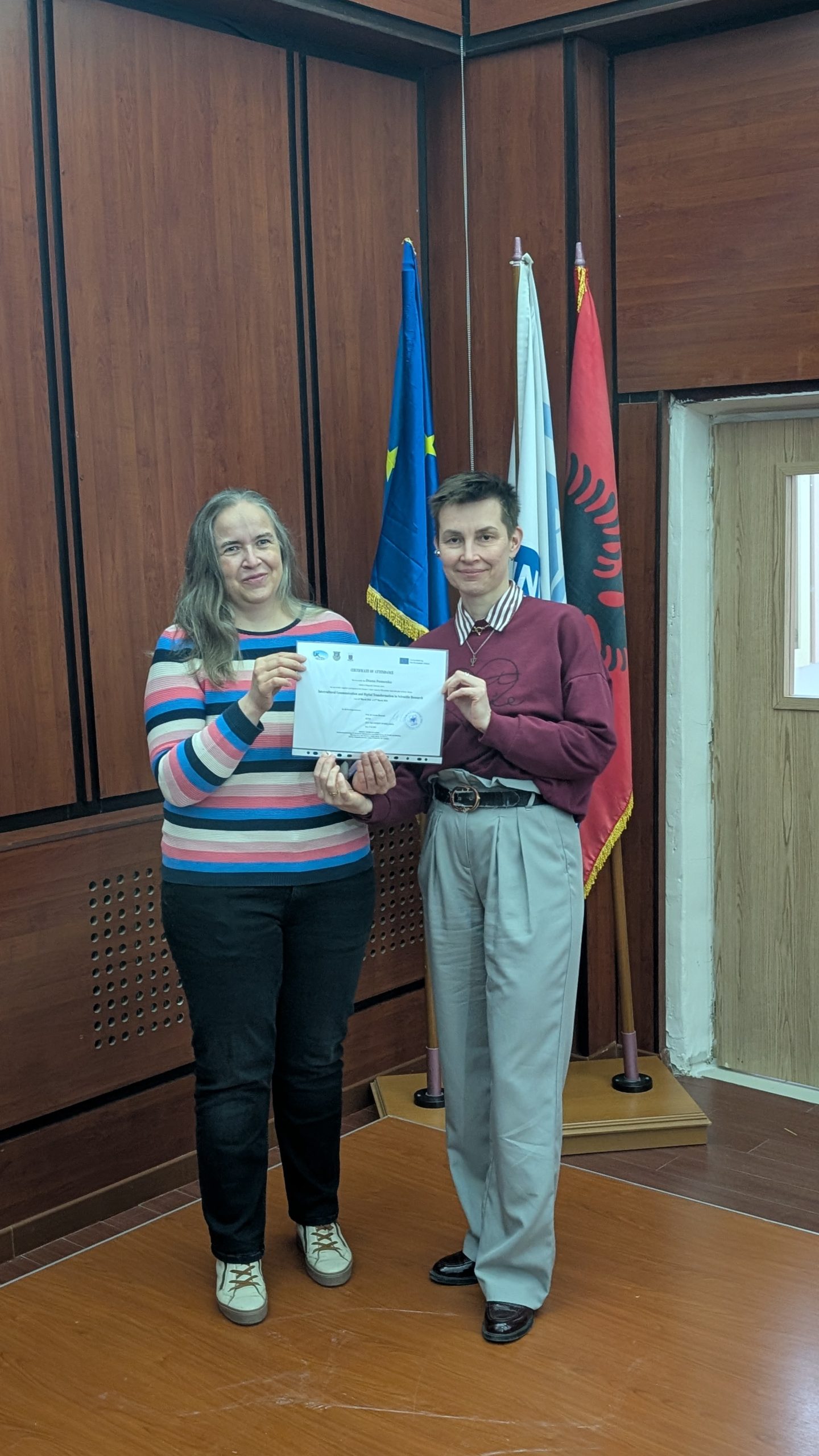
Diana Fomenko, Doctoral Study Programme “Psychology”
“My choice to participate in the Erasmus+ mobility was directly related to the topic of my doctoral thesis: *’Student Expectations Regarding Teachers and Artificial Intelligence Technologies: Motivation and Engagement Factors in the Learning Process’*. The doctoral school in Korçë offered a unique programme focusing on the digital transformation of scientific research and intercultural communication. As my research analyzes the impact of AI tools on motivation, participating in such an international forum was essential to gain a broader perspective on how AI is changing the landscape of modern education and research.
Academic Gains:
Personal Gains:
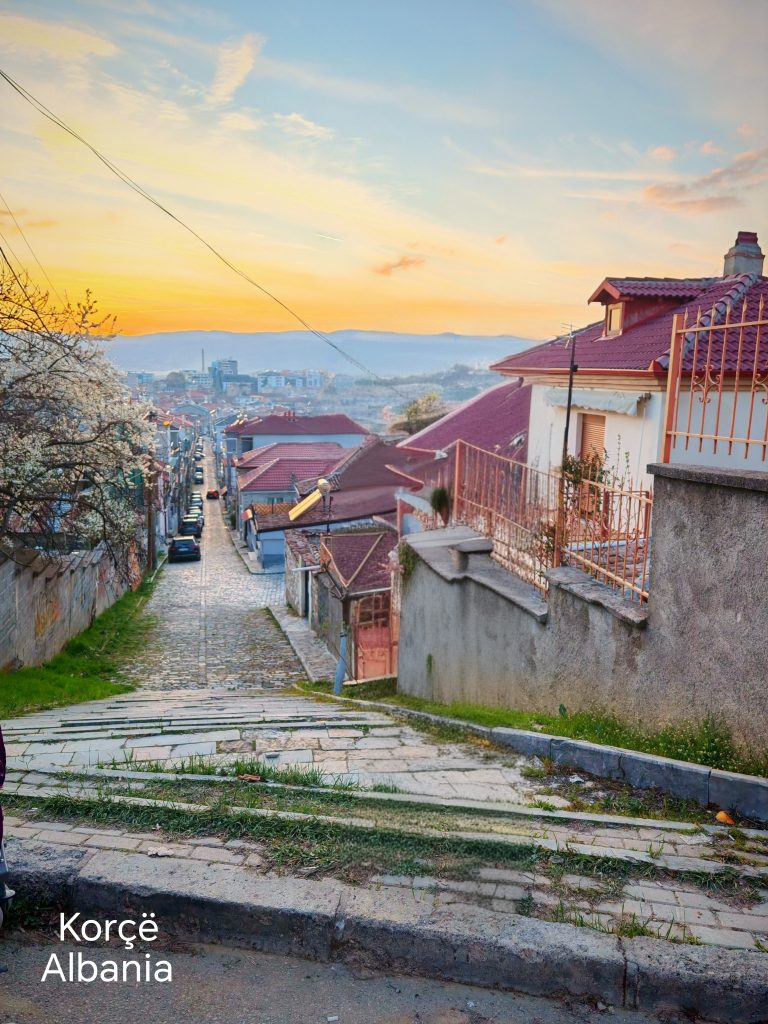
Life in Korçë provided an unforgettable cultural experience. The study visits to the National Museum of Education were particularly impressive. A hike and a trip to the picturesque village of Lin allowed me to experience the natural beauty of Albania. The locals are very hospitable, and the accommodations are cozy.
The mobility helped me better understand the principles of Open Science and the importance of storing anonymized data for future publications. Erasmus+ is not just about studying; it is an opportunity to integrate international perspectives into one’s research design. It was especially valuable to discuss the psychological aspects of AI use and data security, which are critically important in my work with secondary school teachers and students.”
Bury Uladzimir Doctoral Study Programme “Biology”
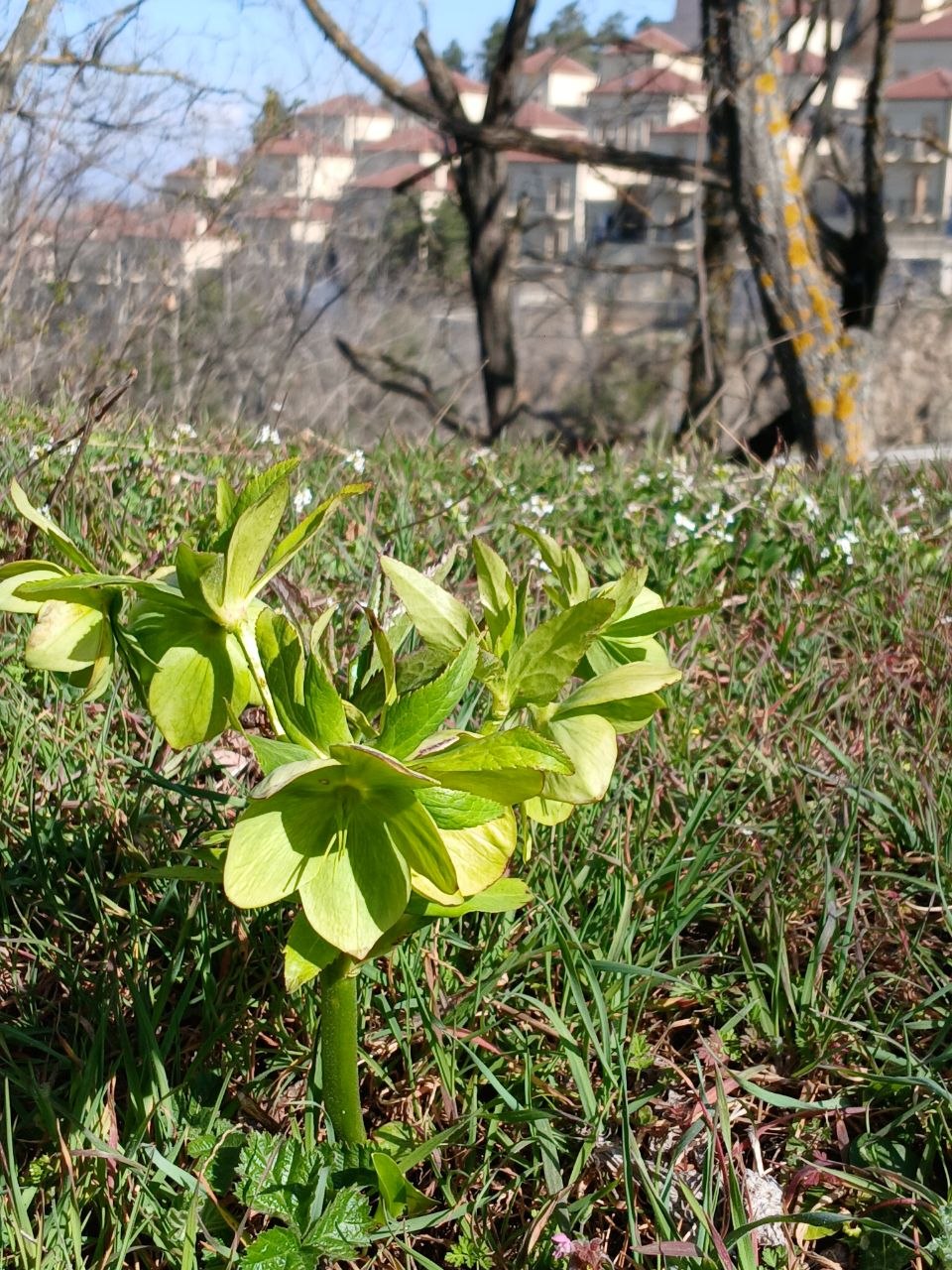
For a long time, part of my work was connected with coordinating students on behalf of the host institution who came to us for long-term stays of up to one year. Therefore, I wanted to gain my own first-hand experience of participating in Erasmus+ activities, so that in the future I could try a longer mobility period myself. I also, of course, wanted to see a region that was new to me, including from the perspective of a field botanist, to practice my spoken English, and I found the academic program interesting as well, especially everything related to AI.
Many of the topics I heard during the lectures were completely new to me, and some helped fill specific gaps in my knowledge, especially those related to GIS and AI. I was glad that the lectures and communication were not focused exclusively on doctoral work, but also covered other areas, such as national minorities in Albania. I gained experience communicating in English, which is important for me. I also made new contacts, and even more importantly, with doctoral students from Latvia working
in other fields, with whom I will definitely stay in touch in the future.
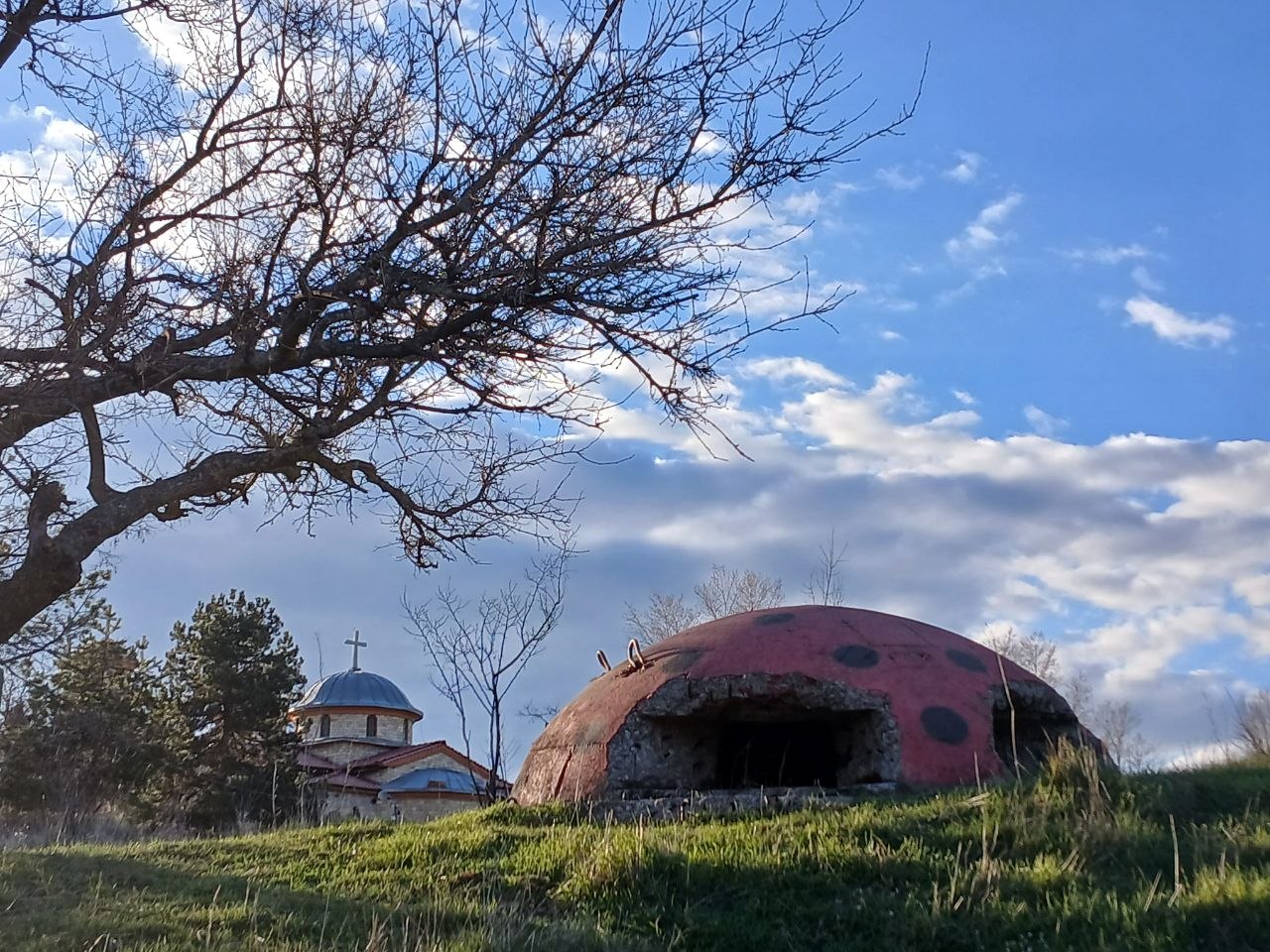
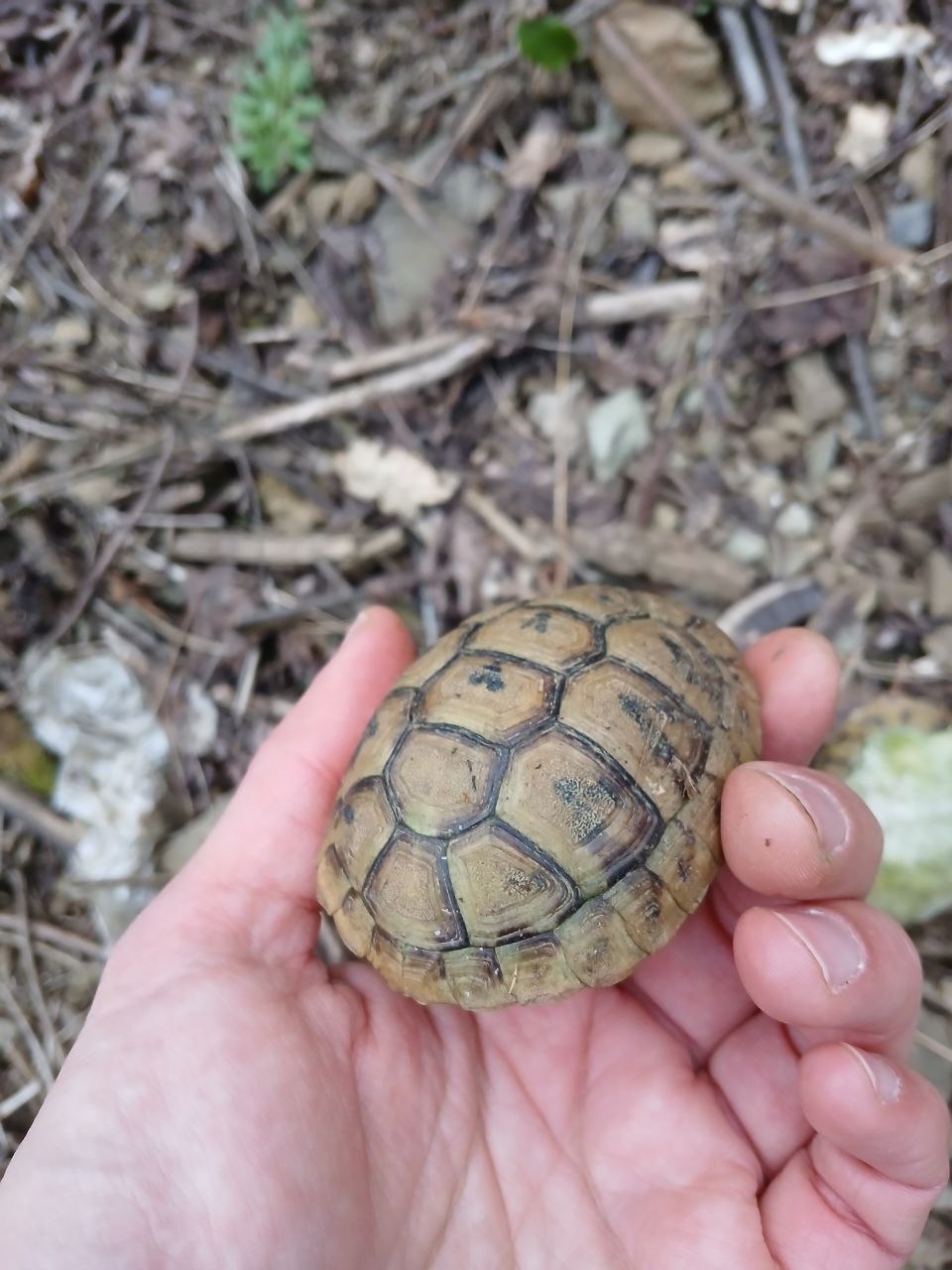
My strongest impressions are, of course, connected with the very place where the study mobility took place – Albania. As a botanist, I was especially interested in the local flora. Unfortunately, it was still too early to see all of its diversity, as it was only the very beginning of spring, especially in the mountains. In my free time I was able to take excursions around the surrounding area. I was especially interested in nature, and now I know what time is best to come to Albania to collect herbarium specimens.
I believe that the opportunities offered by Erasmus+ study mobility are truly unique, and they should be used as fully as possible, especially the longer-term ones.
Marika Kuciņa, Doctoral Study Programme “History and Archaeology”
“I chose to participate in the Erasmus+ study mobility because I had been thinking about it since my undergraduate studies. However, due to a previous misconception that Erasmus was only for long-term, semester-long stays, I hadn’t utilized this opportunity until now.
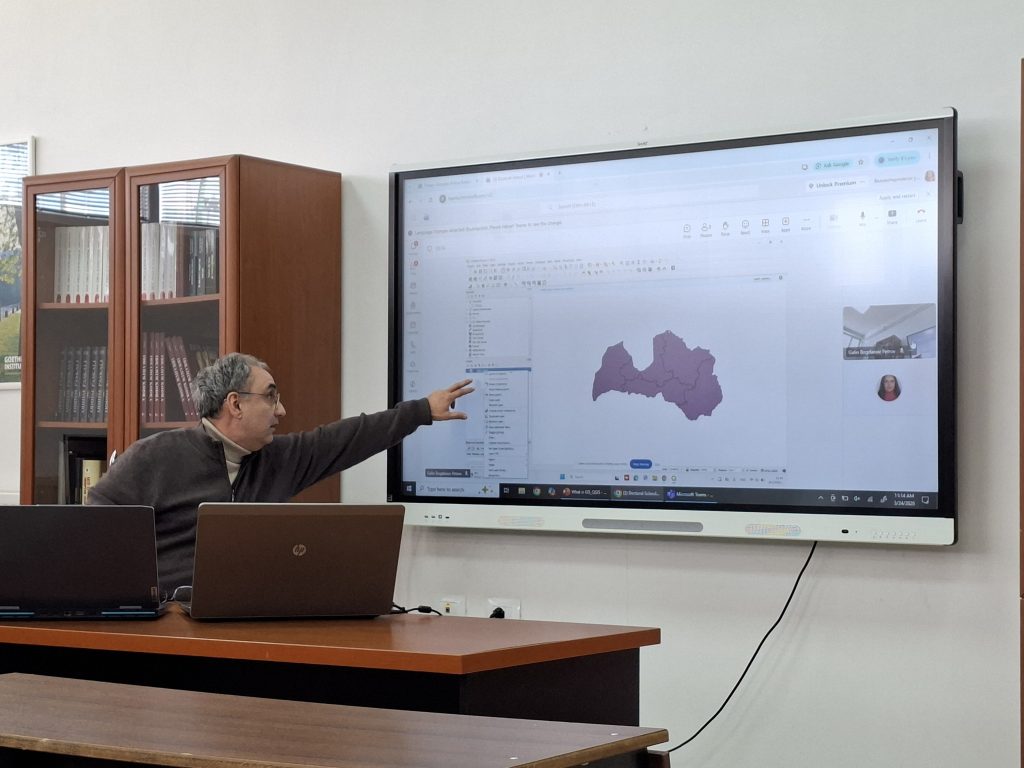
My academic gains as a doctoral student are as follows: I learned about the QGIS positioning software presented by Bulgarian Professor Galin Petrov, which I will use in my research, as well as recommendations for writing scientific articles from the lectures of Albanian professors. My personal gains from the Erasmus+ mobility include the opportunity to take part in the program, practice language skills, and fulfill a long-held dream of participating in such an activity. I also had the chance to meet future scientists from Daugavpils University—Erasmus+ participants from various other study programs.
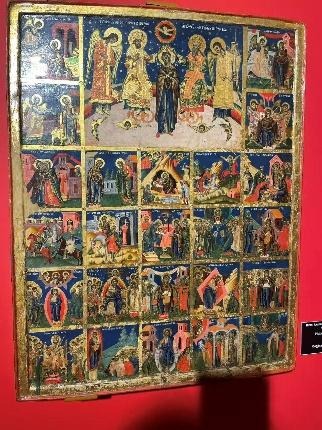
My most vivid impressions while living outside of Latvia during the Erasmus+ study period were the diverse lectures and the professors who were very open to discussion. A particularly memorable highlight was the visit to the Art Museum, where hundreds of icons could be viewed in one place. Also special was the visit to Lake Ohrid on the Lin peninsula, featuring ruins of an ancient monastery and a breathtakingly beautiful panorama of the Dinaric Alps reflecting in the emerald green waters of the lake.”
Lizhi Wang, Doctoral Study Programme “Management Science”
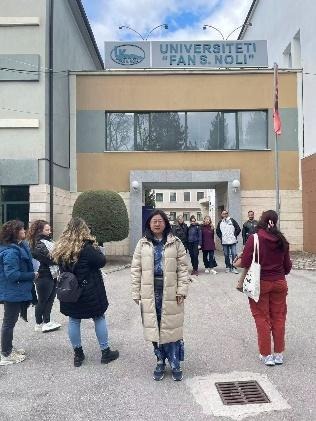
From 23 to 27 March 2026, I had the privilege of taking part in an Erasmus+ doctoral mobility programme hosted by Fan S. Noli University of Korçë, Albania, in co- operation with St Cyril and St Methodius University of Veliko Tarnovo, Bulgaria. What awaited me was not just a series of academic lectures, but a full immersion into Albanian culture, history, nature – and a few unexpected lessons about tourism and fairness.
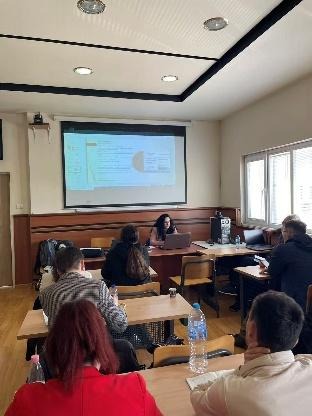
The programme was dense and interdisciplinary, covering topics from statistical methods in the humanities to microcontrollers, AI, migration, and philosophical thought. With so many sessions, it is impossible to describe them all in detail. Instead, I would like to highlight one lecturer who truly stood out: Prof. Boryana Bratanova, PhD.
Prof. Bratanova led two sessions: one on Enhancing Intercultural Competence in Digital Academic Communication, and another on Patterns and Pitfalls of Scholarly Argumentation in Doctoral Research. What made her classes memorable was not only her deep expertise, but her ability to read the room. She knew when to slow down, when to provoke a debate, and when to lighten the atmosphere with a well- placed example. Her session on scholarly argumentation helped me see my own writing blind spots – especially the way I sometimes confuse correlation wit causality. I left her class not just informed, but genuinely inspired to rethink how I build my thesis chapters.
Each afternoon offered study visits or outdoor activities. While we did not attend every planned excursion, we did take part in two unforgettable ones:
Beyond the schedule, I fell in love with Albanian cuisine. From tavë kosi (baked lamb with yogurt) to freshly baked byrek and strong, small cups of coffee – every meal felt like a celebration. The Albanian Alps (though not directly visited during this trip) remained in the distance as a promise to return. The most heartwarming part of my stay was my Airbnb hostess. She barely spoke English, but she used her hands, a translation app, and endless patience to make sure I had everything – from extra blankets to home-made jam. When I left, she kissed me on both cheeks. That kindness is something no curriculum can teach.
This Erasmus+ week was a mosaic: brilliant lectures, inspiring colleagues, medieval icons, lakeside walks, delicious food, and one very kind hostess. It also reminded me that mobility programmes are not just about what we learn in classrooms, but about how we observe, question, and sometimes critique the world around us. I left Korçë with a fuller mind, a warmer heart, and a stronger commitment to building a more humane academia – and a more humane world.
Regīna Furmanova, Doctoral Study Programme “Language and Literature Studies”
“I decided to participate in the Erasmus+ short-term study mobility (doctoral mobility) to develop my research skills, learn about current trends in various scientific fields, and meet doctoral students from different disciplines and universities.
Among my academic gains, I can highlight a strengthened conviction that artificial intelligence will not be able to replace high-quality, human-led research. As for personal gains, I truly value the connections made with these individuals and hope to maintain professional ties with them in the future.
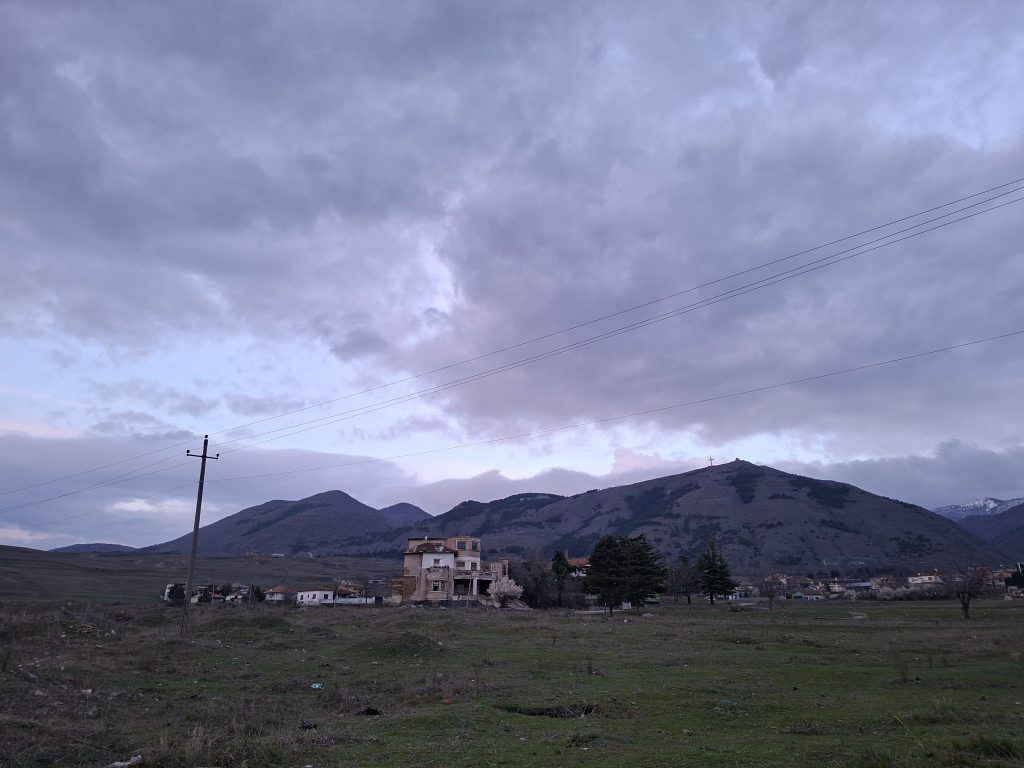
My most vivid impressions include visits to local museums, especially the National Museum of Medieval Art in Korçë, which houses one of the largest collections of icons in Europe. The visit to Lake Lin in the village of the same name was also unforgettable, offering beautiful and diverse natural views—from snow-capped mountain peaks to deep blue waters and unique flora.
For students considering participating in an Erasmus+ study mobility, I recommend being open to new experiences and engaging in various cultural and educational initiatives. Most importantly, do not be afraid to voice your opinions and actively participate in discussions.”
Liega Krasovka, Doctoral Study Programme “Biology”
“I chose to participate in the Erasmus+ study mobility (doctoral mobility) because it is a fantastic opportunity to learn something new, gain experience, meet other doctoral students, and hear about their career and study paths. In my opinion, the exchange of experience is vital; it allows us to establish new international contacts that may be useful in the future while learning from the journeys of others. Participating in such events always provides a chance to expand one’s knowledge and expertise beyond daily work and academic studies.
Regarding academic gains from this Erasmus+ mobility, I would highlight the enhanced knowledge in data analysis, which will be beneficial for my future studies and career. On a personal level, I gained useful insights into business communication and established valuable new contacts.
While living outside of Latvia during this Erasmus+ period, my main impressions were formed by observing life in Albania and how it differs from life in Latvia. I encountered various situations that highlighted the responsibilities of both state institutions and the citizens themselves. It was insightful to see how a country becomes developed through purposeful work and by organizing various sectors.
For students considering an Erasmus+ study mobility, I recommend thoroughly researching the destination country before departure. Familiarize yourself with the public transport systems, the currency used, and the convenience (or possibility) of card payments. I also suggest looking into the country’s history and practiced religions to ensure respectful interactions with the local population; this helps in understanding social norms and avoiding misunderstandings. During this mobility, I gained excellent experience, improved my English language skills, learned a great deal about Albania, and came to appreciate life in Latvia even more. I am now motivated to work towards promoting the level of welfare in my own country.”
Anna Dembovskaya, Doctoral Study Programme “Management Science”
“Participating in the Erasmus+ mobility programme provided me with very valuable academic and personal experience. The cooperation with both the sending and receiving universities was successful at all stages—from preparing the necessary documents before the mobility to the support received during the mobility period itself.
I was given the opportunity to significantly expand my knowledge by attending lectures covering topics such as statistical methods, qualitative research, migration processes, as well as digital transformation and the use of artificial intelligence in research. To make the most of my time during the mobility, I took the initiative to communicate with professors and requested interviews on topics directly related to my doctoral thesis. I am grateful to the interview participants for being open to collaboration and for gladly sharing their professional experience.
Furthermore, it was interesting to get to know a different culture, academic environment, and people. Participating in study visits to museums also certainly enriched my overall experience.
I would highly recommend other students to participate in Erasmus+ mobility, as it is an excellent opportunity for both professional and personal growth.”
Yanhua Pan, Doctoral Study Programme “Management Science”
As a doctoral student in management studies, I traveled to Korica, Albania fromMarch23to27,2026,to participate in the Winter Doctoral Program on Intercultural Communication and Digital Transformation in Academic Research. Organized by Fan S. Noli University in Albania as part of the Erasmus Program, thisprogram provided me with a profound and immersive academic experience, encompassing scholarly exchanges, practical application of digital tools, and cross-cultural immersion.
The opening ceremony was brief yet warm. Subsequently, Assoc. Prof. Katerina Zlatkova-Doncheva’s presentation on “Statistical Methods in Humanities” prompted me to seriously consider for the first time what could the humanistic perspective in management science achieve deeper integration with statistical models? This provided a novel analytical framework for my empirical research in management science. The highlight of the afternoon was Assist. Prof. Valentin Tonkov’s lecture on’ Micro controllers and the Internet of Things.
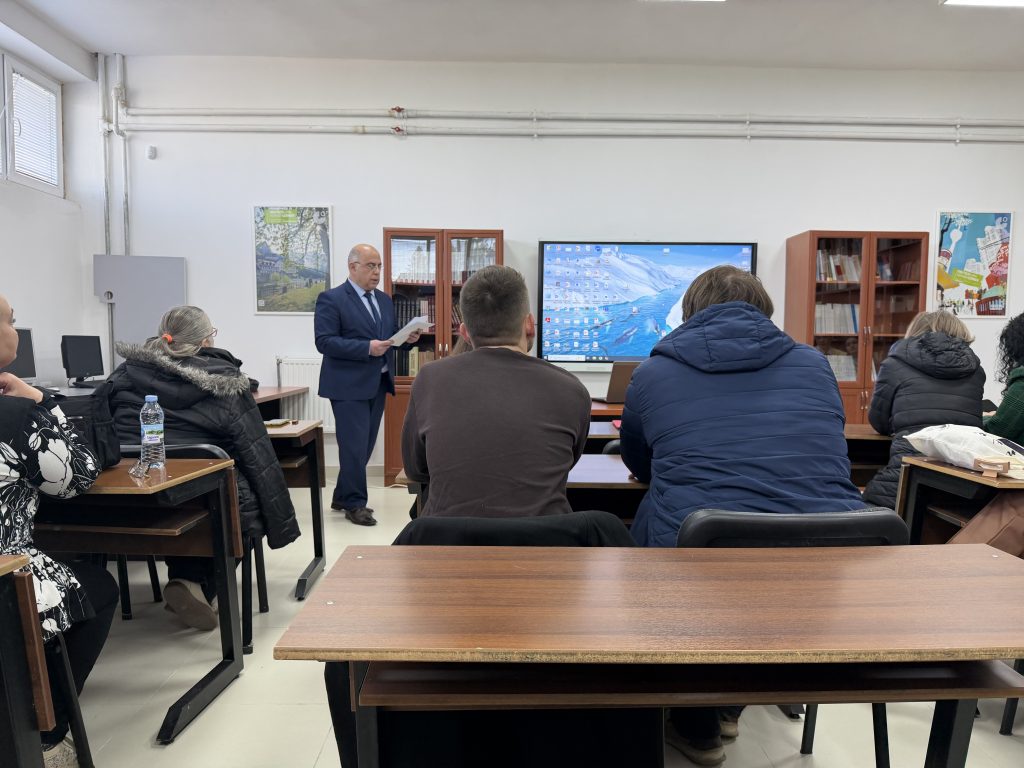
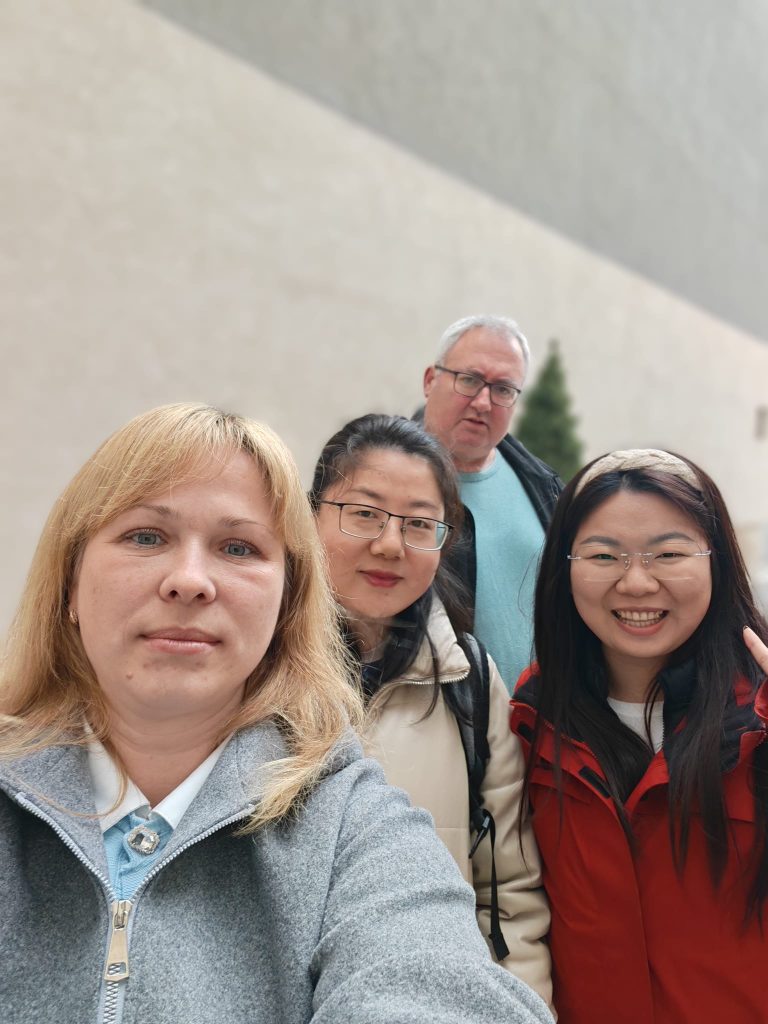
What thrilled me most was the keynote presentation titled “AI-Assisted Literature Review” by Assist. Prof. Nelly Voynova. She showcased several tools I had never encountered before, which could automatically cluster literature and identify research gaps. The efficient literature organization methods powered by AI tools provided a digital solution for my doctoral dissertation research, and I immediately decided to try them out upon returning. Although the afternoon session on Albanian Philosophy and Social Thought was unrelated to my academic field, it provided valuable insights into local perspectives on knowledge, authority, and change—a crucial background for anyone conducting organizational research in the Balkans. The five-day Erasmus doctoral program not only equipped me with essential academic skills including statistical methods, AI research tools, and academic publishing techniques, but also broadened my academic horizons through cross-cultural exchanges. As a doctoral student in management, I will integrate these insights into my future research, leveraging digital tools to enhance my studies and examining management challenges through a cross-cultural lens, steadily advancing my academic journey.
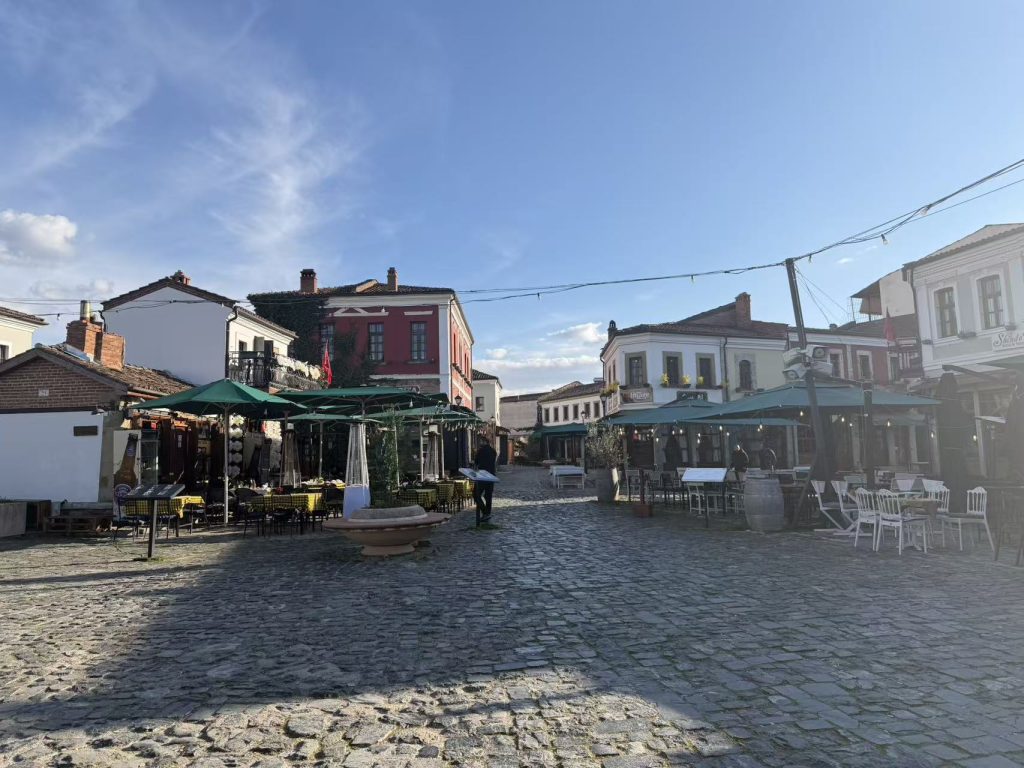
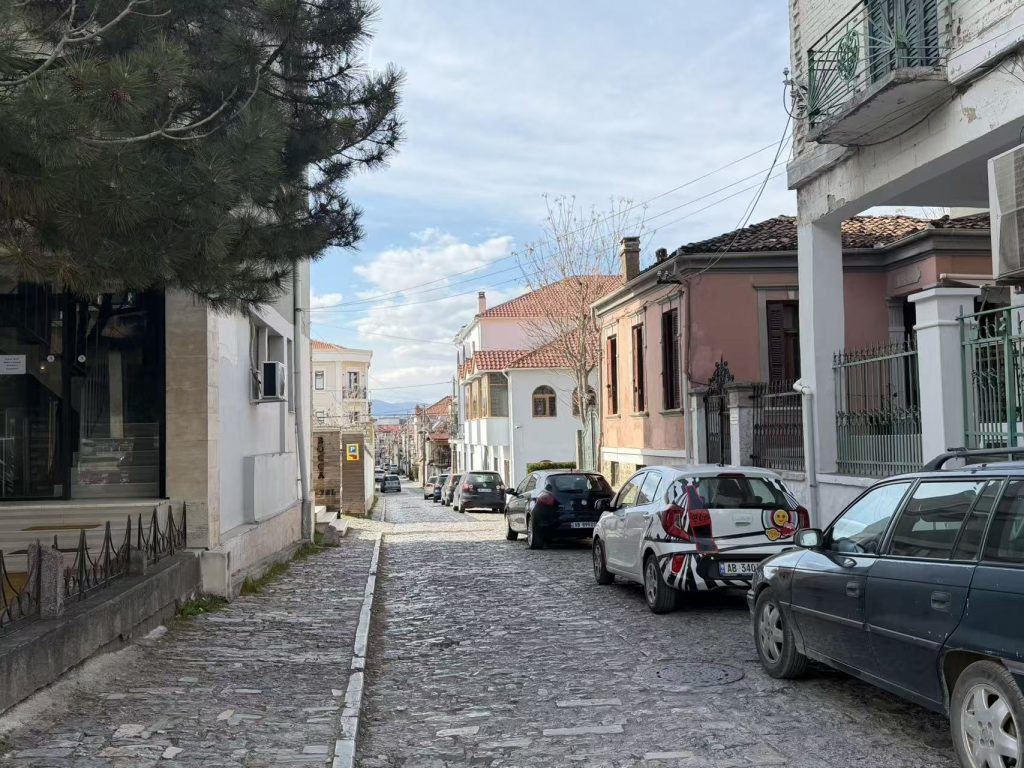
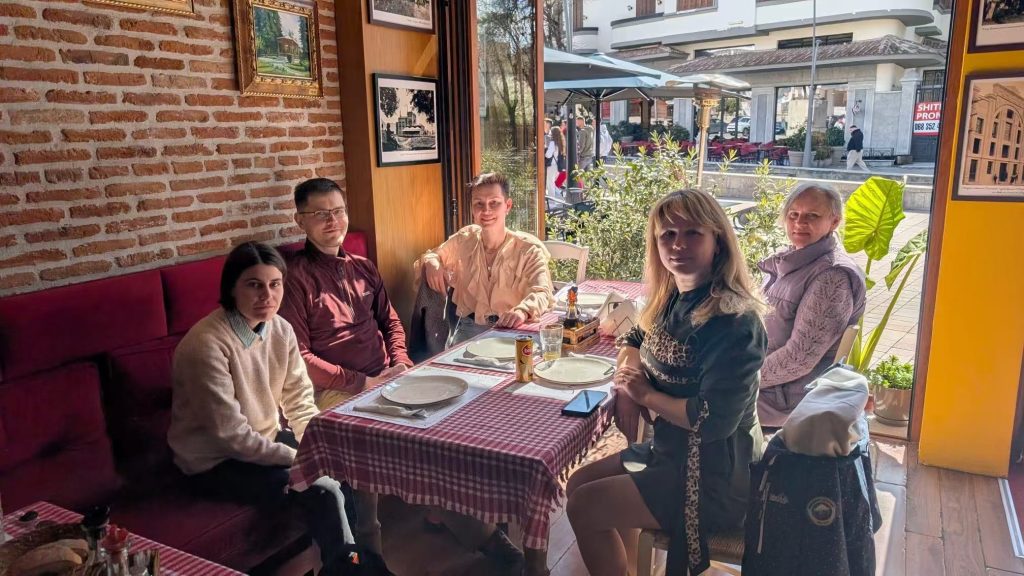
My trip to Albania was not only a journey of academic growth but also a precious memory of cross-cultural friendship and intellectual exchange. When reviewing my notes at the hotel, I realized the week-long schedule had evolved from a simple spreadsheet into a roadmap leading to a more open, collaborative, and human-centered academic world. What I took home were not just credits or certificates, but a fresh perspective on research methodology.
We thank our students for sharing their experiences, which helps promote the visibility of Erasmus+ and encourages others to take on new challenges!
For more information:
E-mail: erasmus@du.lv
Phone: +371 65421606