.svg)


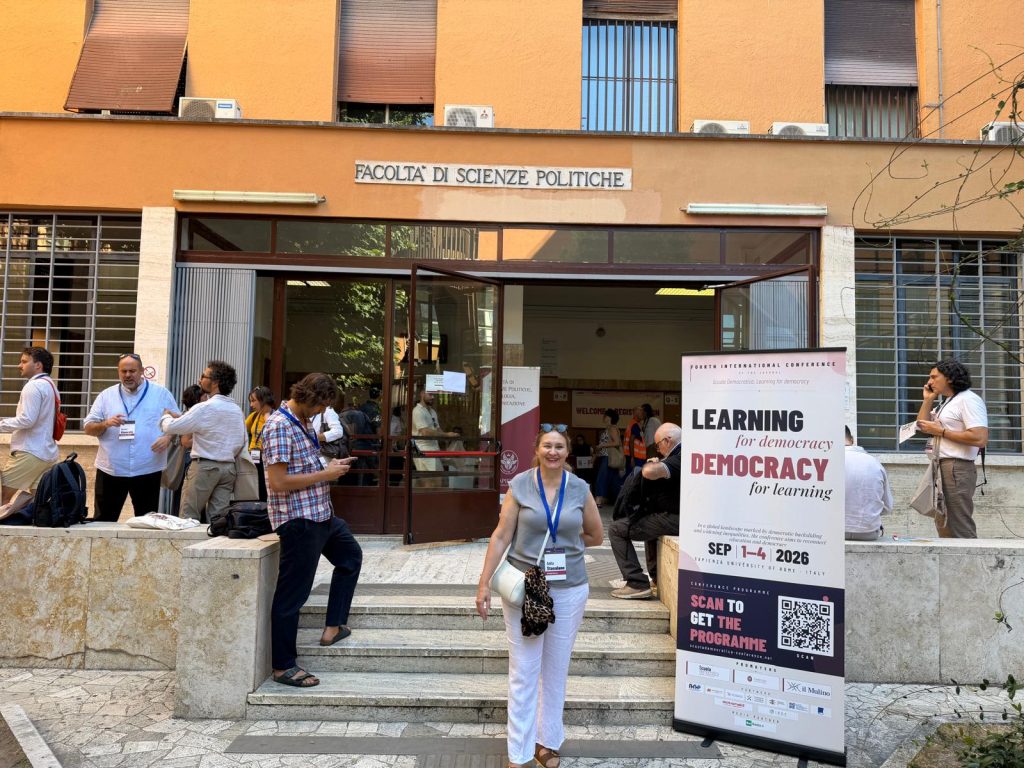
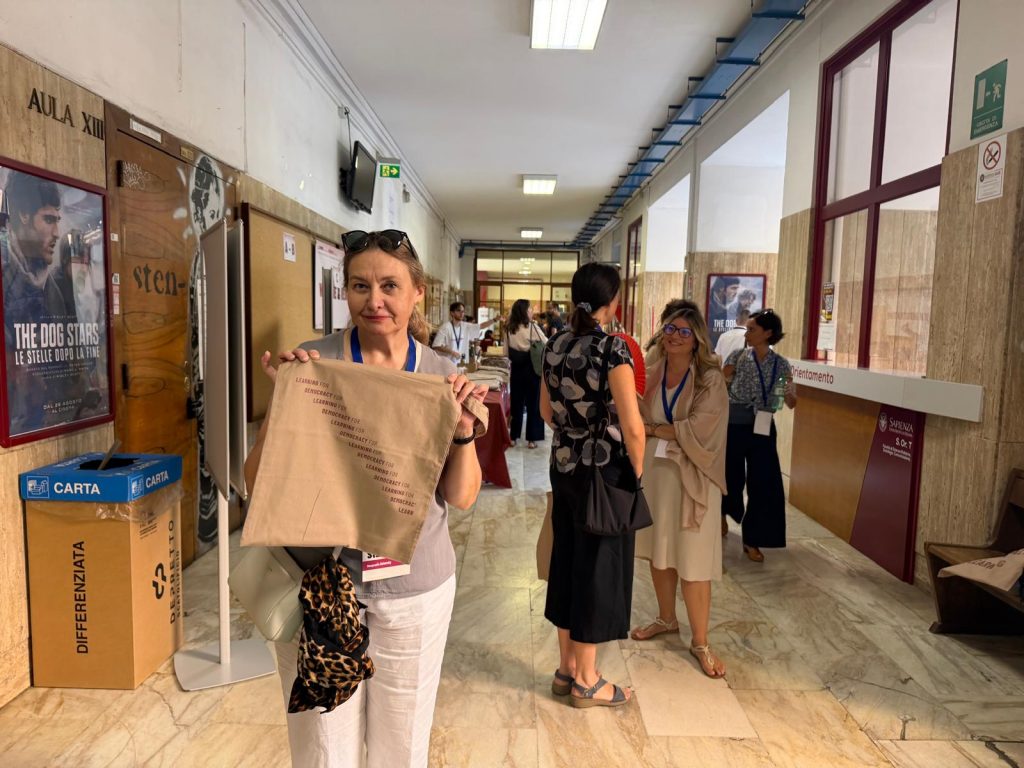
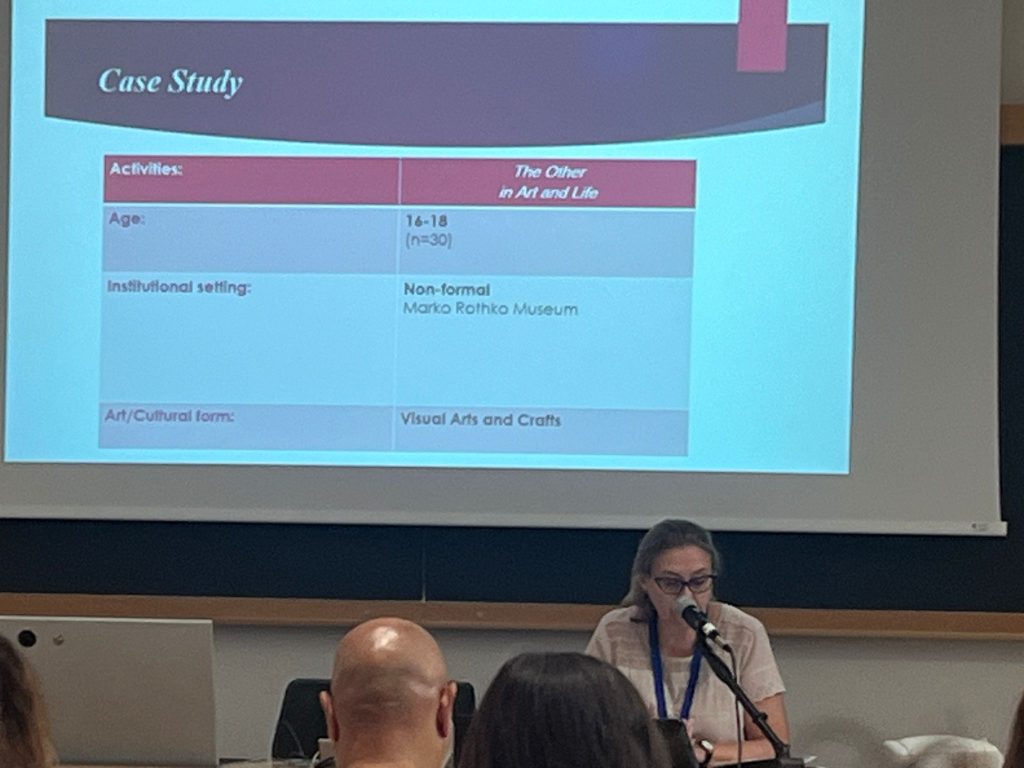
From 1 to 4 September 2026, the 4th International Scientific Conference “Learning for Democracy. Democracy for Learning”, organised by the interdisciplinary scientific journal “Scuola Democratica”, took place at Sapienza University of Rome, Italy. The conference was organised by the interdisciplinary scientific journal “Scuola Democratica”. Researchers from the Horizon Europe project “Cultural Literacies’ Value in Europe” (CLiViE) presented their research findings in the session “Is There a Role for Arts-based Education in Tackling Educational Poverty and Social Exclusion?”, chaired by Ienya Camozzi, Zenia Simonella from the University of Milano-Bicocca (Italy), and Ahson Kemal from the University of Helsinki (Finland). The session featured seven presentations: Vendula Fremlová’s presentation “The Předlice Suburb Through the Eyes of Children. The Role of Art Education in a Low-threshold Club in the Socially Excluded Locality in the Czech Republic”; Ida Castiglioni and Silvia Mornati’s paper “Art Therapy for Supporting Ethnic Identity with Roma Minors. Discussion of a Case in the City of Milan”; Valentina Cappi, Lorenza Villani, Melissa Moralli and Pierluigi Musarò’s presentation “Imagining Possible Futures After the Flood: Participatory Artistic Practices for Climate Justice and Social Inclusion”; Anita Stasulane and Alina Romanovska’s presentation “Art-based Education as a Model of Social Inclusion in Latvia”; Lisa Zaquini, Francesca Anglois, Giacomo Ferrato and Jessica Balbo’s paper “Evaluating the Effects of a Philosophy and Theatre Program in Middle School”; Sara Luraschi’s presentation “Participatory Art as an Educational Tool for Co-constructing Knowledge with Adolescents: The Experience of the Sottobanco Project”; and Chiara Paolino, Daniela Aliberti and Greta Brizio’s paper “New Ways of Learning Inclusion: Dance-based Methodologies to Foster Reflective Ways to Think About Diversity”. All presentations reported on activities carried out within the project partners’ countries where issues related to cultural literacy are being investigated. The findings of the study conducted in Latvia indicate that cultural literacy fosters critical thinking, empathy, and the ability to navigate diverse social environments. Cultural literacy enables learners to interpret cultural meanings, question assumptions, and understand how identities are shaped within social, historical, and political contexts. These skills are essential for constructive intercultural dialogue and social inclusion.
The activity was implemented within the framework of the Horizon Europe research project “Cultural Literacies’ Value in Europe” (CLiViE, Grant Agreement No. 101132285).
Additional information:
IHSS acting director, professor and leading researcher Anita Stašulāne
e-mail: anita.stasulane@du.lv
The project has received funding from the European Union’s “Horizon Europe” Research and Innovation programme under the grant agreement No. 101132285.