


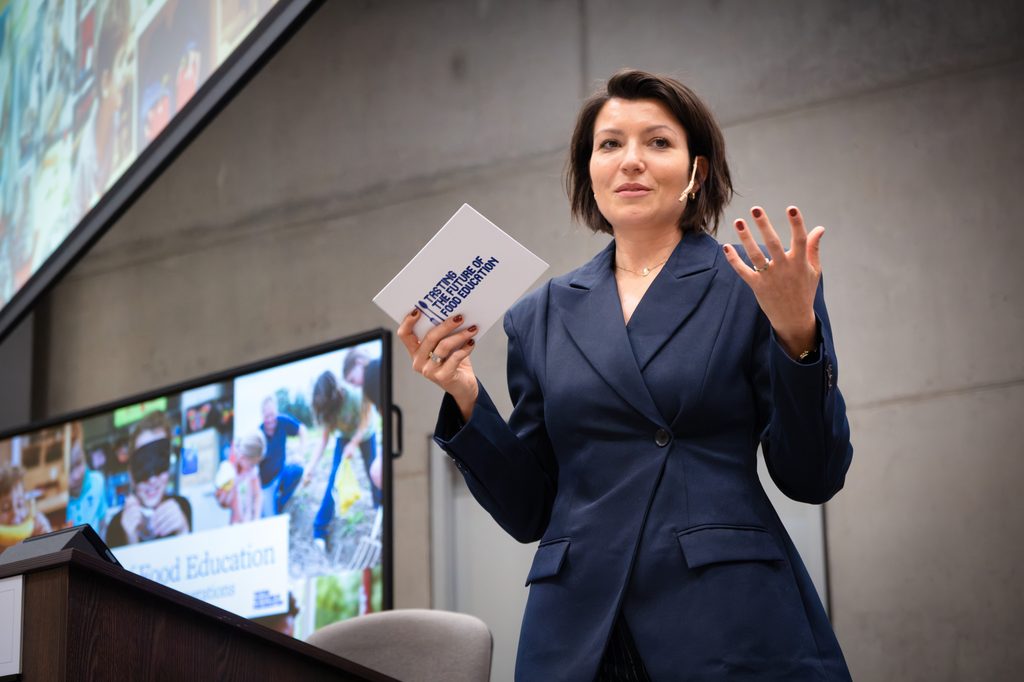
Does a child need to taste an unfamiliar food to become curious about it? The SAPERE approach to food education offers a different starting point — allowing children to explore food, smell it, touch it and decide for themselves whether they want to taste it. This approach was one of the central themes of the international symposium “Tasting the Future of Food Education”, held on 18–19 November 2026 in Wageningen, the Netherlands. Representatives of Daugavpils University (DU) participated in the event as part of two Interreg projects – SchoolFood WasteSolutions and EDUFOOD BSR.
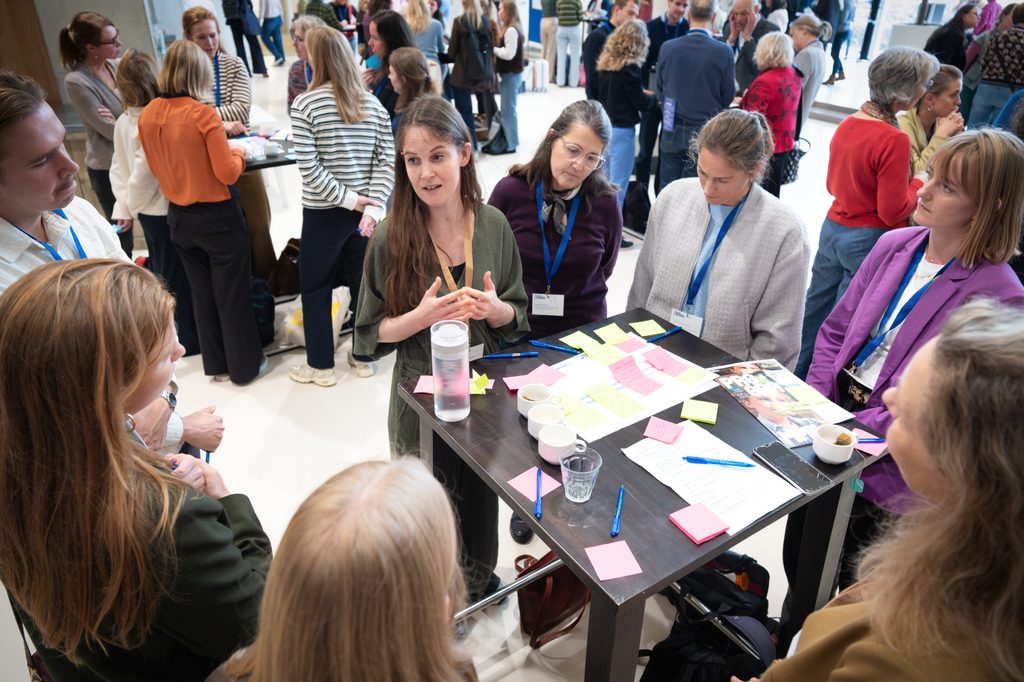
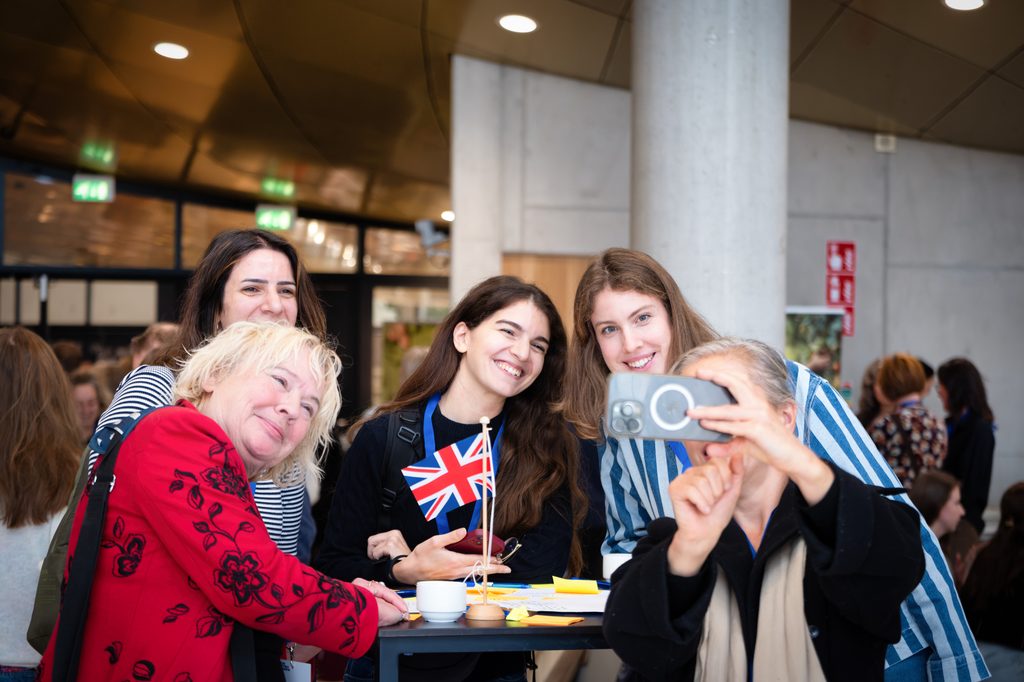
The symposium brought together researchers, educators, nutrition and food education specialists, and other professionals to share experiences and discuss how to encourage children’s interest in diverse foods and promote healthier, more sustainable eating habits. For the Daugavpils University team, the event provided an opportunity to explore international experience and practical approaches that could also complement activities implemented within the SchoolFood WasteSolutions project.
One of the main themes of the symposium was the SAPERE method – a sensory approach to food education that encourages children to explore food through sight, smell, touch, hearing and taste. It is based on children’s natural curiosity, hands-on experiences and opportunities to discover the different characteristics of food for themselves.
During SAPERE activities, children are encouraged to observe the appearance, smell and texture of food, compare different products, describe their sensory experiences and share their impressions. Voluntary participation is an essential principle – children are given the opportunity to explore unfamiliar foods without being pressured to taste them.
This approach is also highly relevant to school catering. Introducing new, nutritious dishes to school menus does not necessarily mean that pupils will be willing to choose and eat them. Unfamiliar ingredients, flavours or appearances can influence a child’s willingness to try a particular dish. Therefore, alongside improving school menus and recipes, it is important to help pupils discover new foods and develop a more positive attitude towards a varied diet.
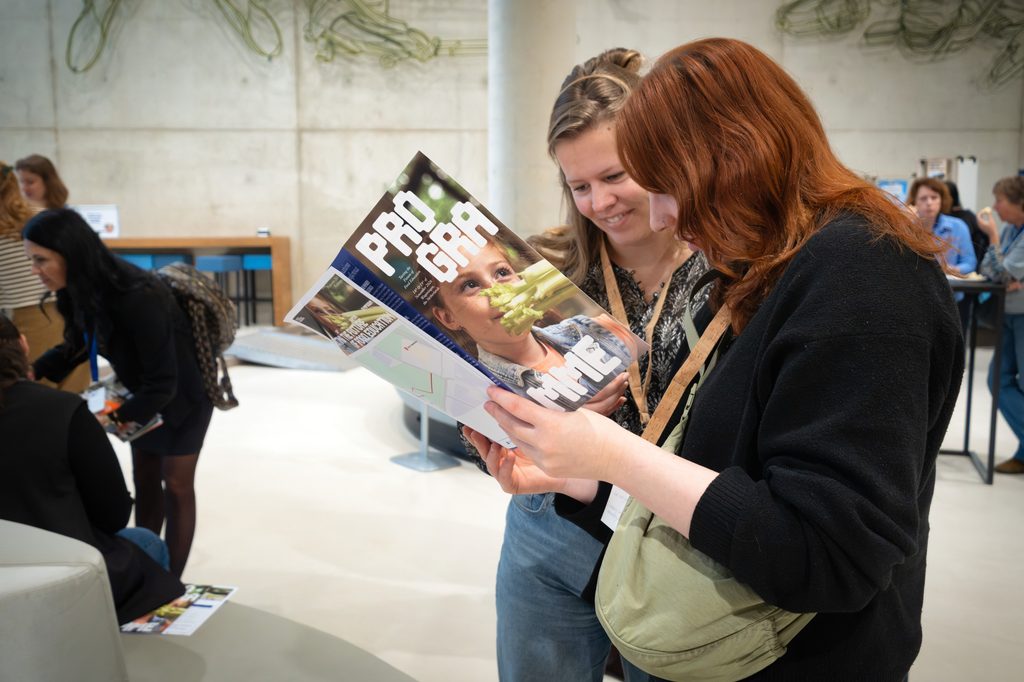
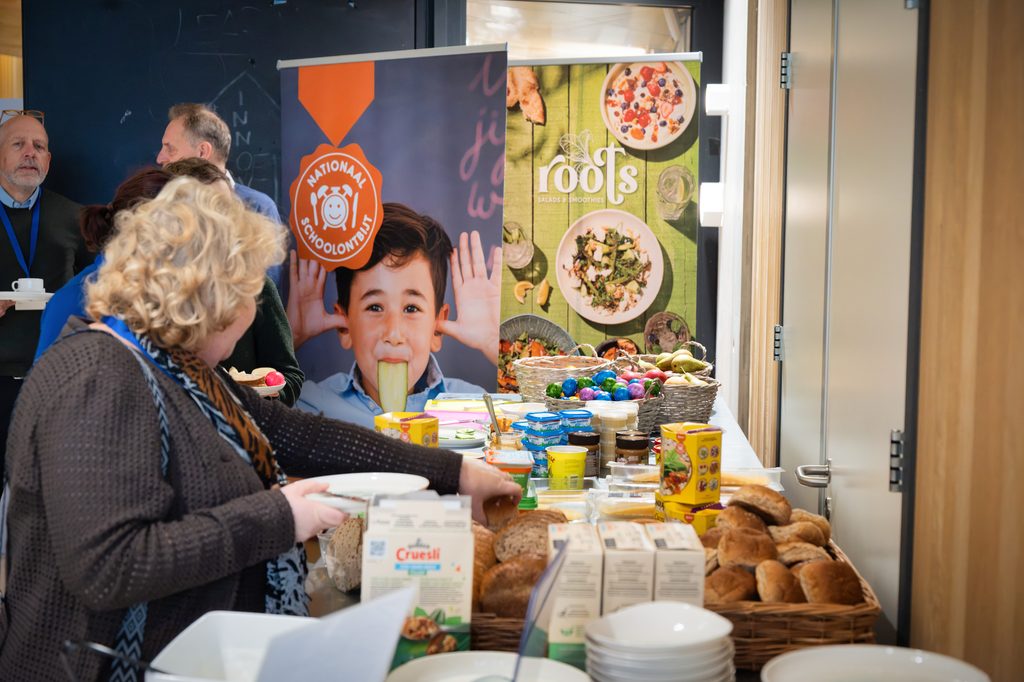
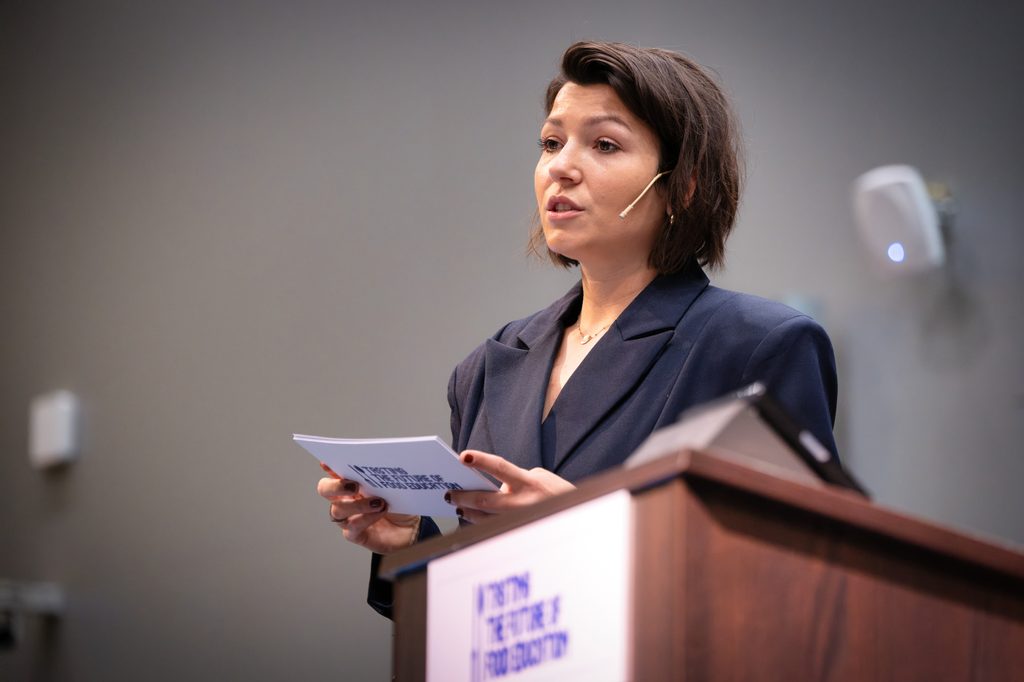
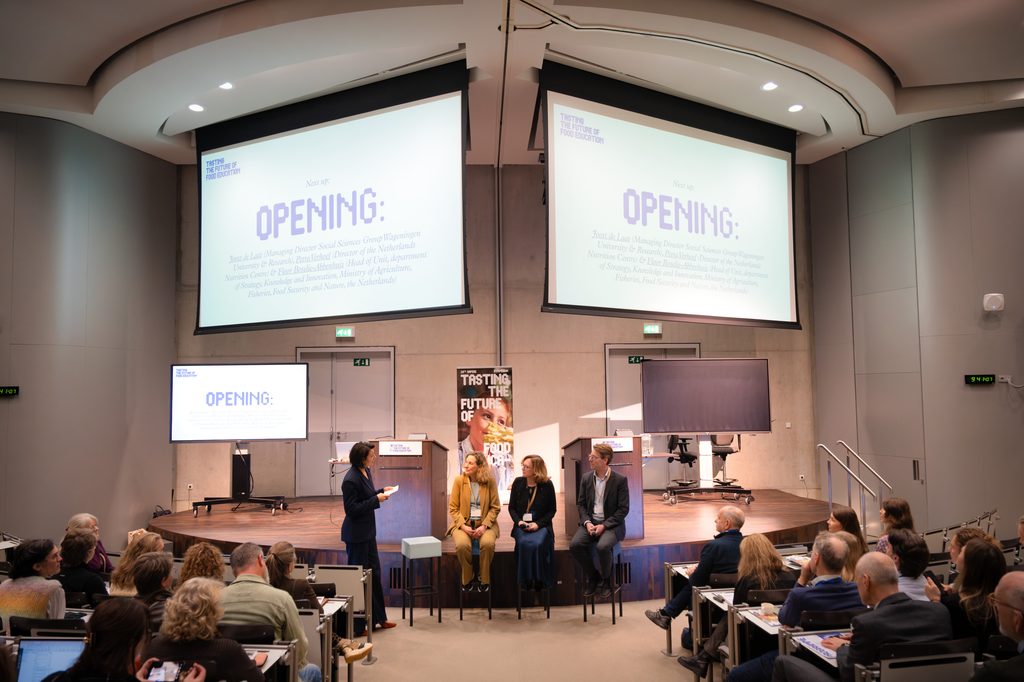
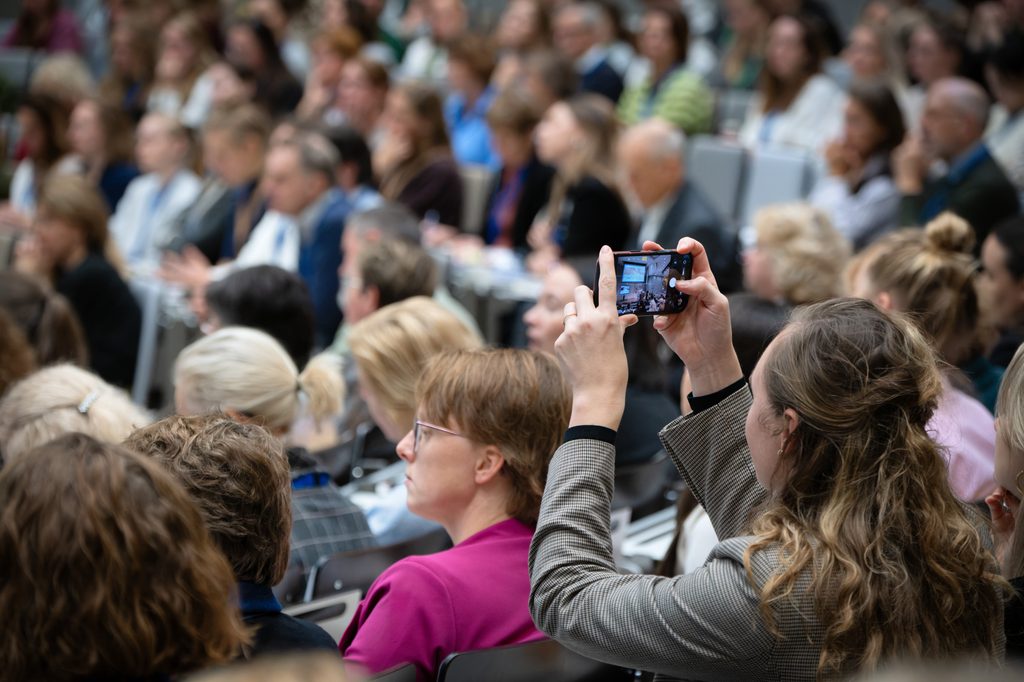
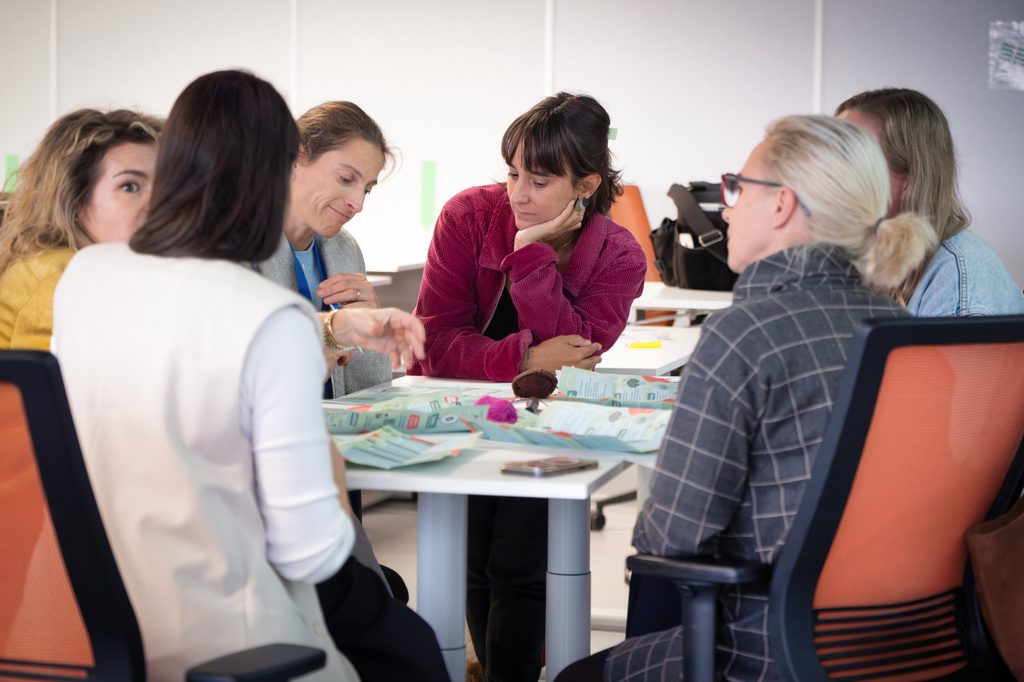
The symposium programme combined lectures, practical workshops and study visits, offering insights into different approaches to integrating food education into children’s everyday lives.
Daugavpils University representatives visited a local school to learn about food education practices in the Netherlands. They also visited a dairy farm that offers educational visits for children. These experiences demonstrated how food education can be connected to real-life activities, helping children better understand where food comes from, how it is produced and how it reaches our tables.
The symposium’s lectures and workshops explored the role of sensory experiences in food education, family eating habits and the factors influencing children’s attitudes towards food. Discussions also addressed how schools and families can work together to encourage children’s interest in unfamiliar foods and healthier eating.
One of the main objectives of the SchoolFood WasteSolutions project is to improve the quality of school meals and reduce food waste. In the project’s pilot schools in Latvia and Estonia, new recipes are being tested, menus are being improved, and buffet-style meal service is being introduced to give pupils greater opportunities to participate in choosing their meals.
However, providing high-quality, nutritious food does not always result in empty plates. When pupils are unfamiliar with certain flavours or ingredients, they may be reluctant to choose or taste them. Reducing food waste therefore requires attention not only to menu development and meal service organisation, but also to children’s eating habits and attitudes towards food.
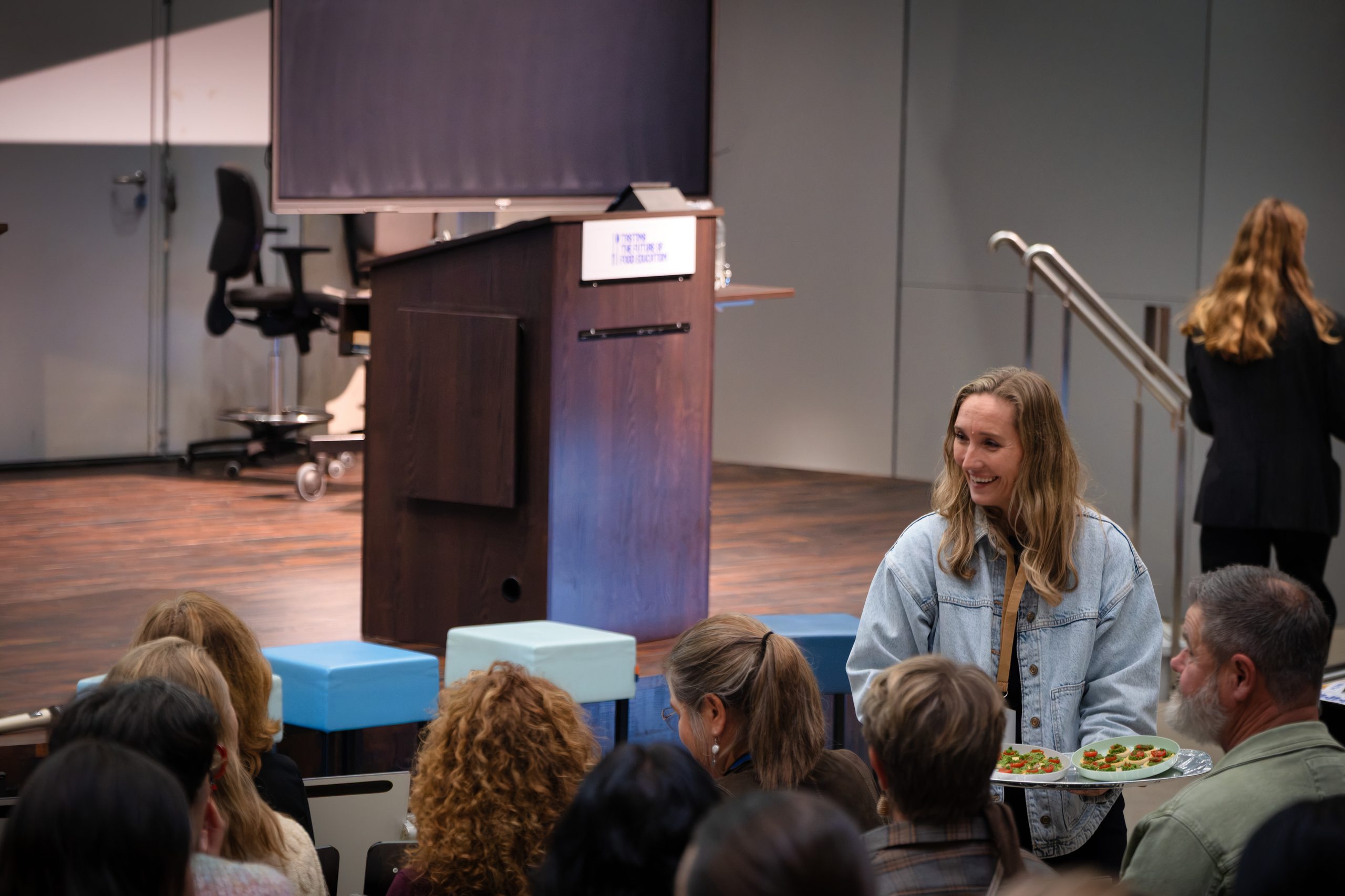
The SAPERE approach explored in the Netherlands offers additional opportunities for working with pupils, encouraging them to discover unfamiliar foods and flavours without pressure. This experience may be useful when planning educational activities within the project and exploring ways to increase pupils’ interest in new dishes tested in the pilot schools.
At the same time, the knowledge gained at the symposium about children’s eating habits and the factors influencing food choices provides a broader perspective on the challenges of school catering. These insights complement the project’s ongoing work to develop recipes that appeal to pupils, encourage healthier food choices and reduce food waste.
Participation in the symposium gave the Daugavpils University team an opportunity to learn from international experience, exchange ideas and gain valuable insights for further cooperation with project partners and pilot schools.
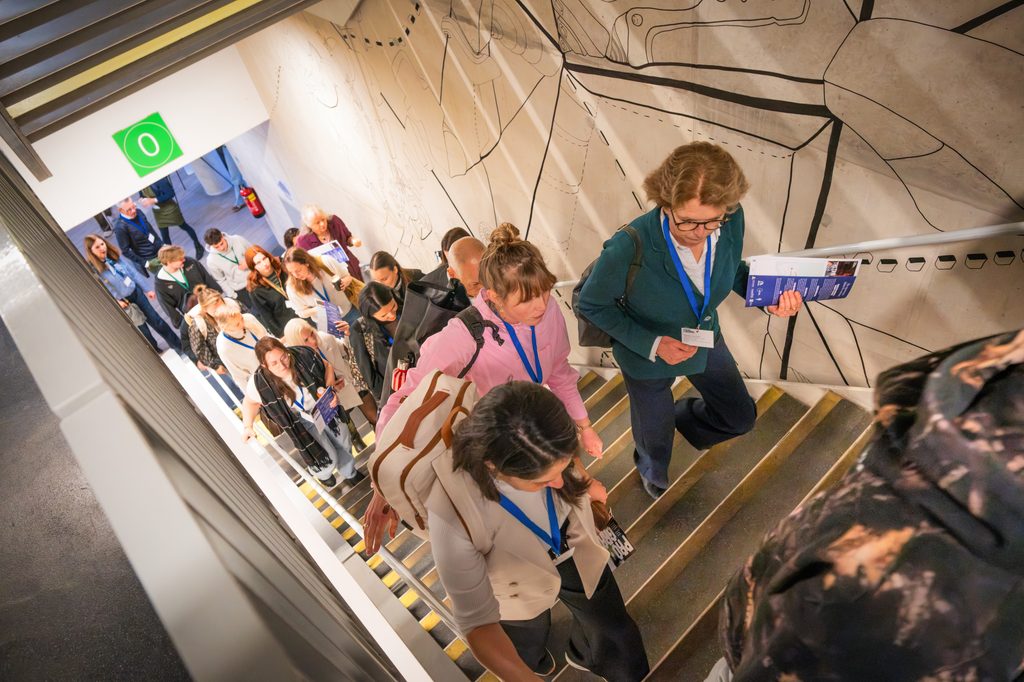
Sustainable school catering begins not only in the kitchen, but also with children’s attitudes towards food. By helping pupils explore new flavours and better understand their food choices, it is possible to create more favourable conditions for developing healthier eating habits and reducing food waste.
SchoolFood WasteSolutions (No. CB0600301) is co-funded by the European Union through the Interreg Central Baltic Programme 2021–2027. The project aims to improve the quality of school meals and reduce food waste by introducing practical solutions in pilot schools in Latvia and Estonia.
Further information:
Contact Information:
Rita Ivanova
Daugavpils University
Senior Project Manager
Email: rita.ivanova@du.lv
Phone: 29857838
This article has been produced with the financial support of the European Union. Daugavpils University is solely responsible for its content, which does not necessarily reflect the official position of the European Union.


