.svg)


On September 25, 2026, Daugavpils University hosted the “European Researchers’ Night 2026” activities, which attracted approximately 2,900 attendees.
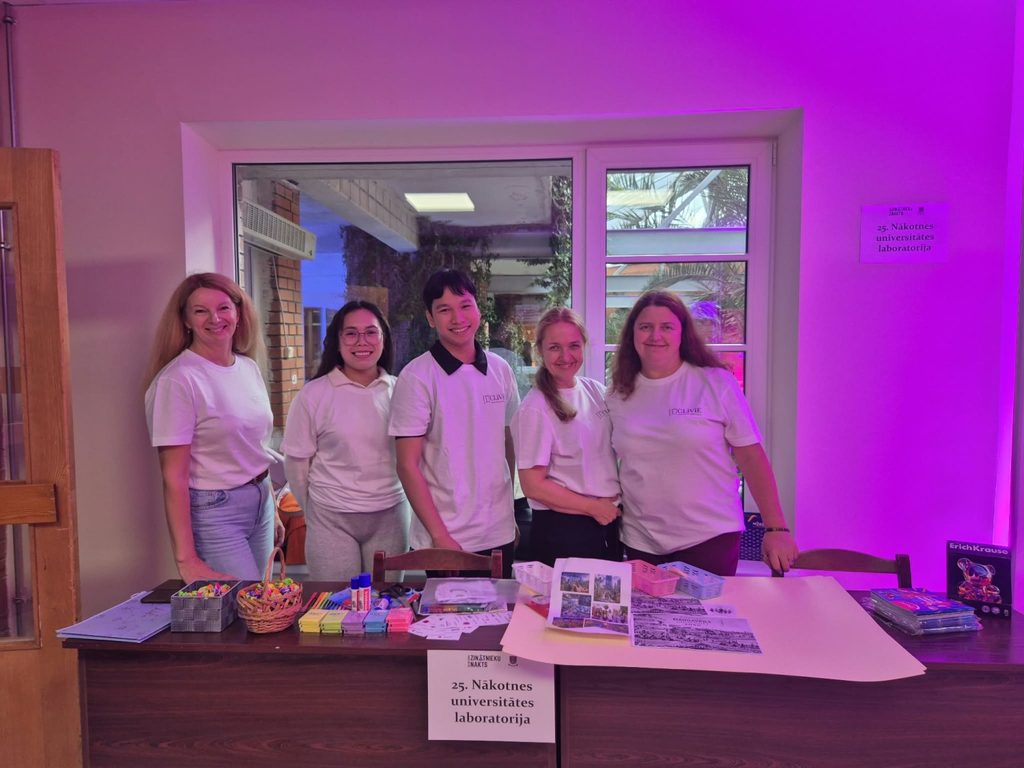
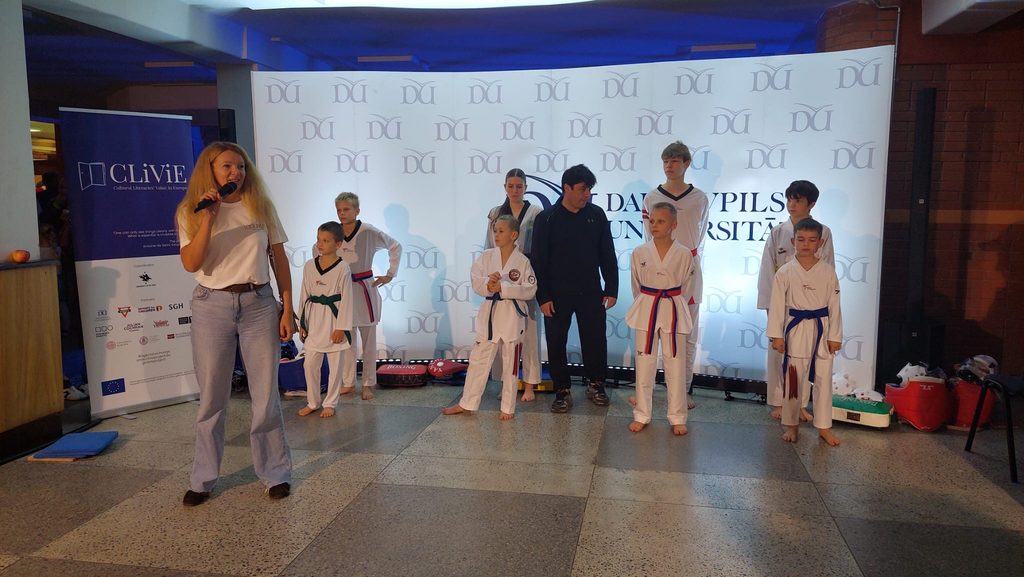
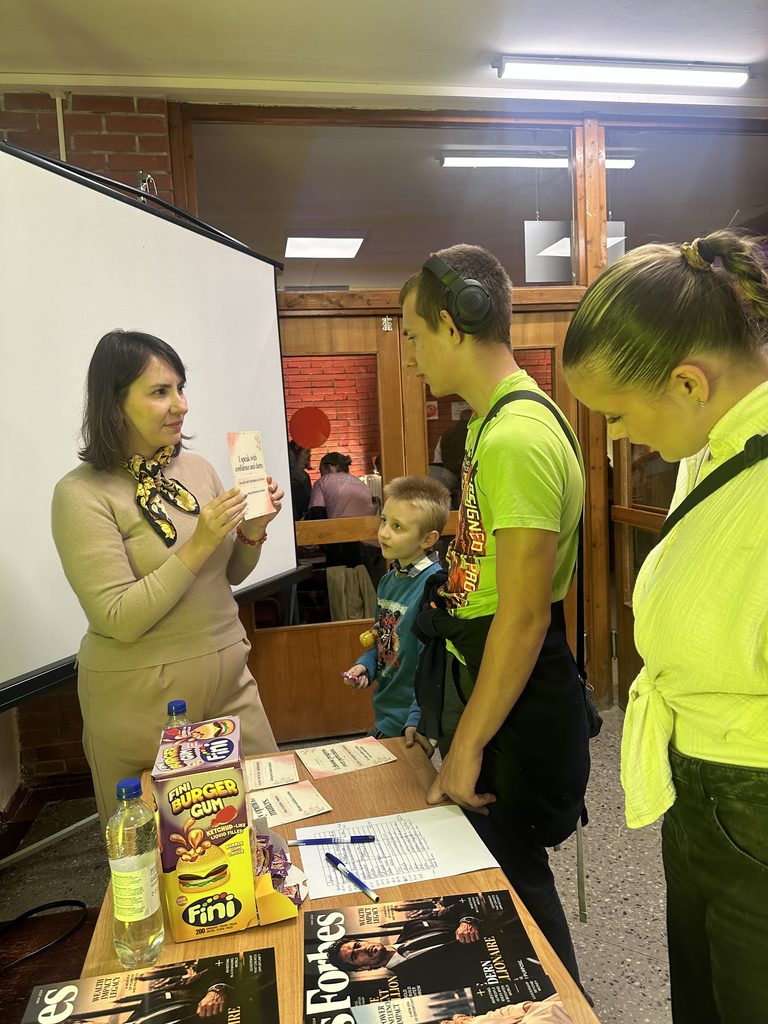
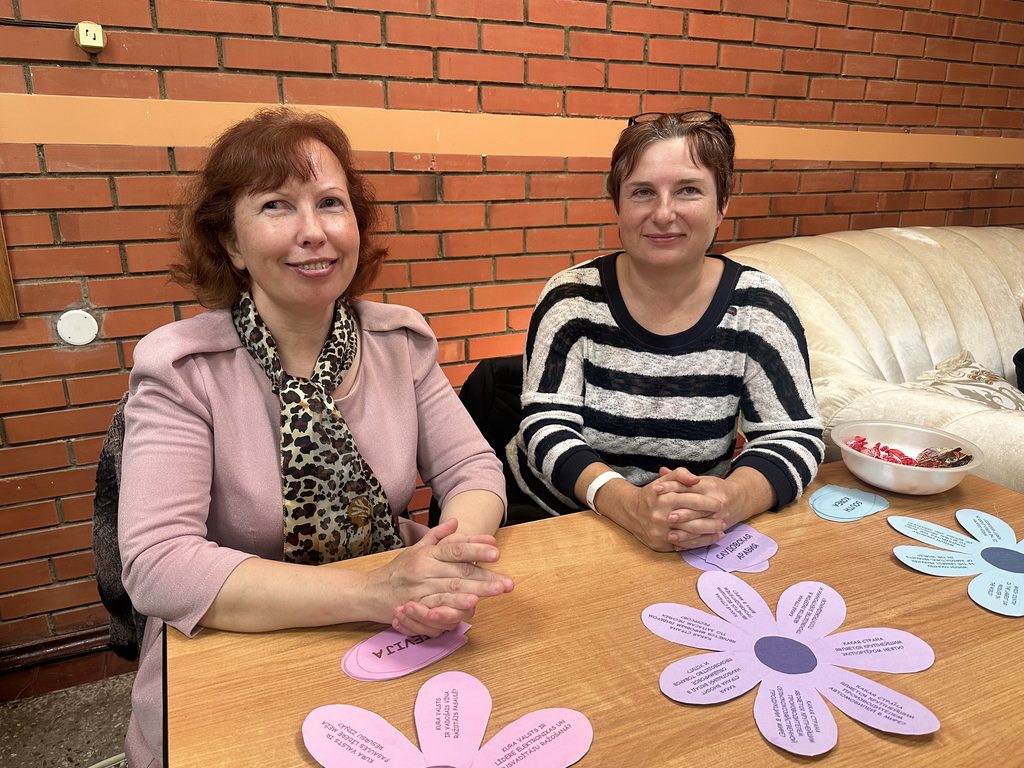
The Horizon Europe project “Cultural Literacy Value in Europe” (CLiViE, No. 101132285) was represented by five activities: 1) the dynamic show “Eastern Martial Arts: Strength and Harmony,” which introduced the audience to movement mastery, discipline, and traditions of respect; 2) the activity “Martial Arts for Development: The Taekwondo Path to Health, Discipline and Character,” during which visitors were introduced to World Taekwondo (WT) as a sport and explored its role in developing health, discipline, character, reaction speed, and balance; 3) the activity “The Samurai Way Today: Discipline and Personal Development,” which explored the history and philosophy of traditional Japanese martial arts, as well as the equipment used in these practices; 4) the creative co-creation workshop “The University of the Future Laboratory,” which invited children, young people, and other visitors to become co-creators of the university of the future; 5) the travelling CLiViE pop-up exhibition “Art That Transforms: Experiences from Seven Countries,” presenting examples of arts-based education, research findings, and personal stories from seven European countries. The CLiViE activities at Researchers’ Night were prepared and implemented by the project researchers: assistant professor Irina Presņakova, professor Dzintra Iliško, and associate professor and lead researcher Alīna Romanovska.
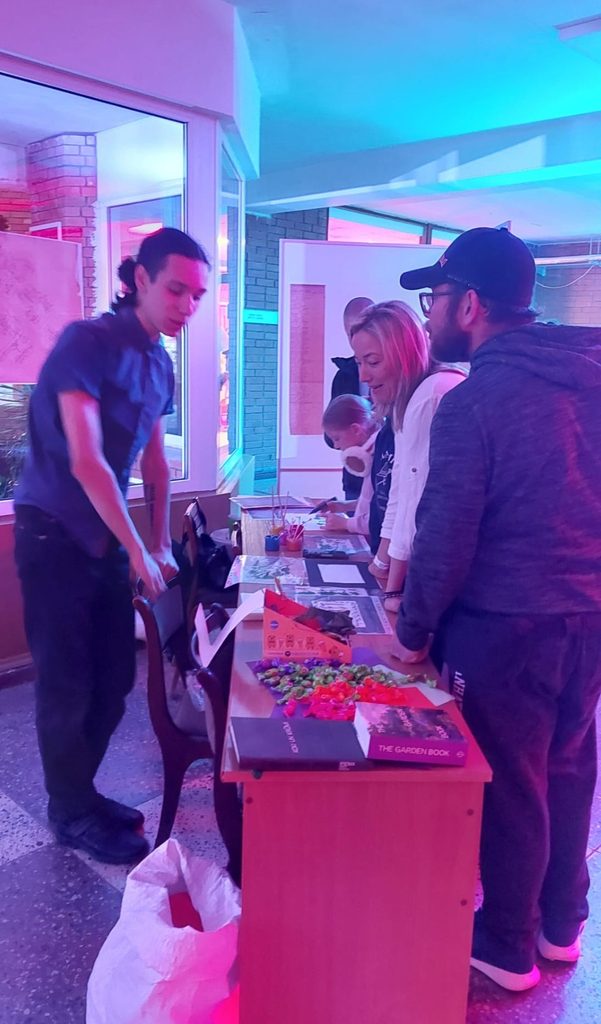
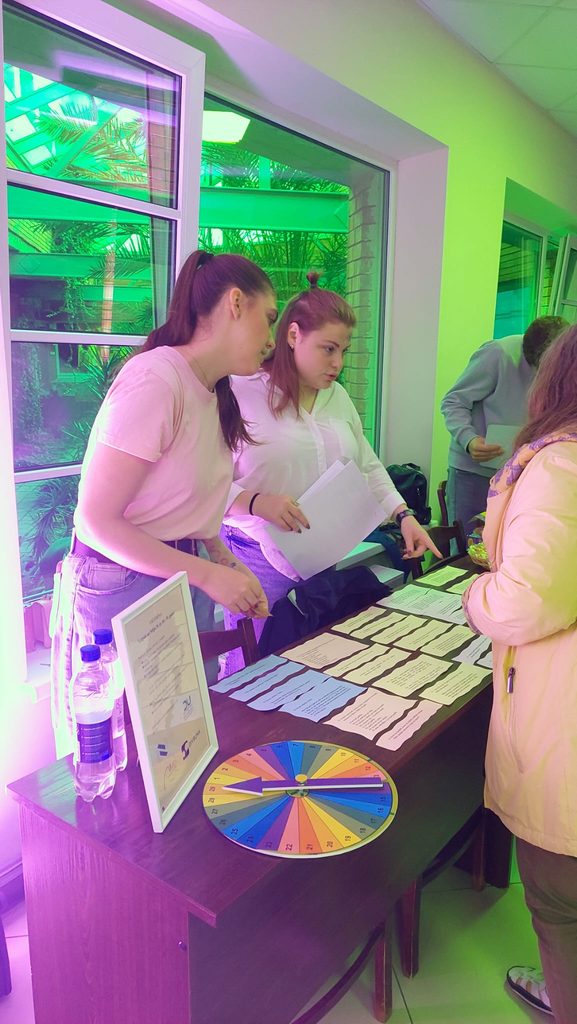
Visitors to Researchers’ Night took part in the quiz “From Bosquet to Avenue.” By identifying woody plant species based on plant parts, participants had the opportunity to gain a better understanding of the components of the flora of cultural landscapes. The activity also tested their knowledge of cultural history and botany. Younger visitors could create their own parterre design based on 19th-century sketches. They were also invited to draw an element of a historical park of their choice: a bosquet or an avenue. The activity was led by Marika Kuciņa, a doctoral student in the History and Archaeology doctoral study programme, and Jaroslavs Nothafts-Ščerbakovs, a student of the bachelor’s study programme “History.” They encouraged participants to take part in the quiz by sharing information about historical gardens and asking them to identify plant species based on descriptions, as well as determine their suitability for particular plantings and their practical uses. The quiz had an educational purpose: to introduce participants to historical parks and encourage interest among the residents of Daugavpils in the natural and cultural heritage values of the landscape. Introducing visitors to historical plantings and their components encouraged them to look at the urban environment from a different perspective, recognising both similarities and differences between historical and contemporary plantings. In preparing the quiz, the activity leaders used comparative and descriptive research methods in their analysis of historical sources. The insights gained into visitors’ interests and knowledge can be used in the future to promote research on cultural landscape heritage. The activity was organised within the framework of Daugavpils University research project No. 14-95/2026/11, “Interdisciplinary and Diversity in Contemporary Research in the Humanities II.” The project is led by Professor and Lead Researcher Anita Stašulāne.
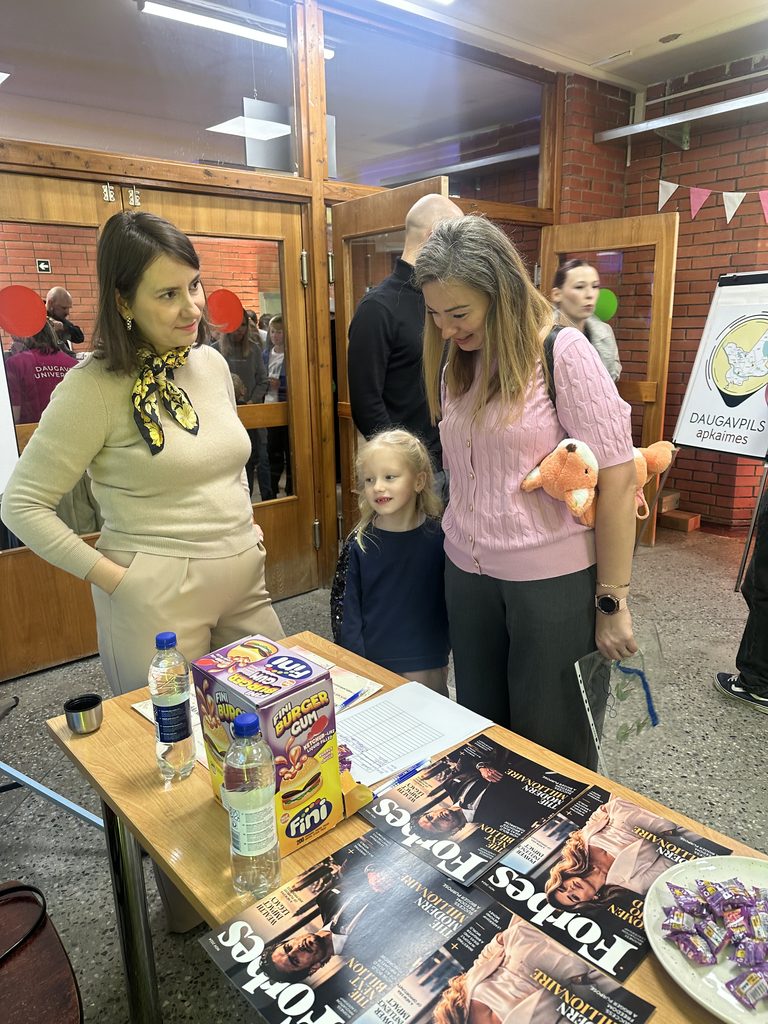
Lead researcher Vera Komarova and PhD student Marta Bižāne presented a series of activities entitled “I Am a Millionaire,” inviting visitors to step into the role of a millionaire while developing their business English knowledge and skills.
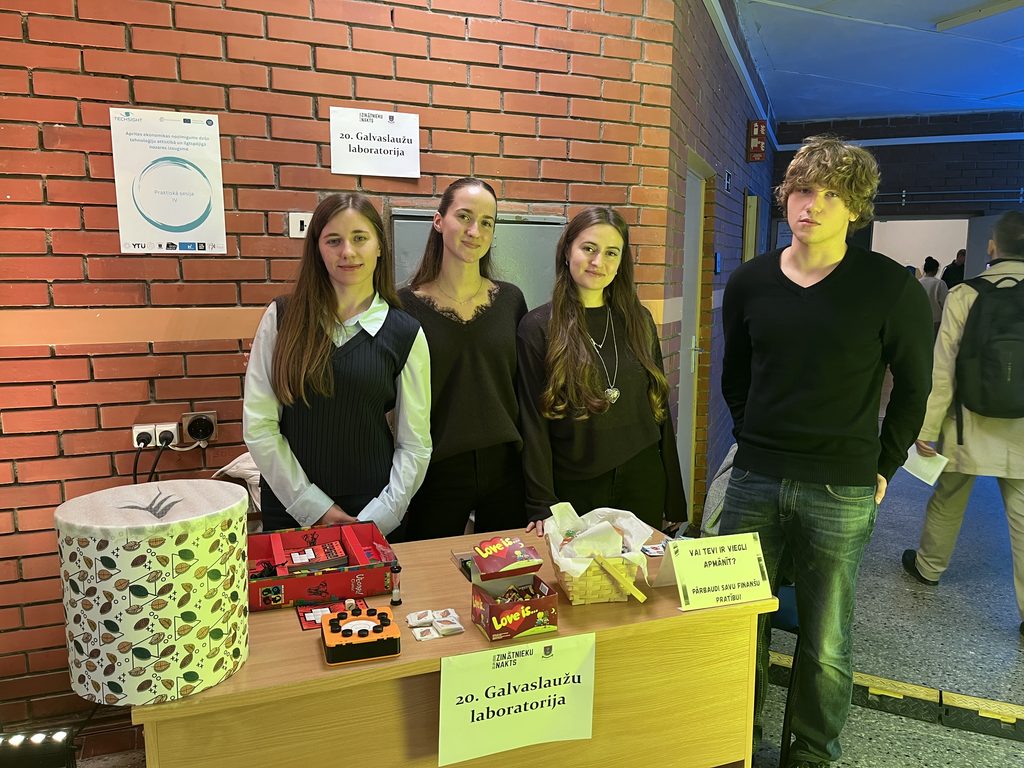
Researcher Oksana Ruža invited Researchers’ Night participants to take part in the “Brain Teaser Laboratory.” In this interactive activity, participants solved various logic puzzles, challenges, and brain games. Visitors developed their analytical thinking, creativity, and teamwork skills while finding solutions to engaging challenges.
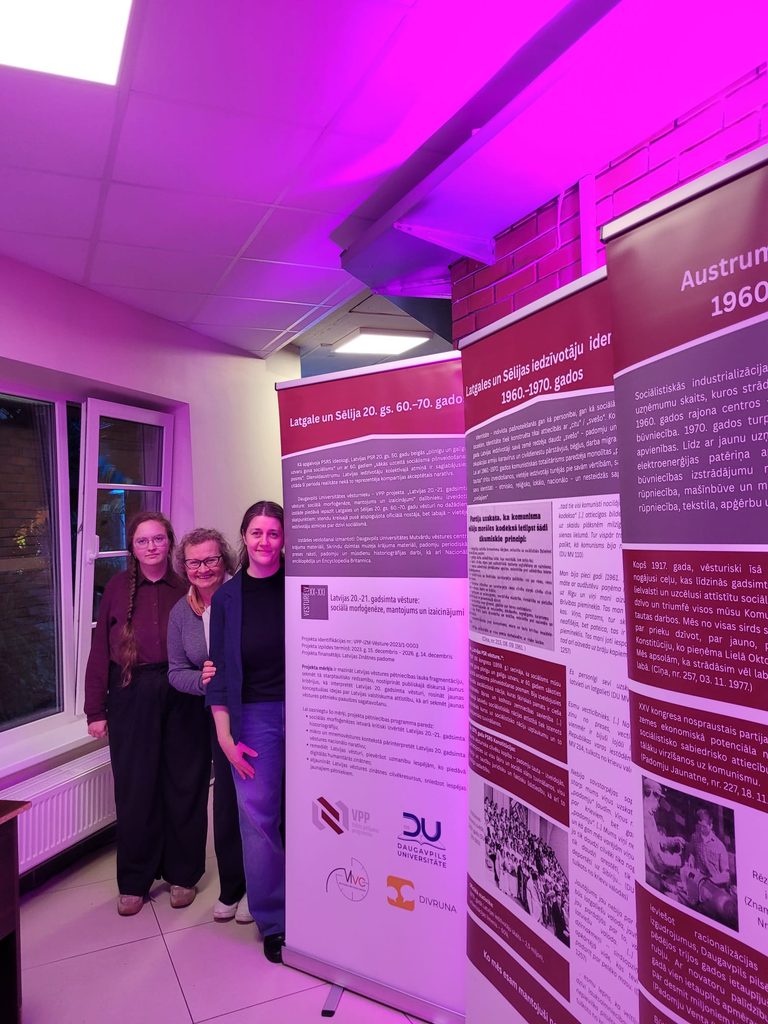
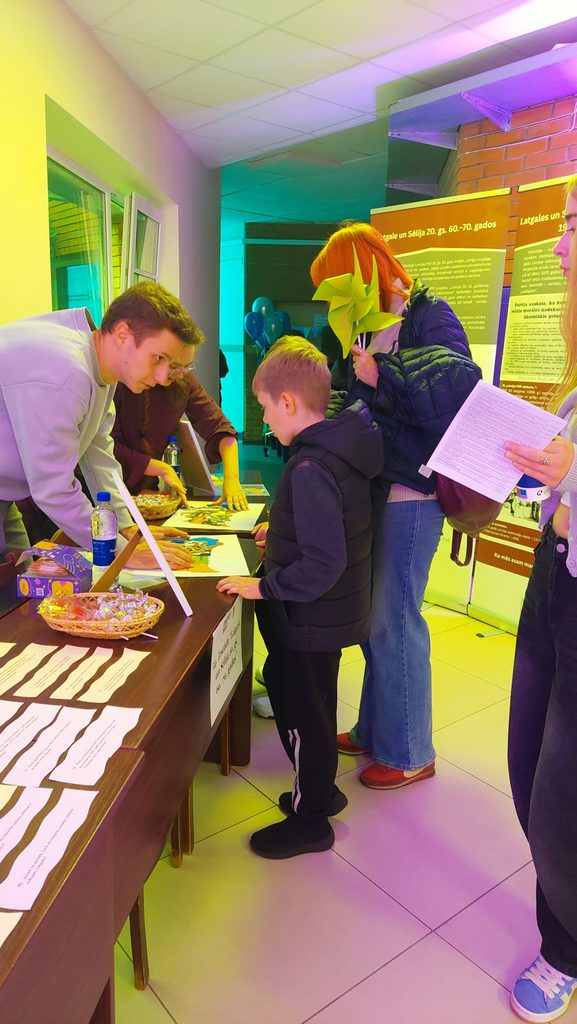
Researchers from the National Research Programme project “The History of Latvia in the 20th–21st Centuries: Social Morphogenesis, Heritage and Challenges” (Project No. VPP-IZM-Vesture-2023/1-0003) ‑ professor Irēna Saleniece, assitant professor Maija Grizāne, and doctoral student Laima Grišule ‑ presented the travelling exhibition “Latgale and Sēlija in the 1960s–1970s.” Visitors had the opportunity to gain insight into the everyday lives of local residents, the development of agriculture and industry, and to reflect on questions of identity and perceptions of the world. Students of the “History” study programme ‑ Lāsma Aiga Lasmane, Baiba Lagzdiņa, and Ivo Bikuļčs ‑ helped organise engaging games about Latvian history for both young and adult visitors.
Researchers Evita Badina and Žans Badins, together with PhD student Ģirts Vikmanis, presented the activity “Fact or Fabrication? Field Research in the Soviet Press.” Visitors were presented with both genuine and fictionalised news reports from Soviet newspapers. By identifying which examples were authentic, participants learned to recognise the features researchers use to determine the authenticity of a source.
More information:
Professor and leading researcher at IHSS Anita Stašulāne
email: anita.stasulane@du.lv
Leading researcher at IHSS Oksana Kovzele
email: oksana.kovzele@du.lv
he project has received funding from the European Union’s “Horizon Europe” Research and Innovation programme under the grant agreement No. 101132285.