.svg)


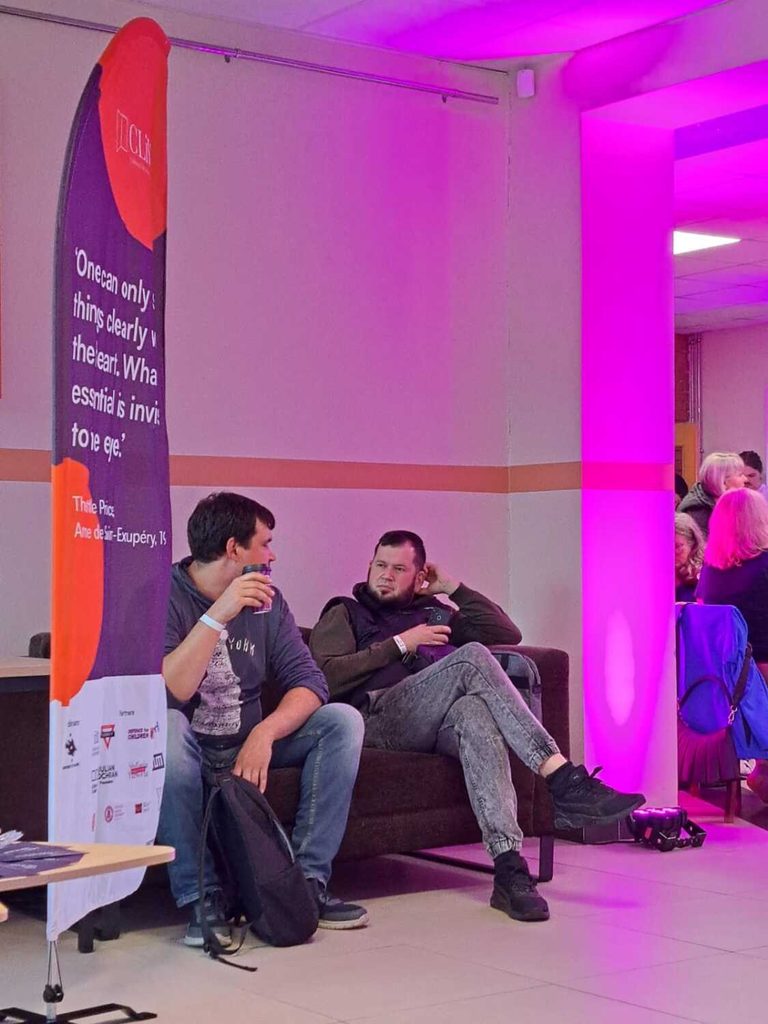
The Horizon Europe project Cultural Literacies’ Value in Europe (CLiViE) featured prominently at this year’s Researchers’ Night at Daugavpils University, with five diverse activities. They invited visitors to engage with research, arts-based education and different cultural experiences, while also encouraging active participation, opportunities to try new skills and the collective imagining of possible futures.
Researchers’ Night at Daugavpils University attracted approximately 2900 visitors on 25 September, and the CLiViE activities also generated considerable interest. Visitors watched demonstrations, asked questions, shared a memorable art-related experience, tried basic martial arts techniques, explored the project’s research findings and creatively expressed their visions for the university of the future. Each of the five activities highlighted a different aspect of cultural literacy, cooperation and participation.
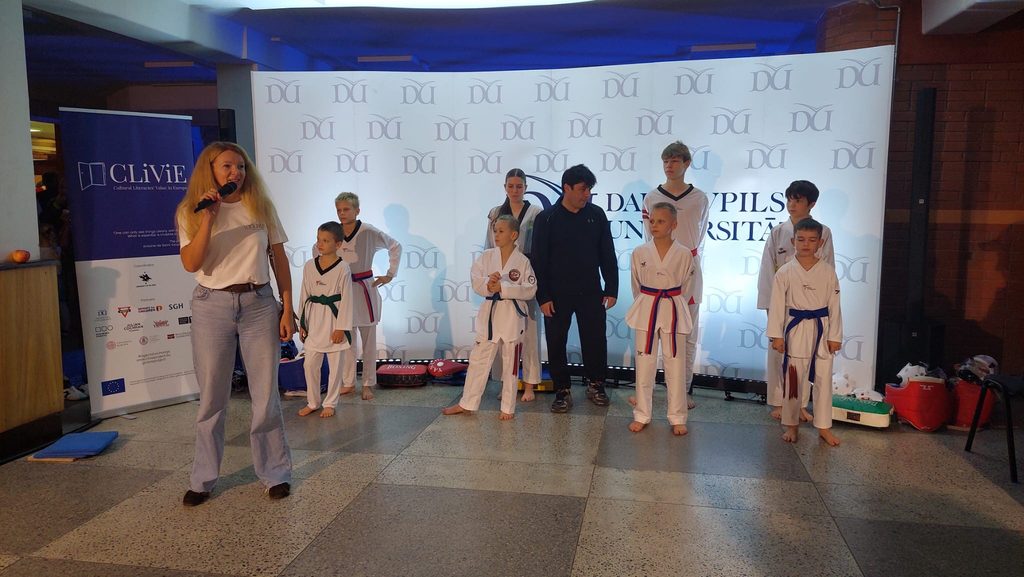
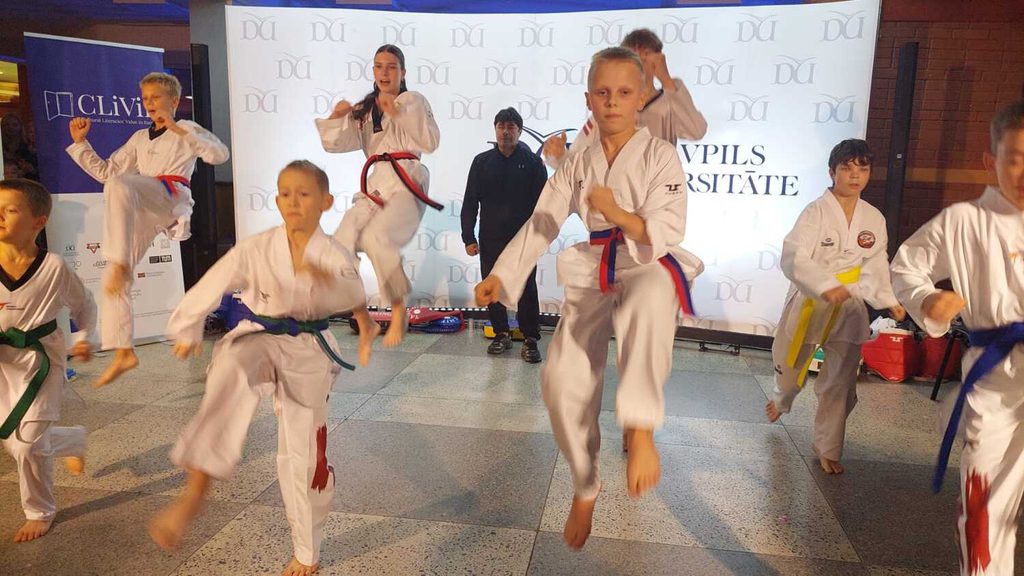
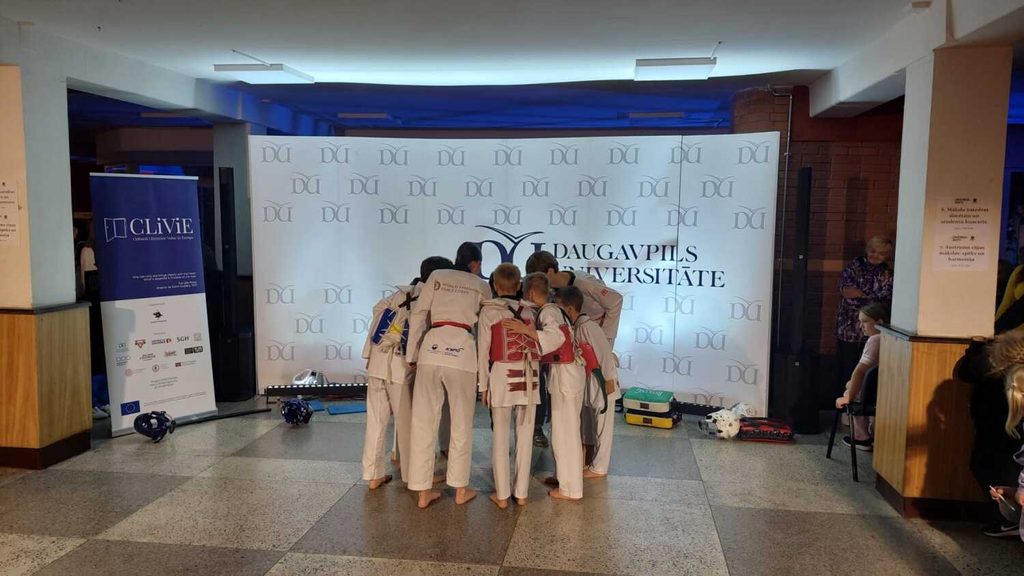
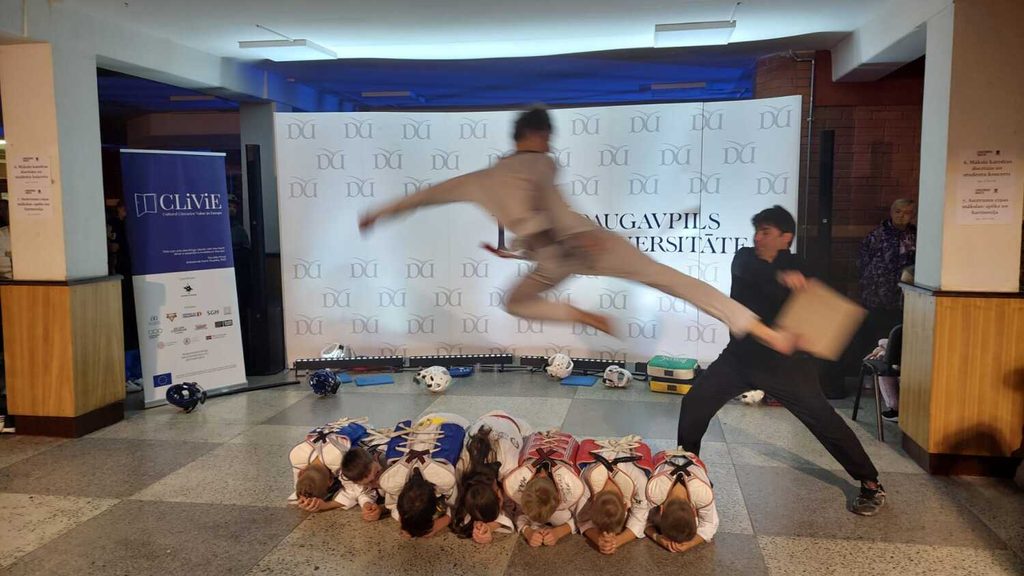
Eastern Martial Arts: Strength and Harmony. This dynamic performance introduced audiences to mastery of movement, discipline and traditions of respect. It presented martial arts not only as physical activity, but also as a cultural practice in which technical precision and strength are closely connected with self-control, responsibility and respect for others.
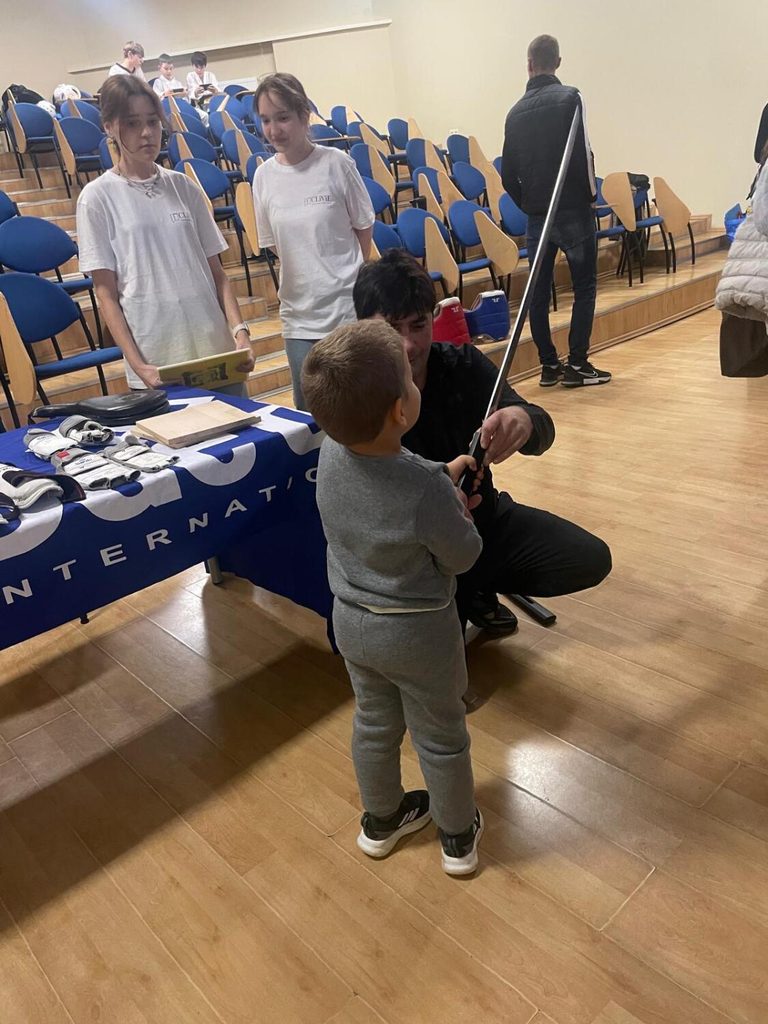
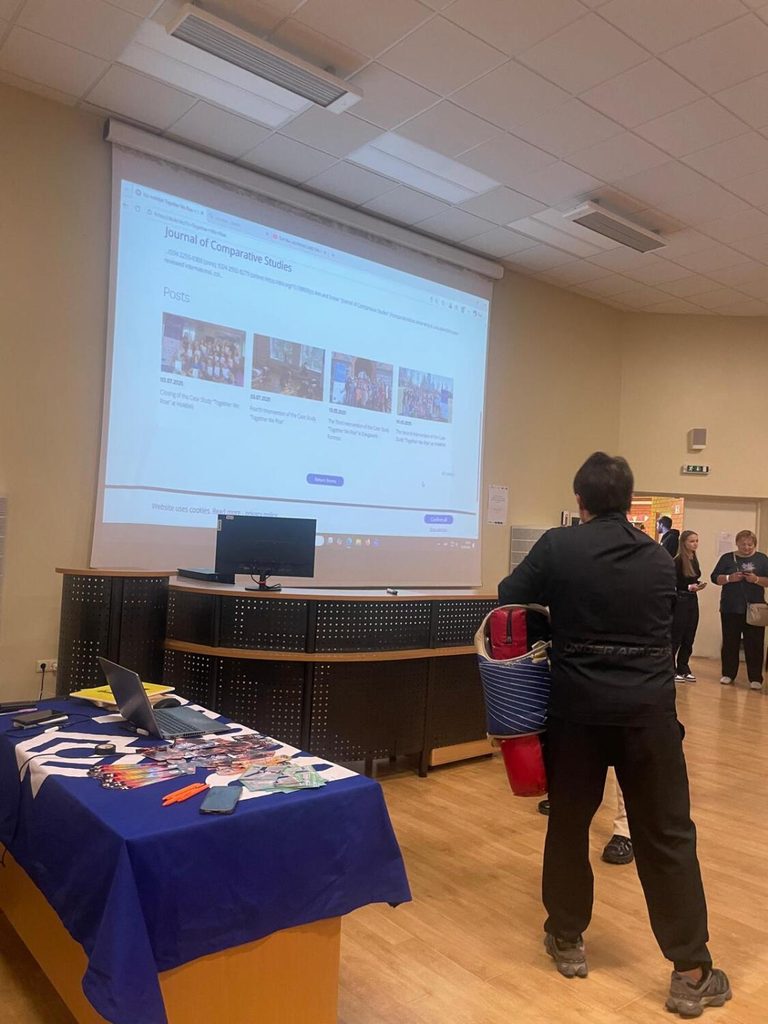
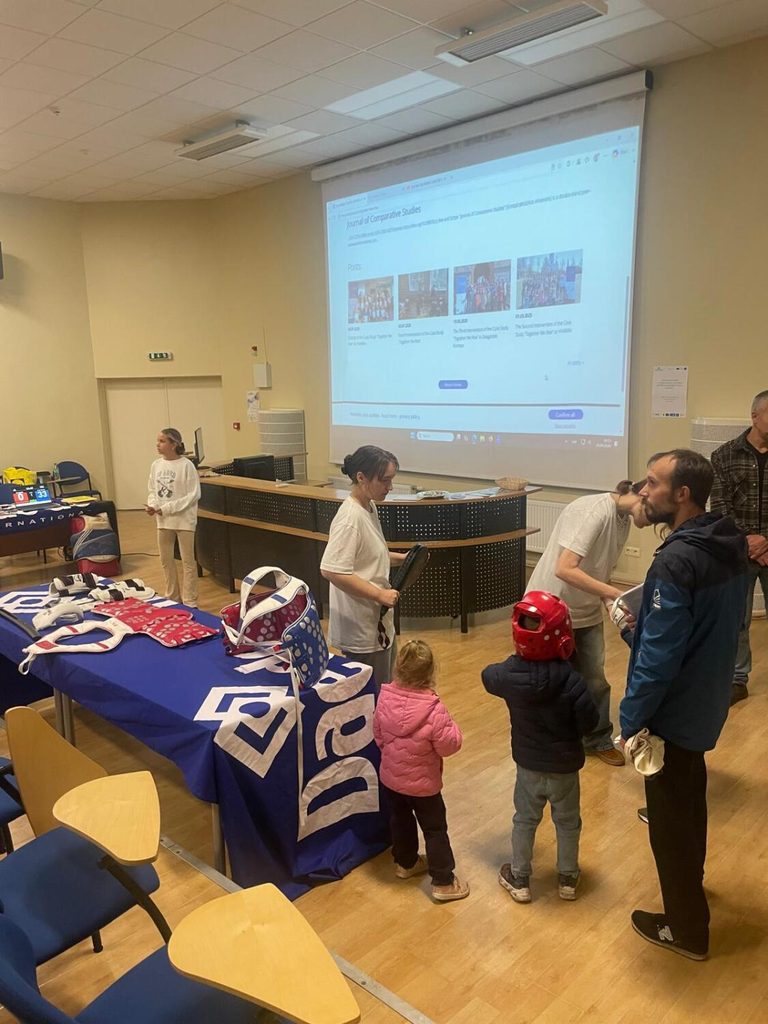
Martial Arts that Develop: Taekwondo as a Path to Health, Discipline and Character. Visitors were introduced to World Taekwondo (WT) and its contribution to health, discipline, character, reaction speed and balance. The opportunity to examine taekwondo equipment, try electronic protective gear and test kicking power attracted particular interest. This hands-on experience also helped visitors understand the role of contemporary technology in martial arts and the assessment of athletic performance.
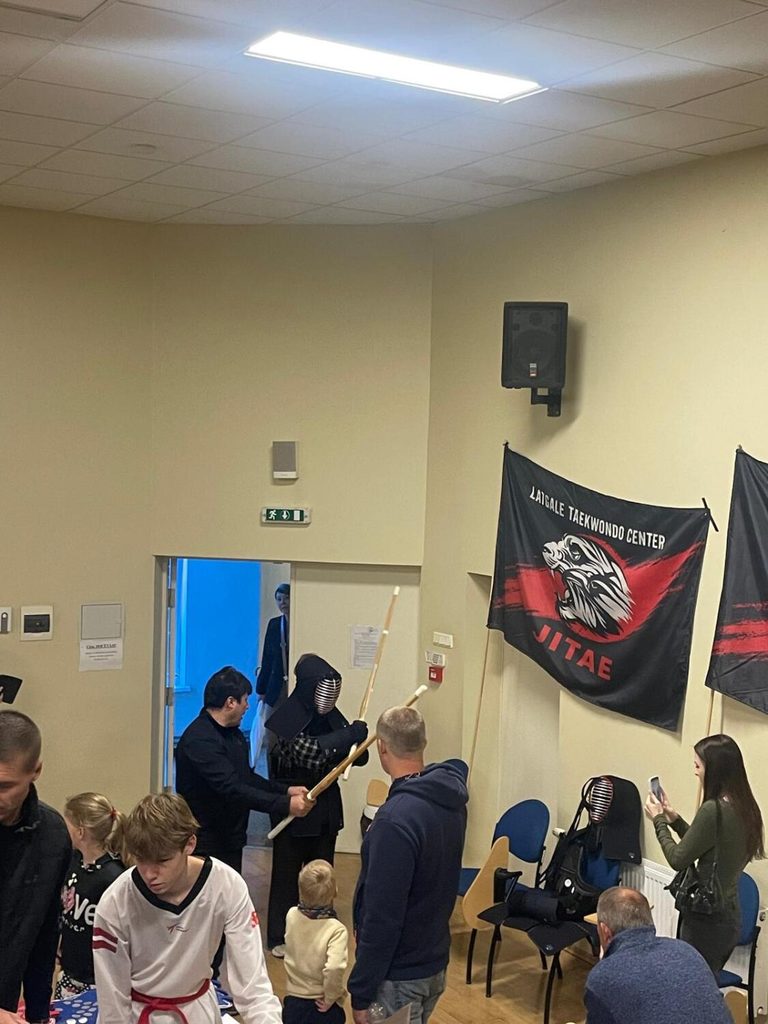
The Way of the Samurai Today: Discipline and Human Development. This activity explored the history, philosophy and equipment of the traditional Japanese martial art of kendo. Visitors examined kendo equipment and, under the guidance of experienced instructors, safely tried some of its basic techniques. The experience showed how concentration, biomechanics and psychological resilience influence a kendo practitioner’s performance. It also encouraged participants to consider martial arts as a path towards character development, self-discipline and inner balance.
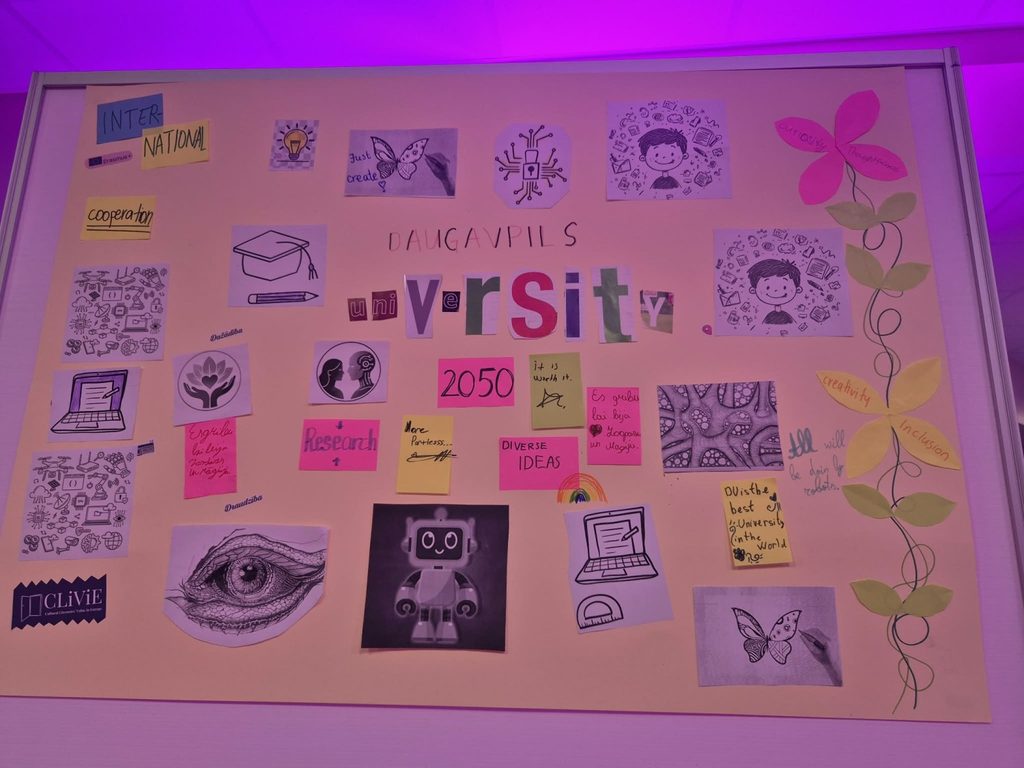
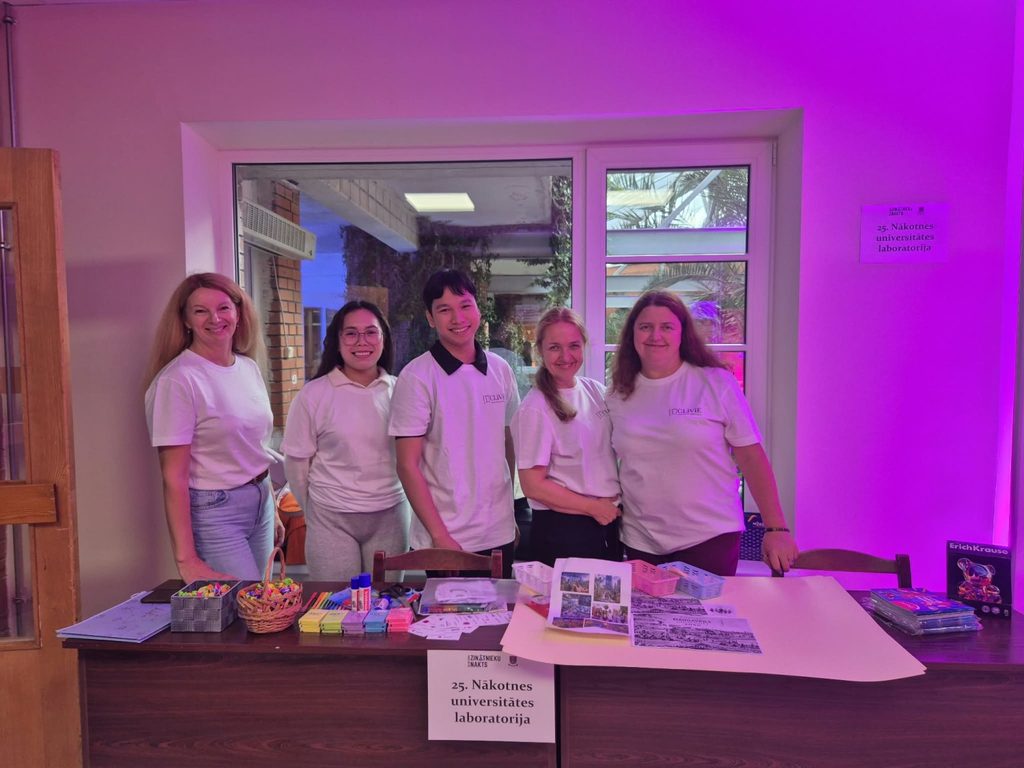
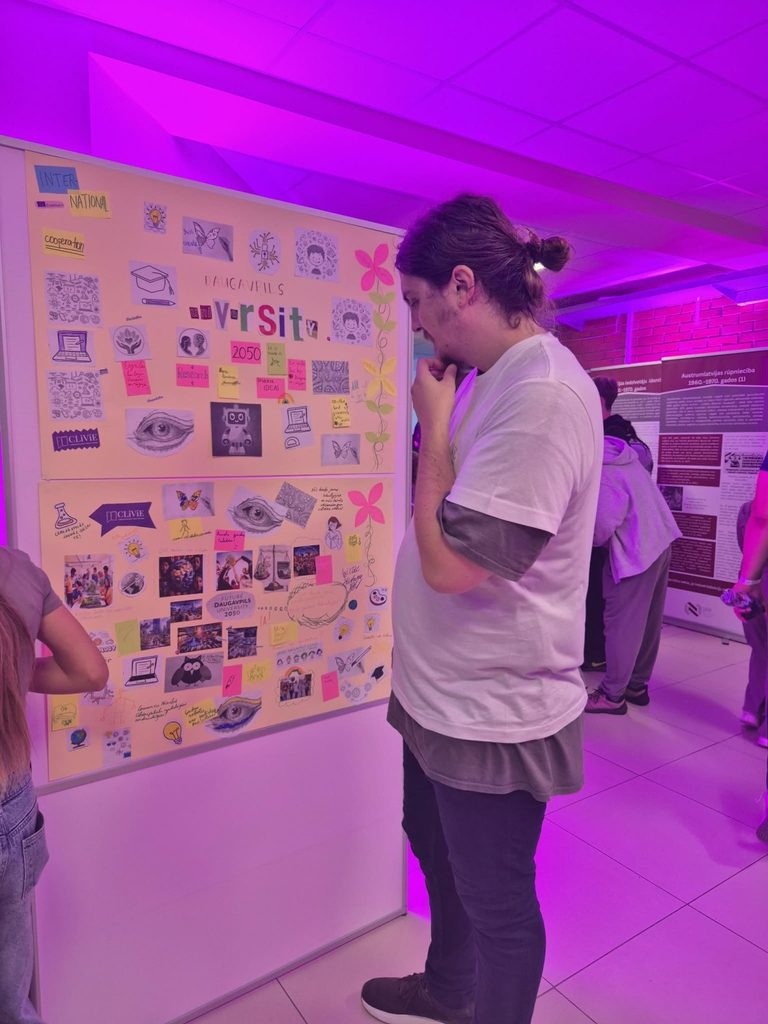
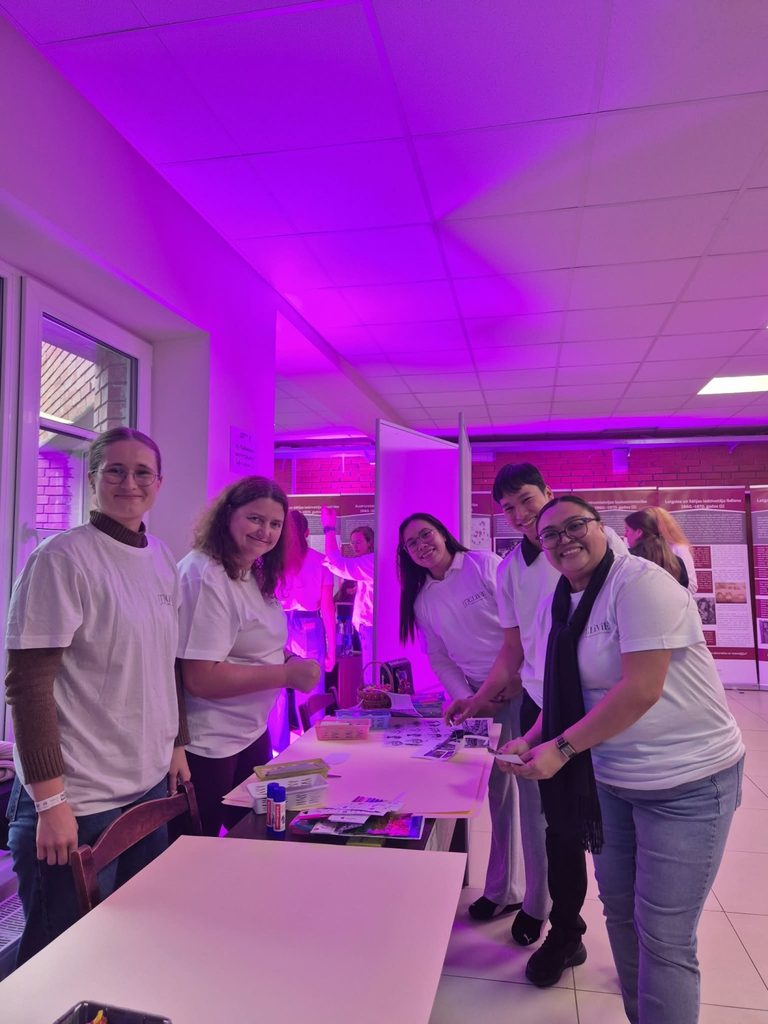
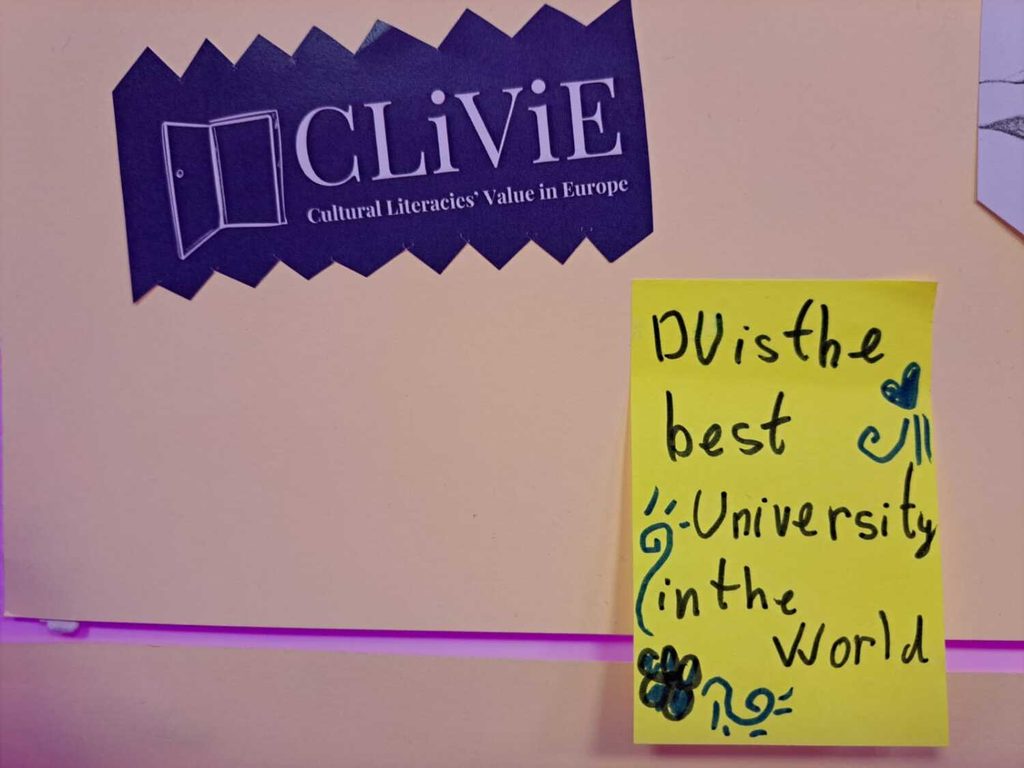
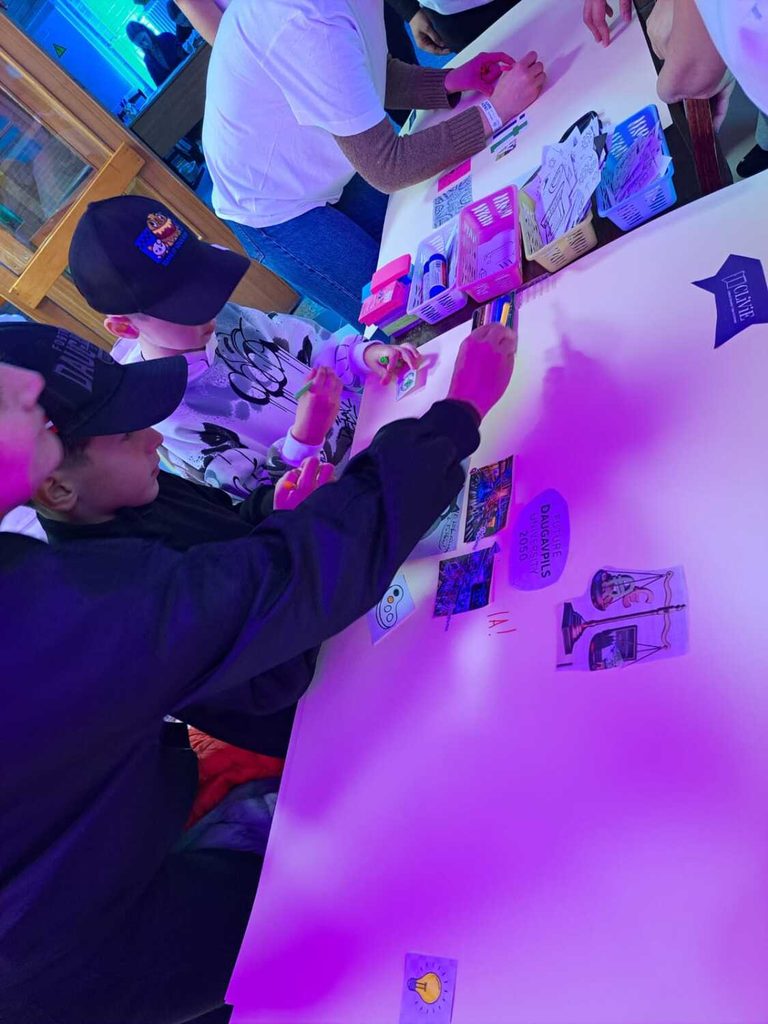
Future University Laboratory. In this creative co-creation workshop, children, young people and other Researchers’ Night visitors became co-authors of the university of the future. Through drawing, collage, model-making and other forms of creative expression, participants imagined Daugavpils University in 20, 50 or even 100 years. The workshop centred on one question: what kind of university do we want to create for future generations?
The participants’ work brought together science, technology, art, nature, sustainability and care for people. Their ideas portrayed the university not only as a place of advanced technology and knowledge, but also as an open and inclusive environment for dialogue, experimentation and collaboration. Co-creation enabled visitors to move from the role of observers to active creators of future scenarios, demonstrating that the university of the future begins with our ability to imagine it today.
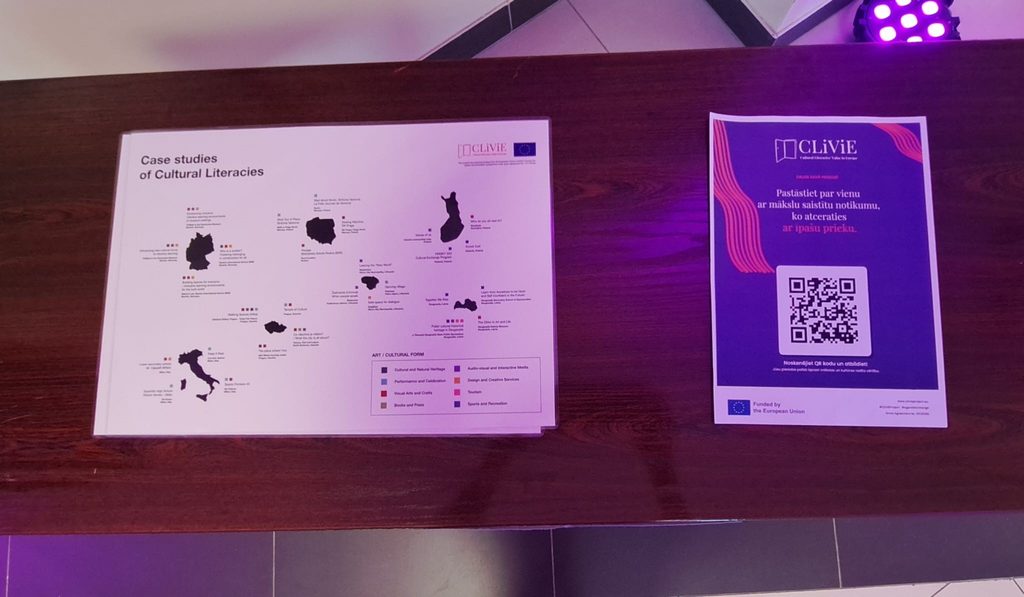
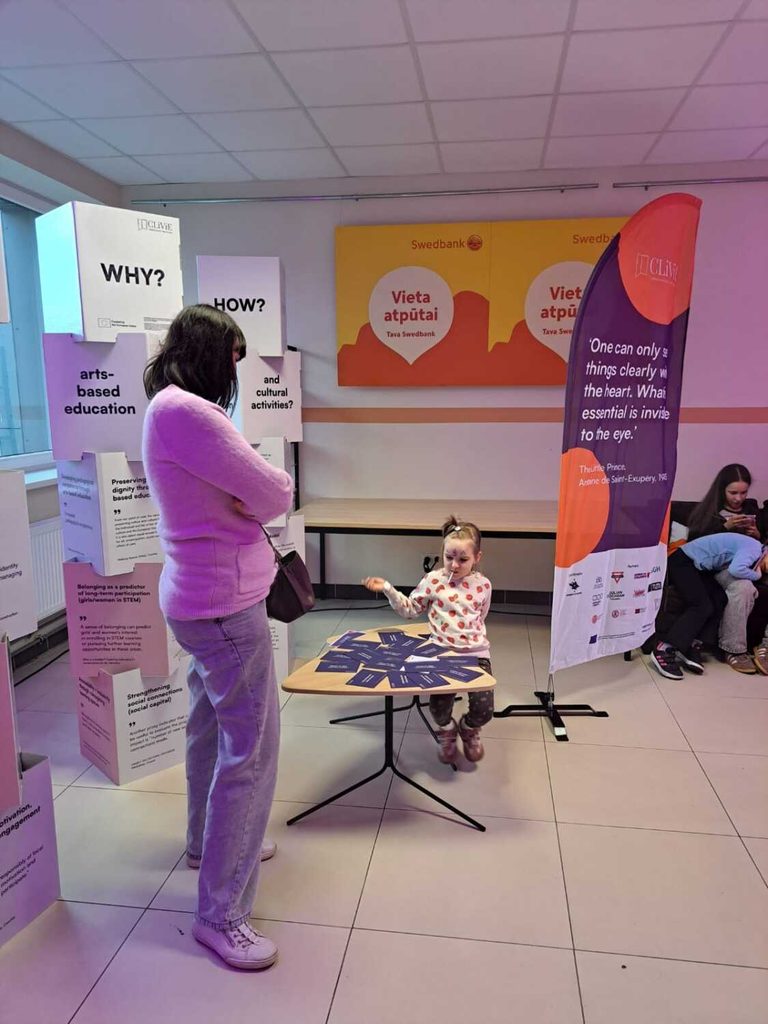
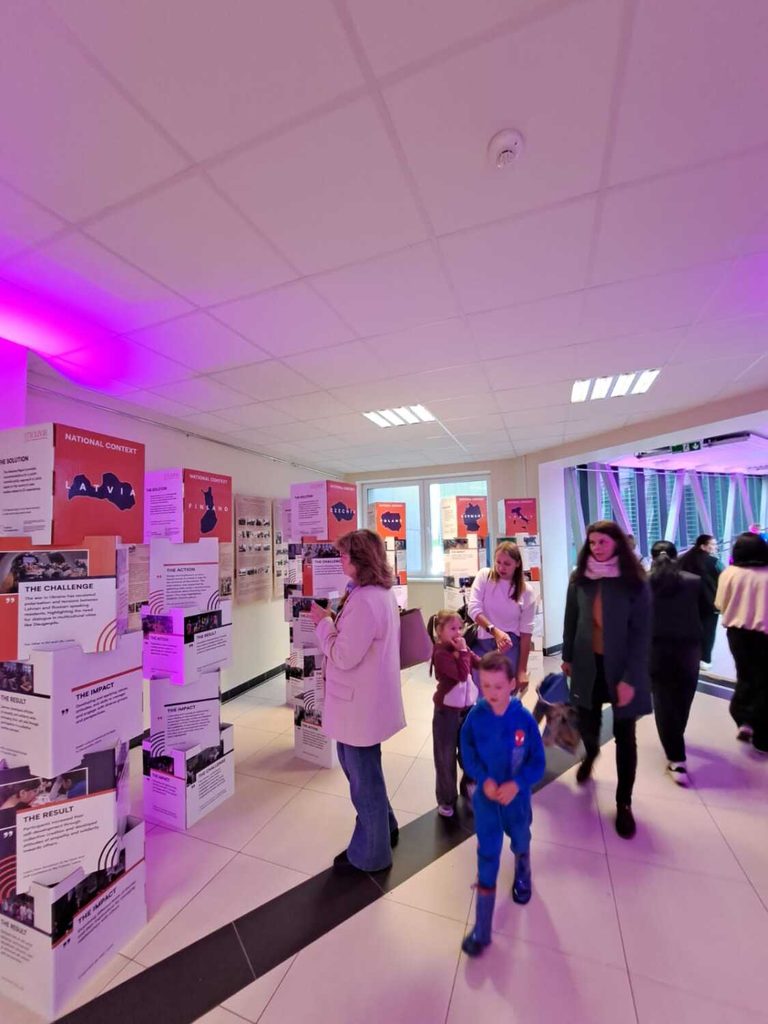
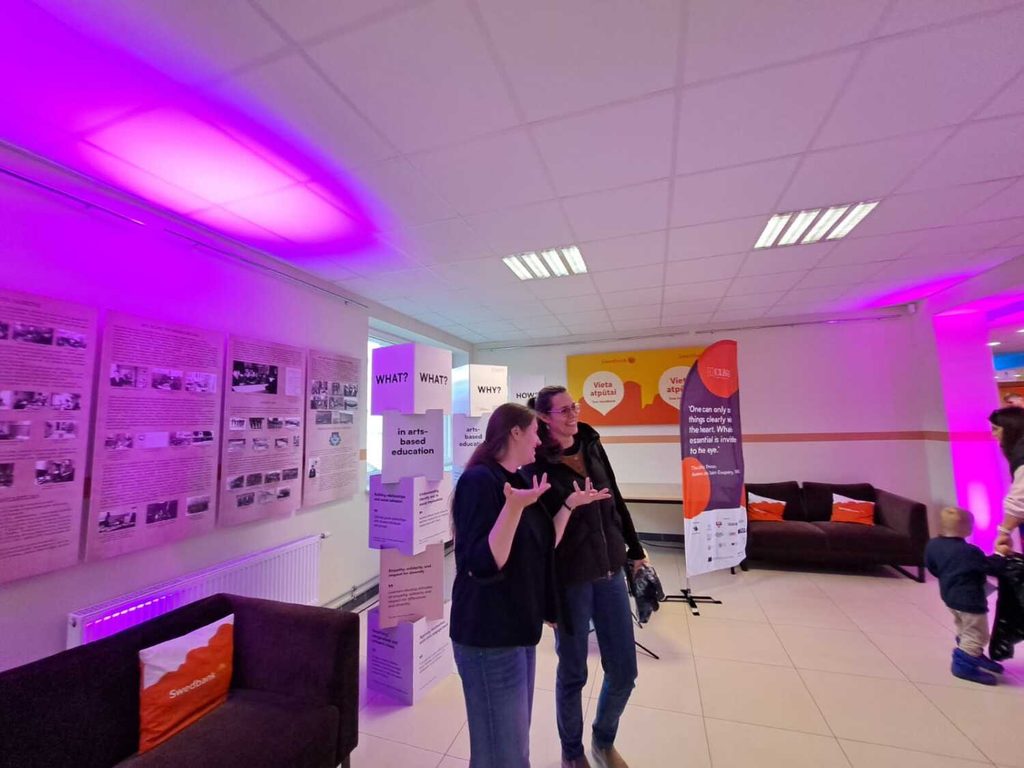
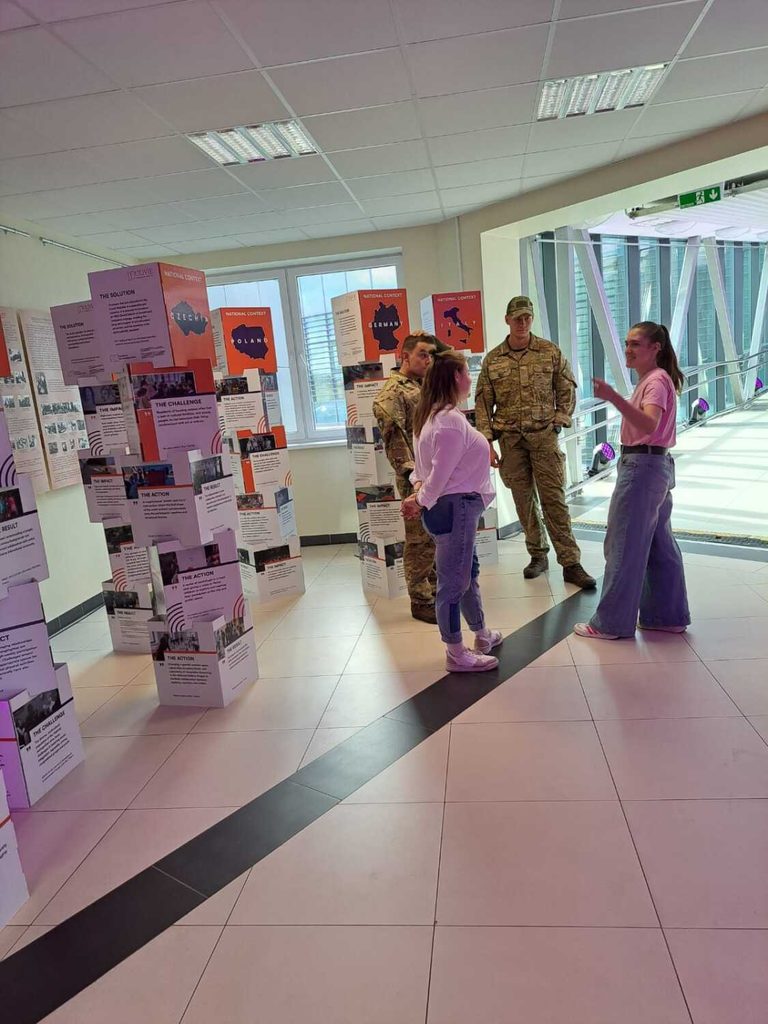
Arts for Change: Experiences from Seven Countries. The travelling CLiViE pop-up exhibition, previously presented in other project partner countries, also came to Daugavpils University for Researchers’ Night. It brought the findings of an international research project beyond academic settings and made them accessible to a wider public.
The exhibition presented examples of arts-based education, research findings and stories from seven European countries. Together, they demonstrated how artistic, cultural and creative activities can influence young people’s education, emotional wellbeing, participation, cooperation, sense of belonging and social inclusion. The exhibition also encouraged reflection on the role of culture and the arts in creating more inclusive educational environments and a more cohesive society.
An interactive element of the exhibition invited visitors to contribute their own experiences by scanning a QR code and responding to the prompt: “Tell us about one art-related experience that you remember with particular joy.” These responses add individual voices to the project’s research perspective and help illuminate how experiences of art remain in people’s memories and acquire personal and social meaning.
All five activities reflected a central idea of the CLiViE project: cultural literacy develops through experience, dialogue and shared activity. By enabling people of different ages to meet, cooperate and engage with different cultural experiences, such activities strengthen mutual understanding, a sense of belonging and social cohesion. The strong public interest showed that research questions can be communicated with both academic rigour and emotional resonance. Researchers’ Night became a space in which knowledge could be heard, felt, tested and created together.
The CLiViE activities at Researchers’ Night were prepared and delivered by Irina Presņakova, Dzintra Iliško and Alīna Romanovska. The martial arts activities were developed in cooperation with the NGO HVARAN and its experienced instructors.
The CLiViE team thanks all visitors and project partners for their interest, energy and willingness to participate.
Further information about the activities and the CLiViE project:
Alīna Romanovska
CLiViE Project Leader at Daugavpils University
Associate Professor and Leading Researcher at the Institute of Humanities and Social Sciences
alina.romanovska@du.lv
The project has received funding from the European Union’s “Horizon Europe” Research and Innovation programme under the grant agreement No. 101132285.