


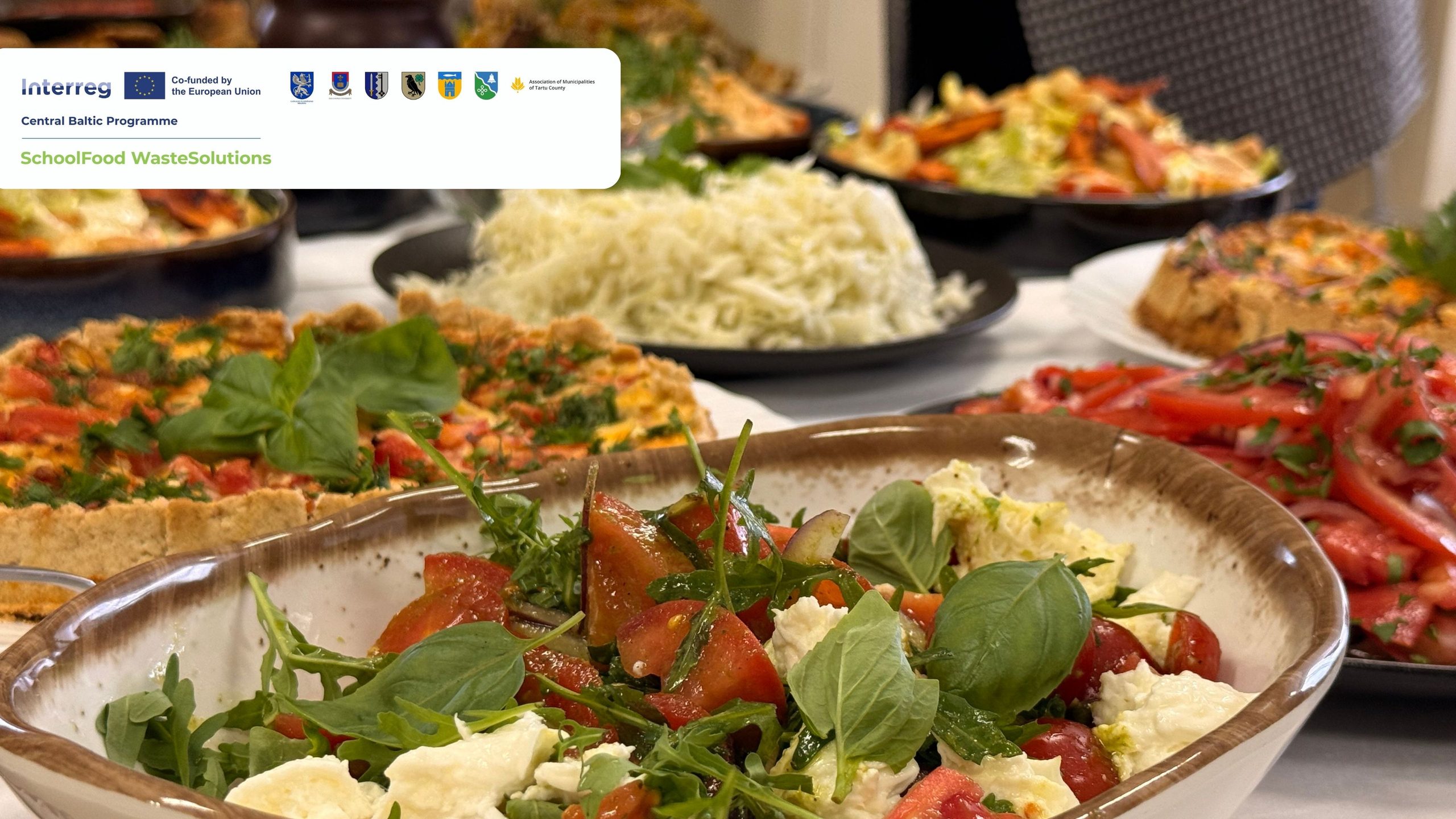
How can nutritious meals made with legumes, tofu and other plant-based ingredients become a popular part of school lunches? This was the challenge explored by school chefs from Latvia and Estonia during international masterclasses organised as part of the “SchoolFood WasteSolutions” project. Guided by Swedish experts, participants learned new recipes, experimented with ingredient combinations and involved students in evaluating the dishes they prepared.
The masterclasses, entitled “Plant Proteins on the School Menu,” took place in two countries: on 26-27 October 2026 at Kõrveküla Basic School in Estonia and on 29-30 October 2026 at Daugavpils Tourism and Technology Vocational School in Latvia. The events brought together school chefs and catering professionals, providing an opportunity to explore new approaches to using plant-based proteins, exchange professional experience and jointly develop solutions for more varied, nutritious and appealing school meals.
From Nutritional Knowledge to Hands-On Cooking
Plant-based proteins are an important part of a balanced diet. However, introducing them more widely into school menus requires not only an understanding of their nutritional value but also practical skills in preparing tasty dishes that appeal to students.
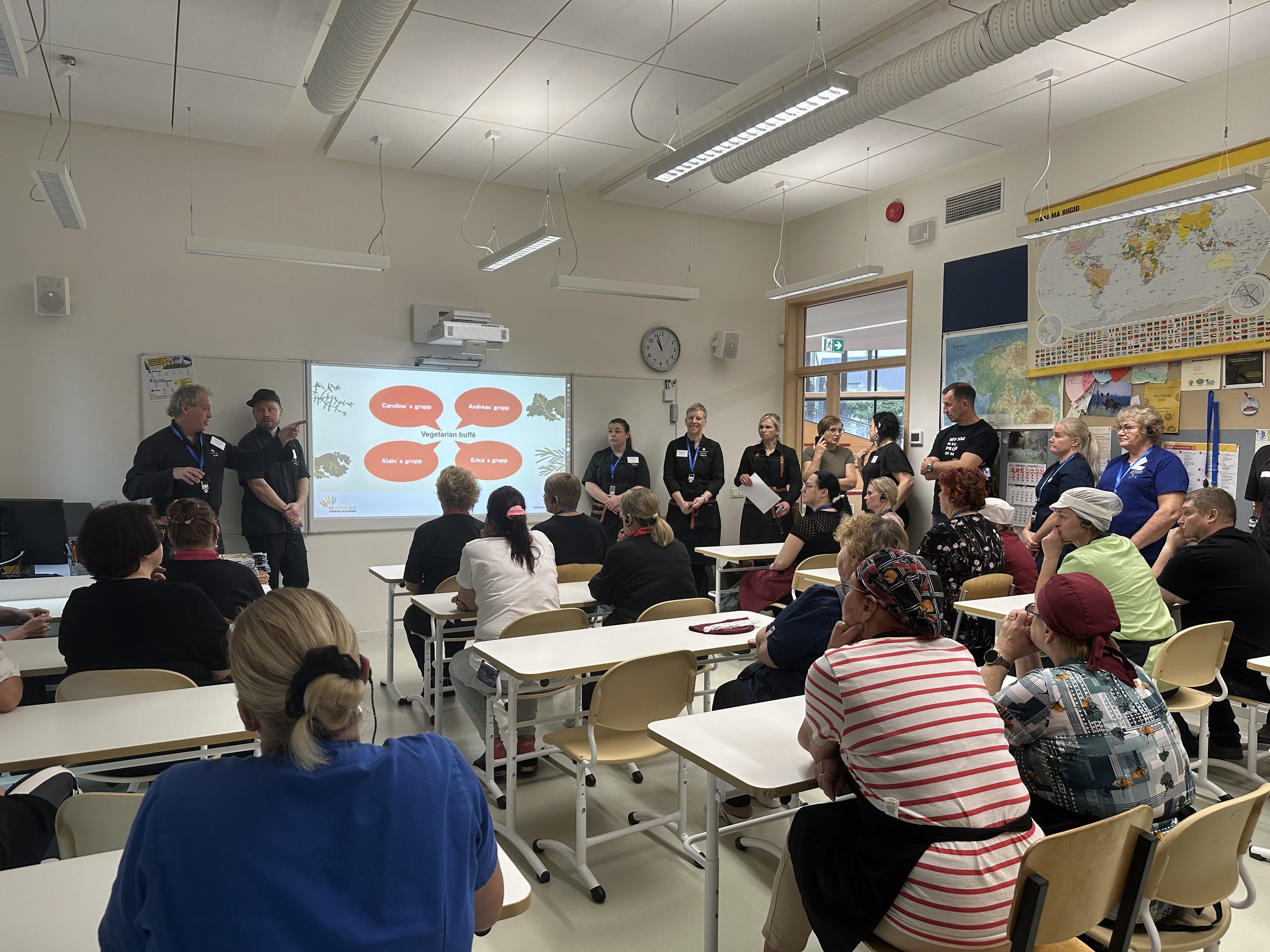
In Daugavpils, Dzintra Kokta, a project expert at Daugavpils University, food technologist and nutrition specialist, delivered an educational session entitled “Plant Protein on the School Plate – Nutritional Value, Opportunities and Practical Solutions.” She introduced participants to the importance of plant-based proteins in students’ diets and their potential for creating balanced menus, linking nutritional science with practical solutions for the everyday work of school chefs.
In Estonia, nutrition specialist Triin Muiste shared her knowledge of incorporating plant-based proteins into school meals. Participants also had the opportunity to learn about pea protein products offered by Thormi OÜ and explore their potential applications in cooking.
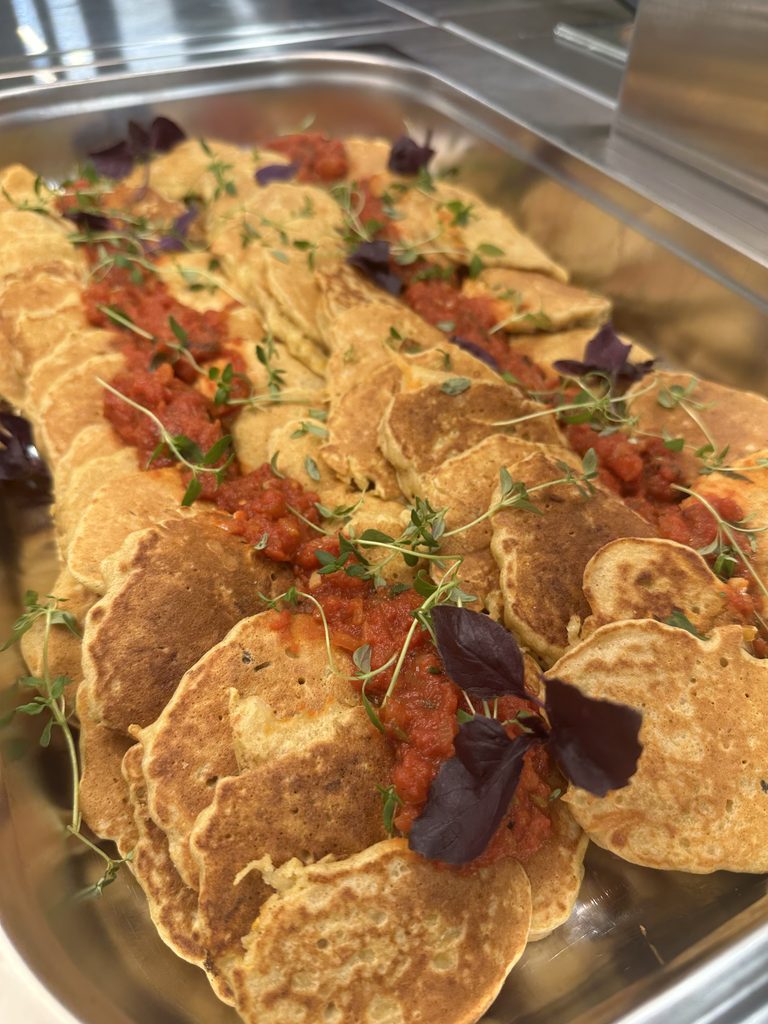
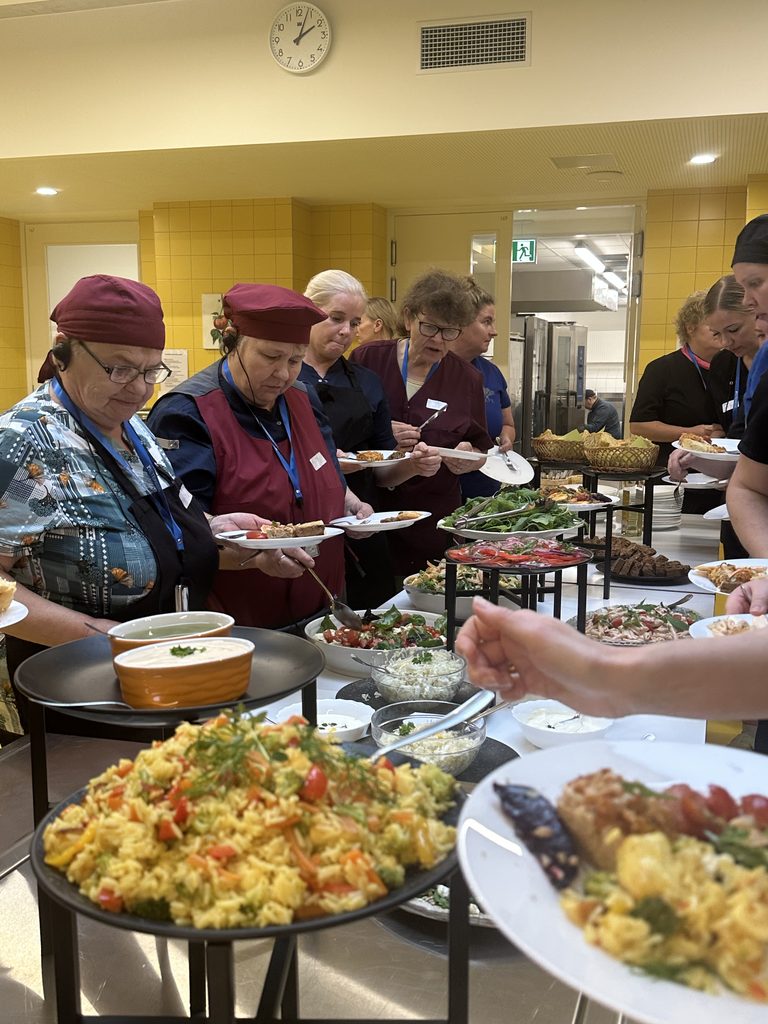
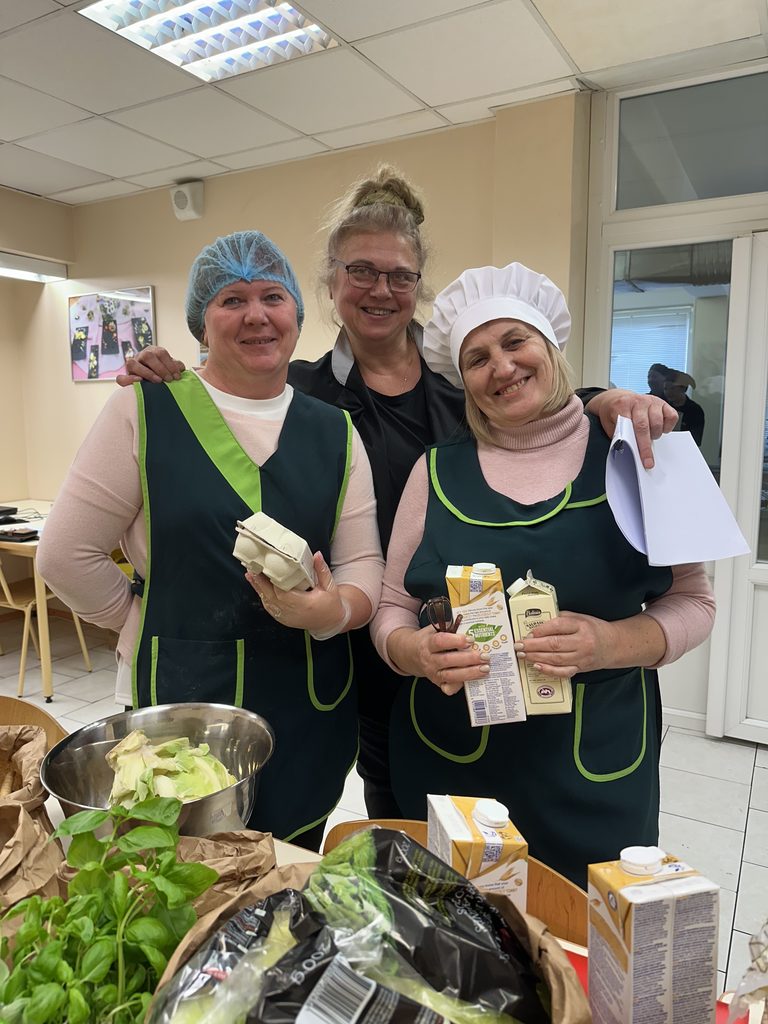
The hands-on masterclasses were led by a team of Swedish chefs headed by Alain Grenard, Food Service Manager at Karlstad Municipality. Working in groups, participants prepared main courses, side dishes, bread and baked goods using legumes, tofu, quinoa, grains, vegetables and other ingredients.
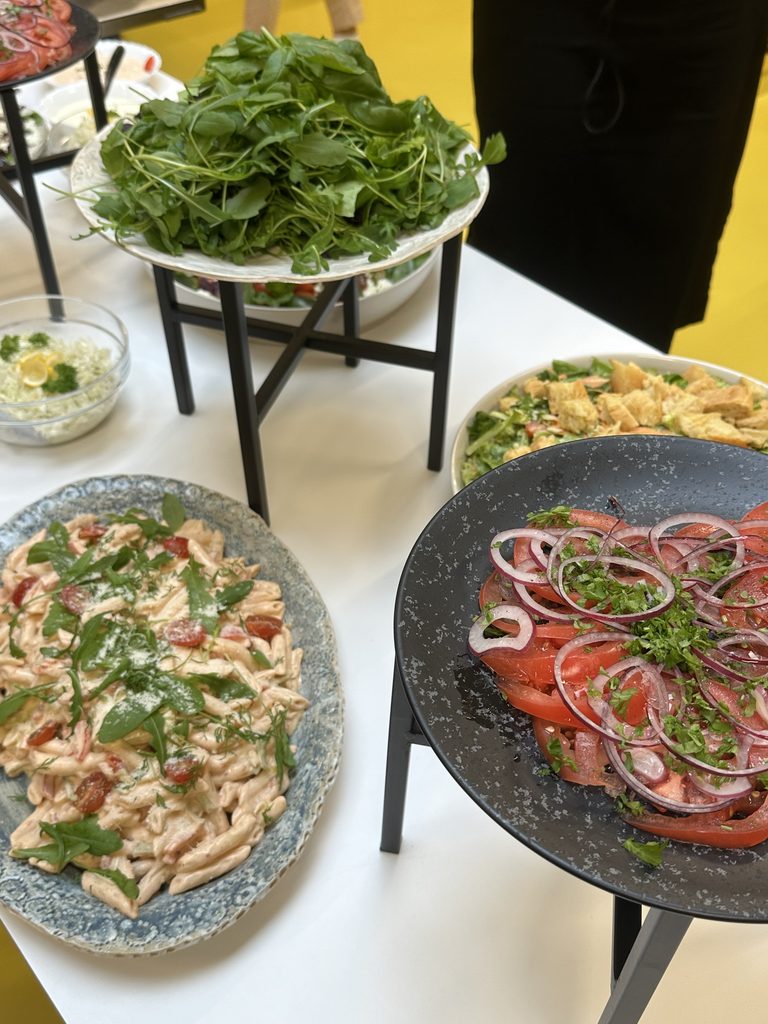
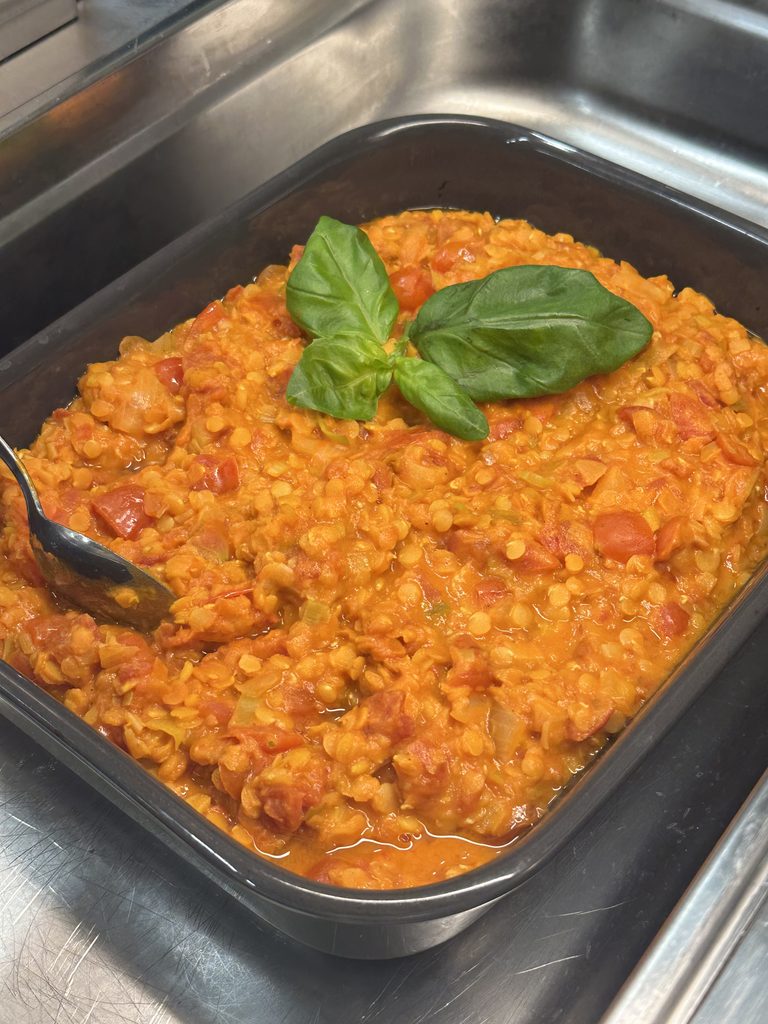
Throughout the cooking sessions, particular attention was paid to flavour and texture combinations, food presentation and the suitability of recipes for everyday use in school kitchens.
Students Evaluate, Chefs Refine the Recipes
One of the most valuable aspects of the masterclasses was the direct involvement of students in evaluating the new recipes. In both Estonia and Latvia, students had the opportunity to taste the prepared dishes, assess their flavour, appearance, texture and presentation, and share their suggestions.
This approach enabled chefs to receive feedback directly from the people for whom the new recipes were intended. The key question was not only whether students liked a particular dish, but also whether they would willingly choose it in their school canteen.
Students’ feedback became the basis for practical improvements the very next day. The chefs prepared the dishes again, adjusting the recipes in response to the suggestions they had received. This provided an opportunity to see how changes in ingredient combinations, flavour or presentation could make the meals more appealing to students.
At the same time, working in international groups encouraged collaboration and professional exchange among the chefs, allowing them to explore different cooking approaches and share ideas that could be applied in practice.
From Masterclasses to School Menus
The value of the masterclasses extends beyond learning new recipes. The “SchoolFood WasteSolutions” project aims to improve the quality of school meals and reduce food waste. It is therefore essential not only to offer nutritious meals but also to ensure that students are willing to choose and eat them.
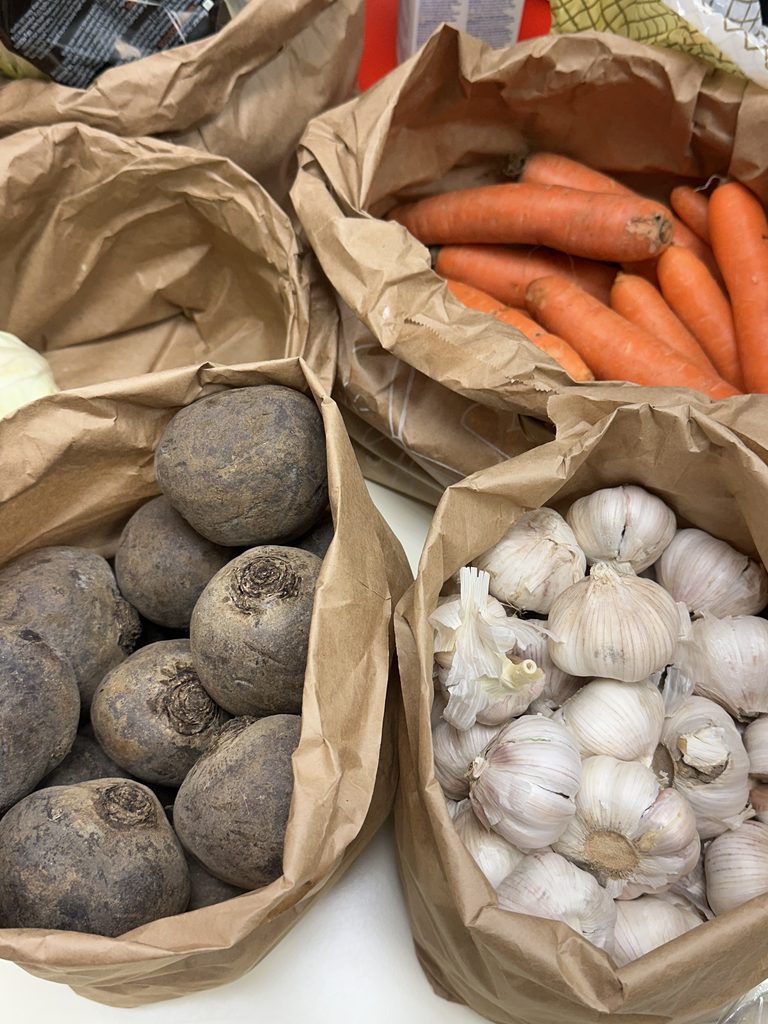
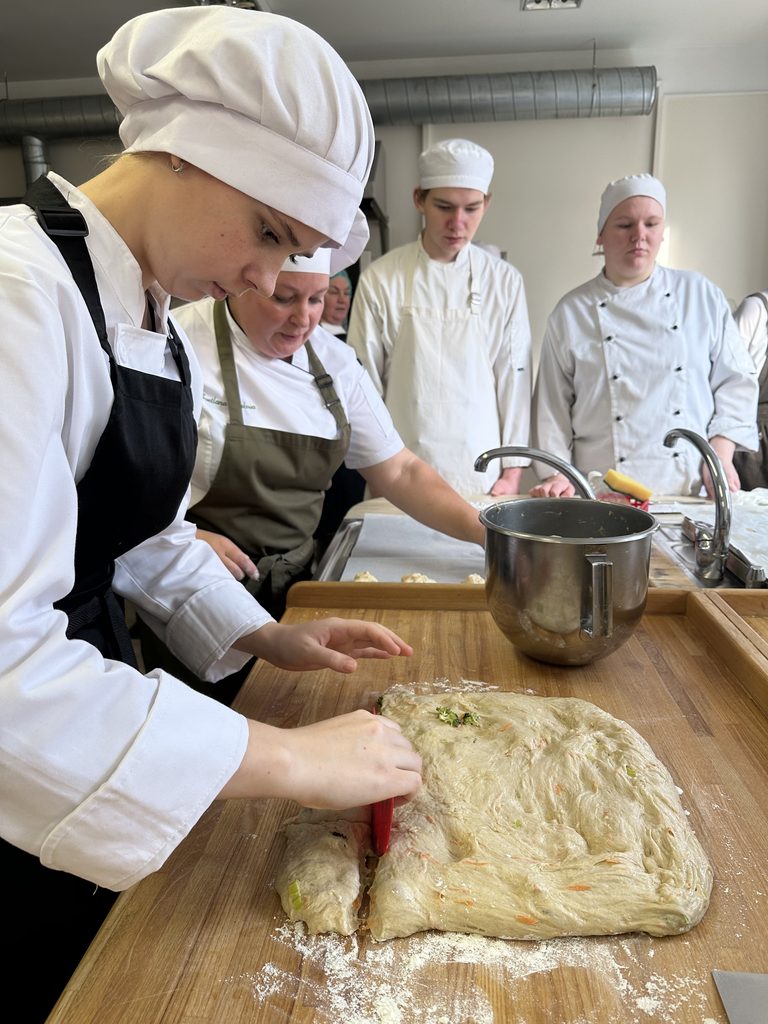
The practical sessions also focused on more efficient ingredient planning and making full use of available food products. Meanwhile, involving students in recipe evaluation helped participants better understand their preferences and reduce the risk of meals being left uneaten.
The recipes introduced and refined during the masterclasses will be used in future project activities, including testing new dishes in pilot schools. The experience gained and recommendations from participating chefs will also contribute to the development of six-week school menus and a recipe book, for which Daugavpils University is responsible.
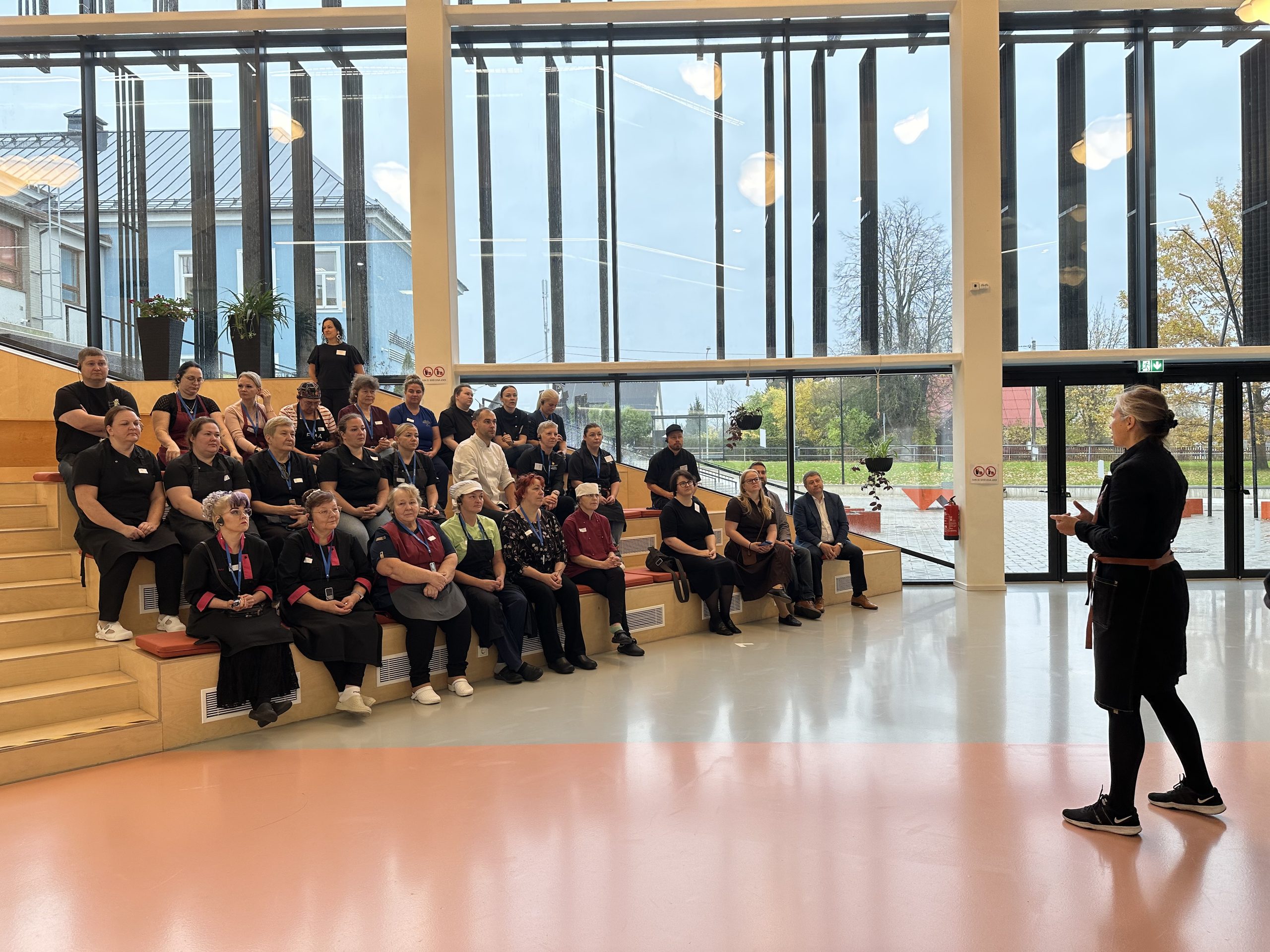
The international masterclasses demonstrated the value of practical collaboration. By combining the knowledge of nutrition specialists, the professional skills of chefs and students’ feedback, it is possible to develop meals that are not only nutritious and varied but also suitable for everyday school catering.
The main challenge is not simply to include more plant-based ingredients on school menus, but to find ways of preparing them that students will genuinely enjoy. Exploring such solutions is an important step towards more sustainable school catering and less food waste.
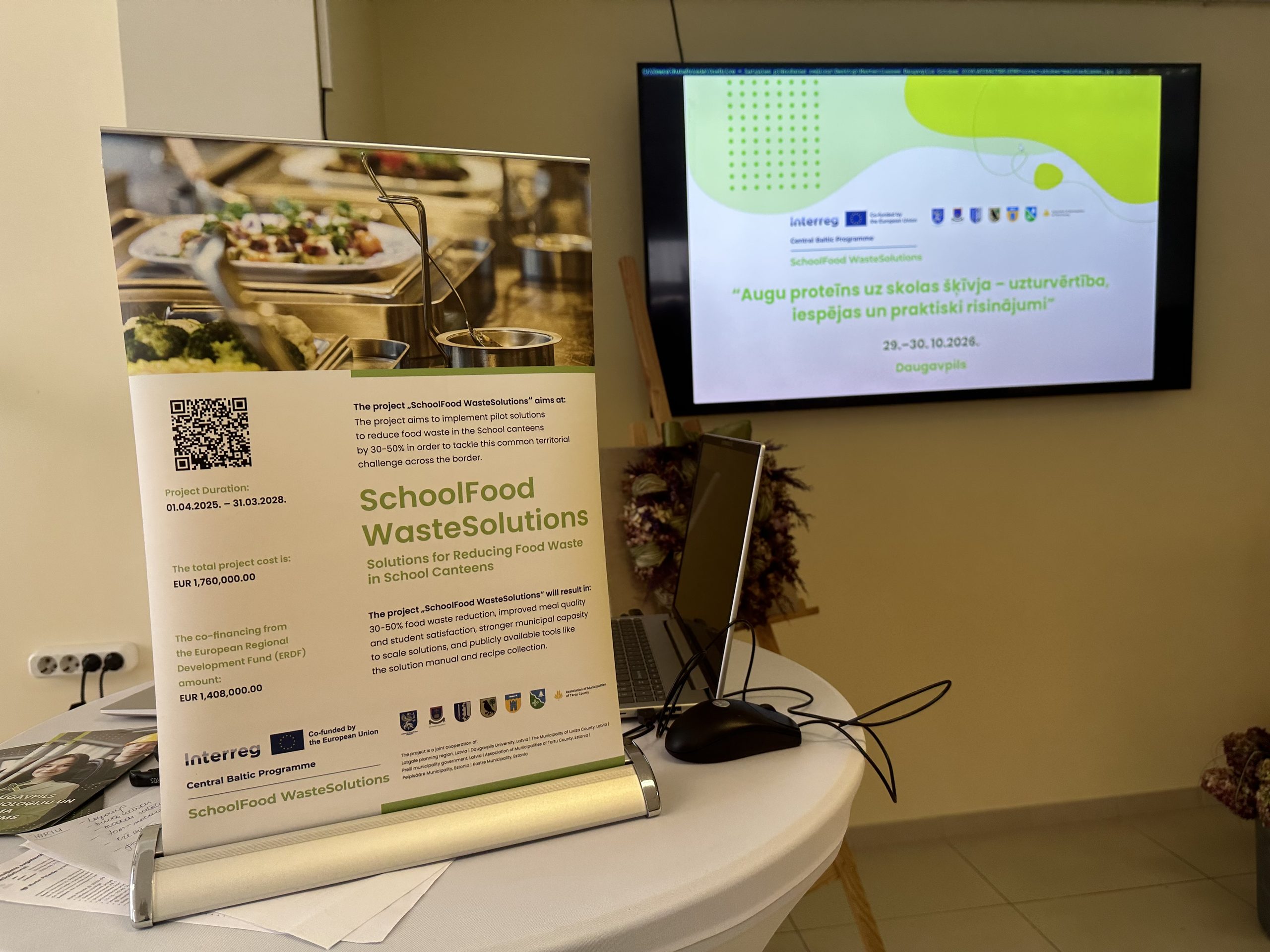
This project is co-financed by the European Union. The Interreg Central Baltic Programme 2021–2027 promotes cross-border cooperation to address shared challenges and build a more sustainable, innovative, and inclusive Central Baltic region.
Programme website: https://centralbaltic.eu/
Official EU website: www.europa.eu
Contact:
Rita Ivanova
Daugavpils University
Senior Project Manager
E-mail: rita.ivanova@du.lv
Phone: 29857838
This publication has been prepared with the financial support of the European Union. Daugavpils University is solely responsible for the content of this publication, which should not be regarded as reflecting the views of the European Union.


