

.svg)


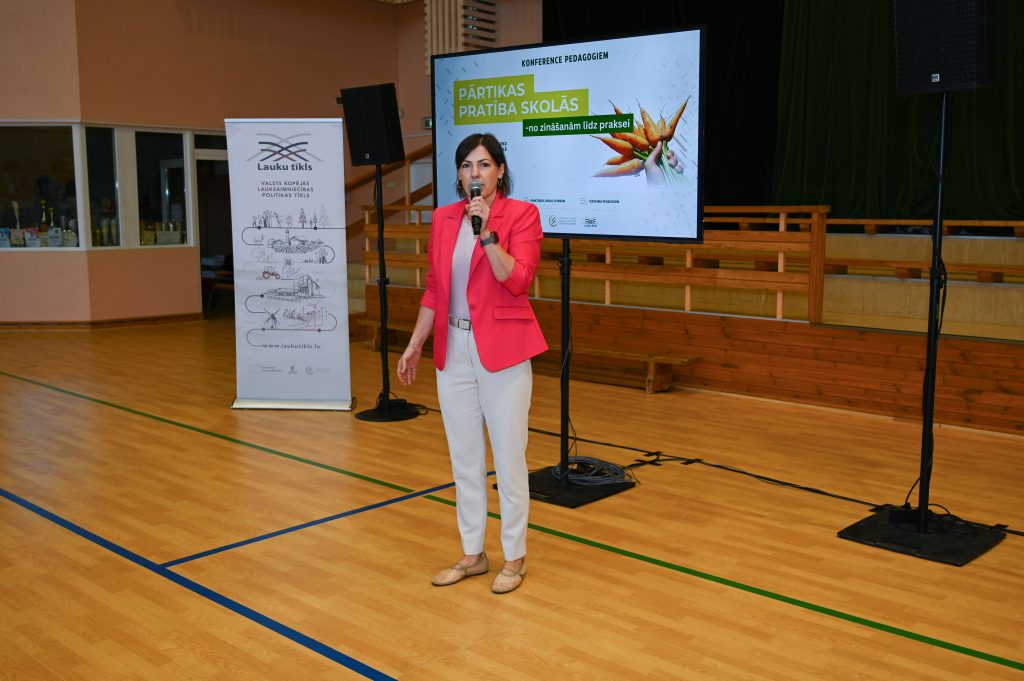
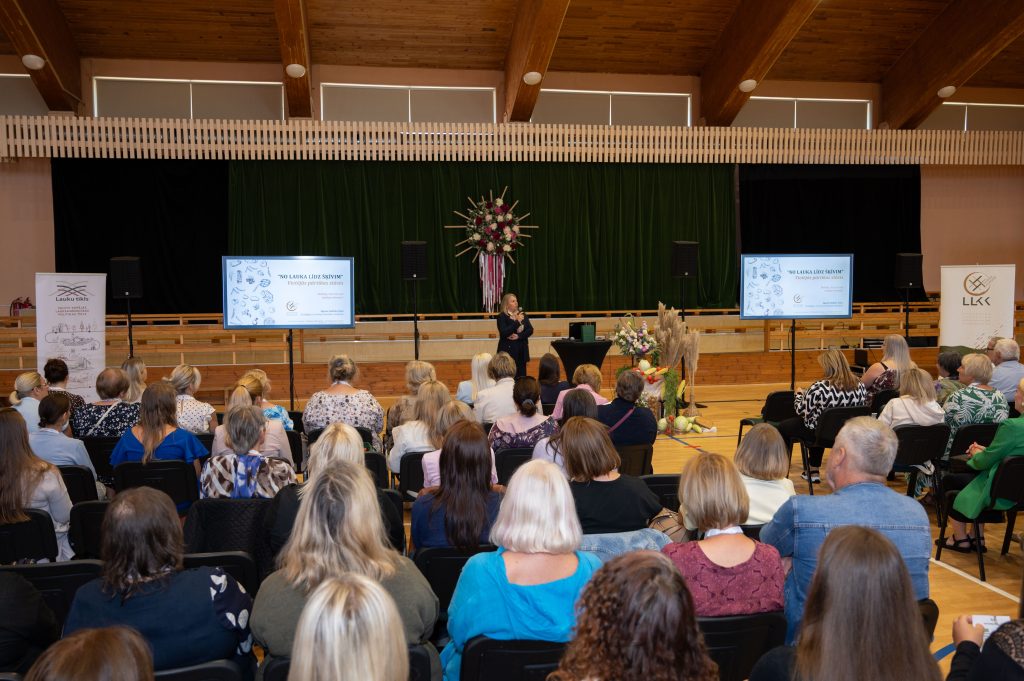
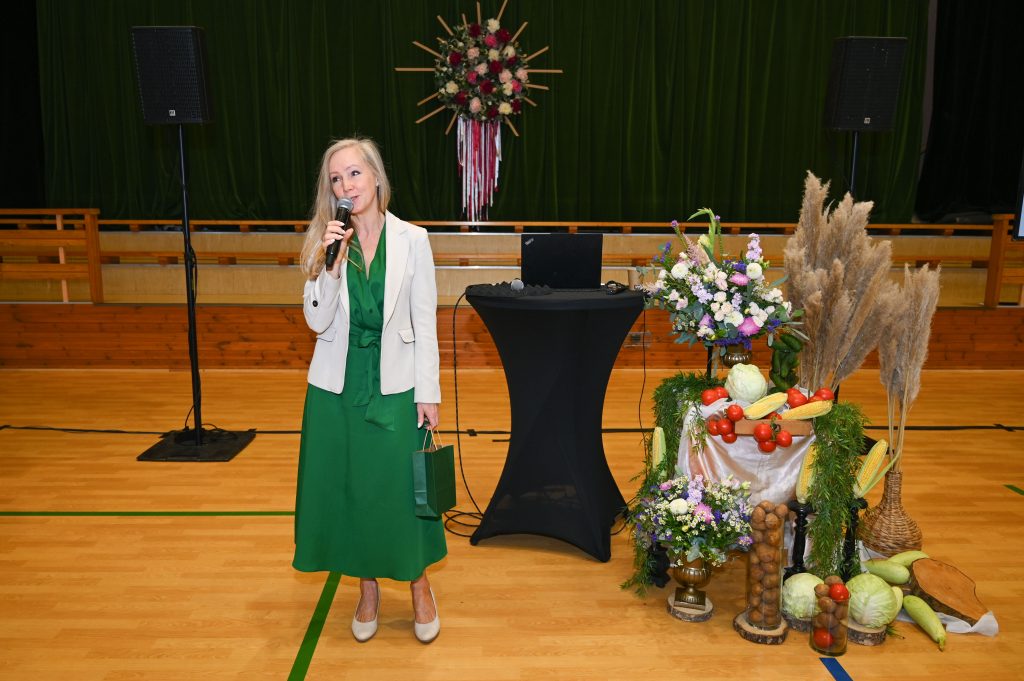
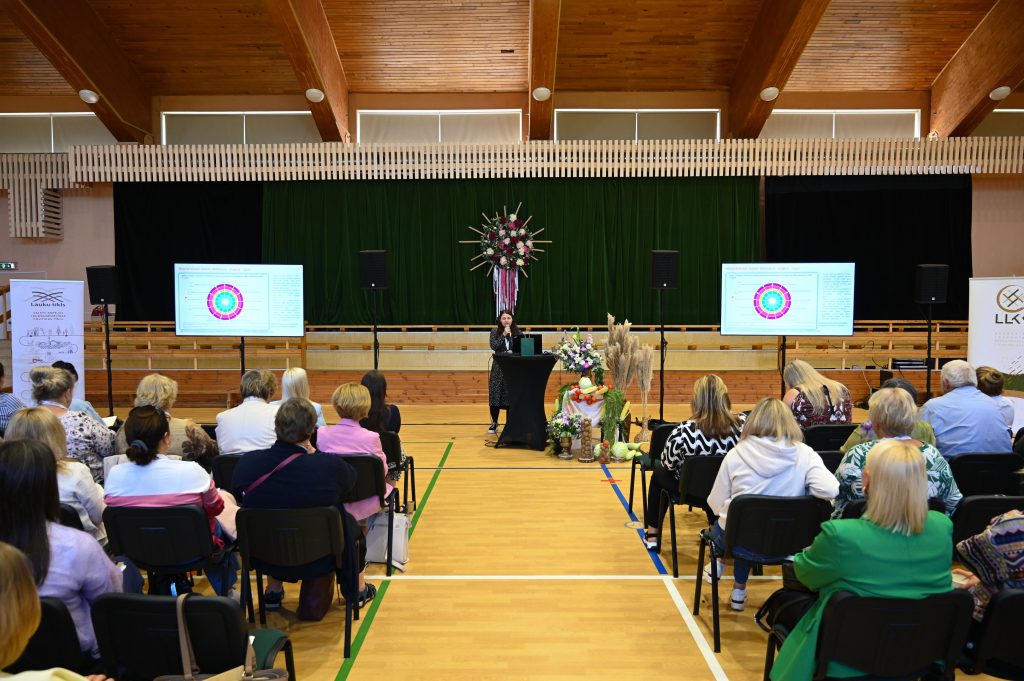
On 13 August 2026, the Daugavpils University team of the Interreg Baltic Sea Region Programme project EDUFOOD BSR took part in the conference “Food Literacy in Schools – From Knowledge to Practice”, held at Ozolnieki Secondary School.
Organised by the Latvian Rural Advisory and Training Centre, the conference brought together educators and experts from various fields to discuss how food literacy in schools can be made practical, easy to understand and engaging for children. The focus was not only on knowledge about healthy eating, but also on how to foster children’s interest, understanding and positive attitudes towards food in everyday life.
This topic closely aligns with the direction of the EDUFOOD BSR project. At the heart of the project is the SAPERE sensory food education method, which helps children discover food through their senses – sight, smell, touch, hearing and taste. It encourages children to explore, compare, ask questions and gradually become familiar with new foods in a positive, safe and child-friendly way.
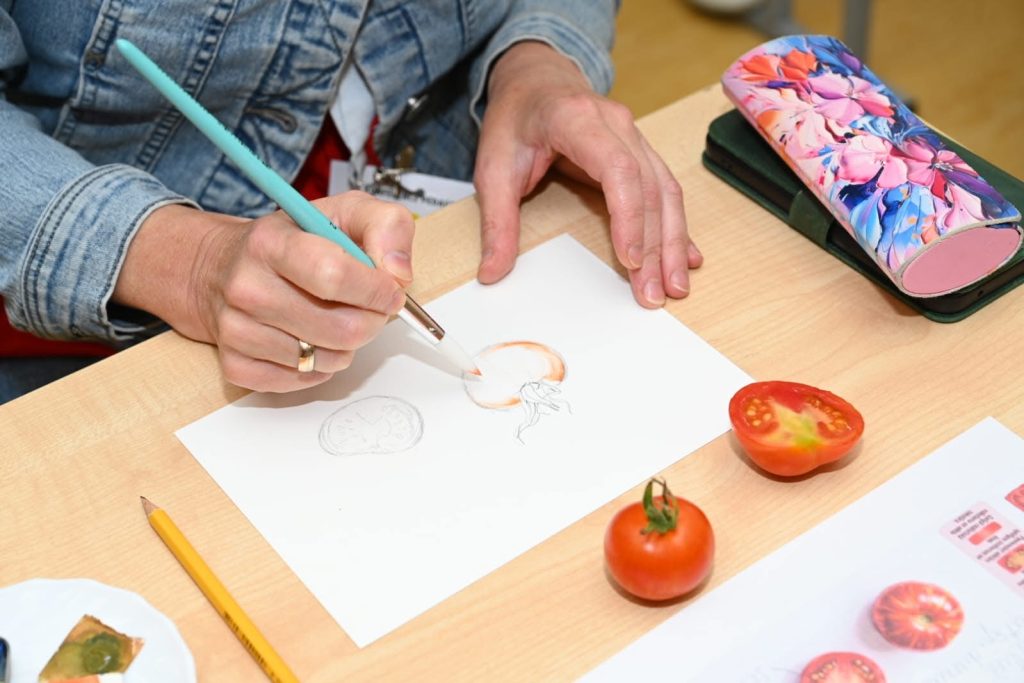
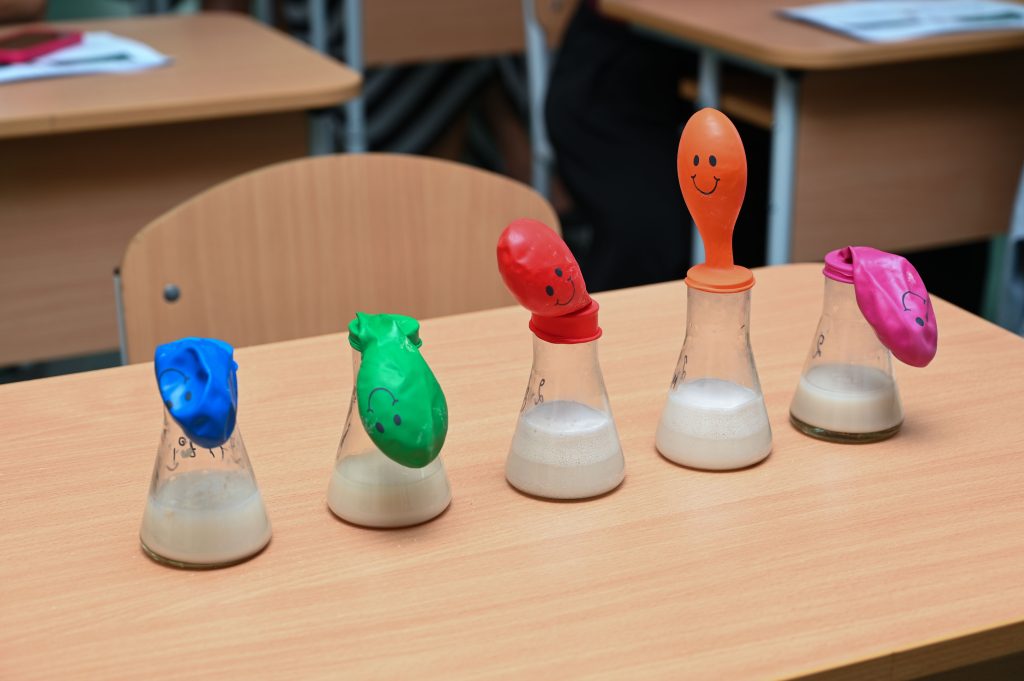
Practical workshops, in which participants could try out different methods for working with pupils, were a particularly important part of the conference programme. The EDUFOOD BSR project representative took part in the workshops “See, Feel, Paint – A Vegetable’s Story in Watercolour” and “Small Experiments – Big Discoveries: Science Through the Lens of Food”.
In the first workshop, food was explored through observation, sensory experience and creative expression. Participants examined the shape, colour, texture and other qualities of vegetables, and then depicted their observations using watercolours. This approach shows that even a seemingly ordinary food can become a fascinating object of discovery and help children develop more positive associations with food.
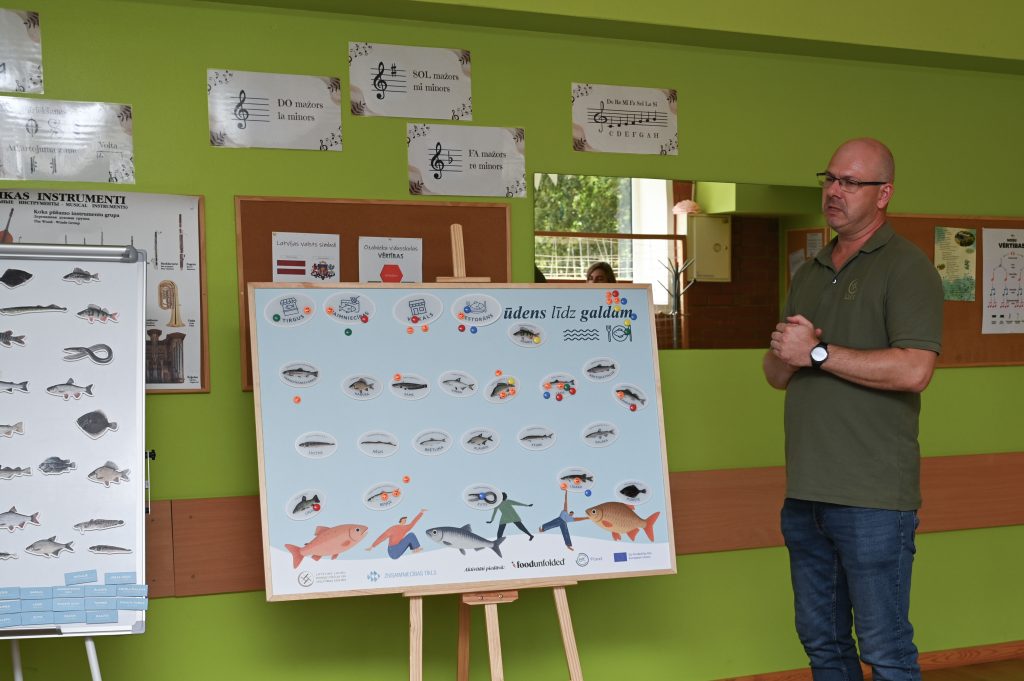
The workshop on science through the lens of food demonstrated how simple experiments can develop children’s inquiry skills and make exploring food exciting. This approach shows that food at school is more than just a meal – it can also become a way to learn how to observe, compare, draw conclusions and understand the processes around them.
Participation in the conference provided valuable ideas for the EDUFOOD BSR project’s future activities, particularly for work with teachers, school catering professionals and municipalities. The project aims to strengthen cooperation among these groups in Latvia, Estonia and Lithuania, so that school meals become easier for children to understand and accept, and more closely connected with educational experiences.
EDUFOOD BSR project places particular emphasis on pupils in grades 1–4, as primary school is often the stage when children are still forming their attitudes towards new flavours, foods and school meals. The SAPERE method helps make this process gradual and child-friendly, while providing schools and municipalities with practical tools for their everyday work.
The EDUFOOD BSR project No. S040, “Food Education Innovations for Healthier Habits and a More Sustainable Baltic Sea Region”, is implemented within the Interreg Baltic Sea Region Programme 2021–2027. Daugavpils University is the project’s lead partner.
Daugavpils University project page: https://du.lv/project/partikas-izglitibas-inovacijas-veseligakiem-paradumiem-un-ilgtspejigakam-baltijas-juras-regionam/
Interreg Baltic Sea Region Programme website: https://interreg-baltic.eu/
EDUFOOD BSR project website: https://interreg-baltic.eu/project/edufood-bsr/
Official website of the European Union: https://european-union.europa.eu/
Aļona Peinere
Project Manager, Daugavpils University
Email: alona.peinere@du.lv
This article has been produced with the financial assistance of the European Union. The contents of this article are the sole responsibility of Daugavpils University and can under no circumstances be regarded as reflecting the official position of the European Union.


