.svg)


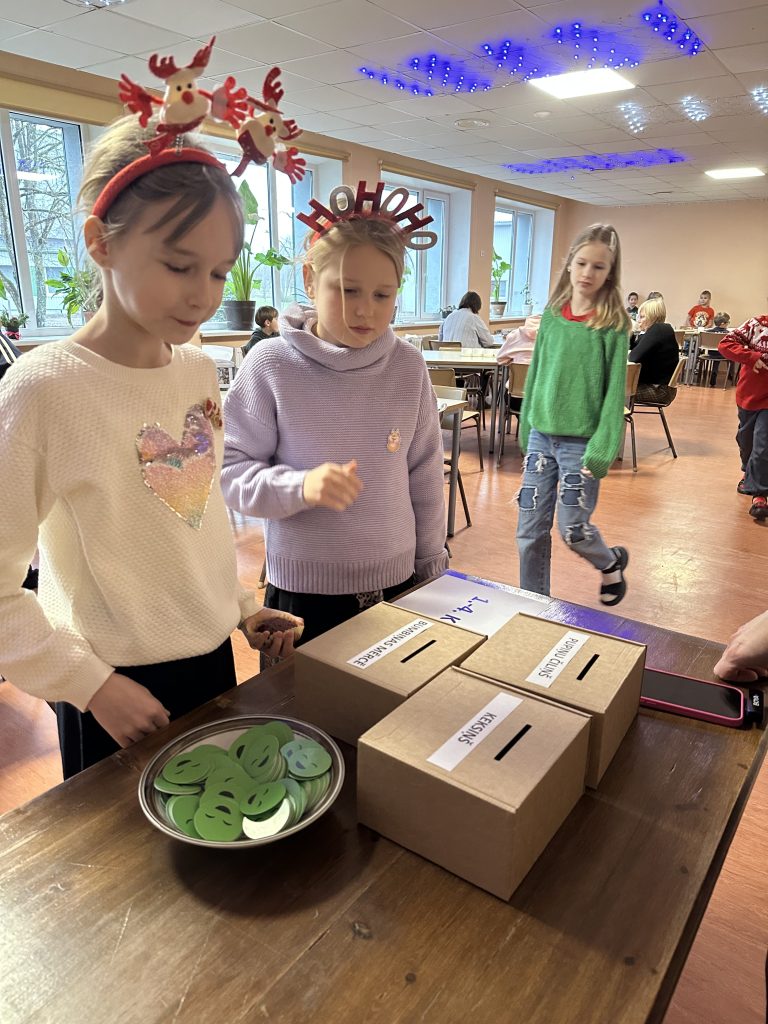
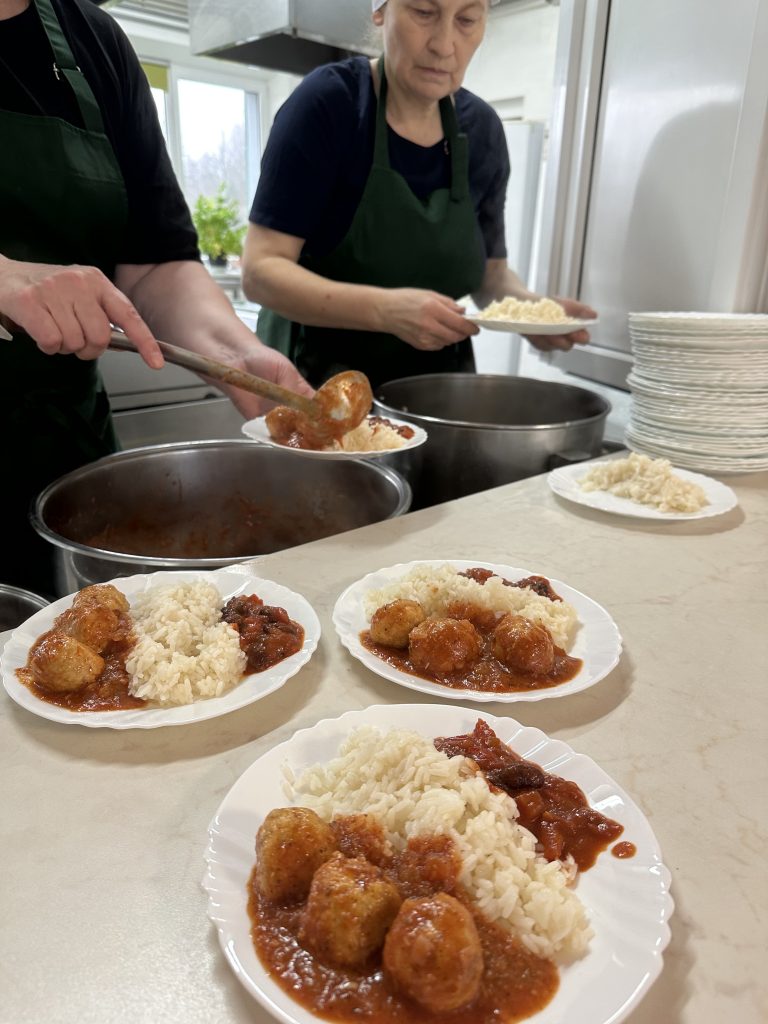
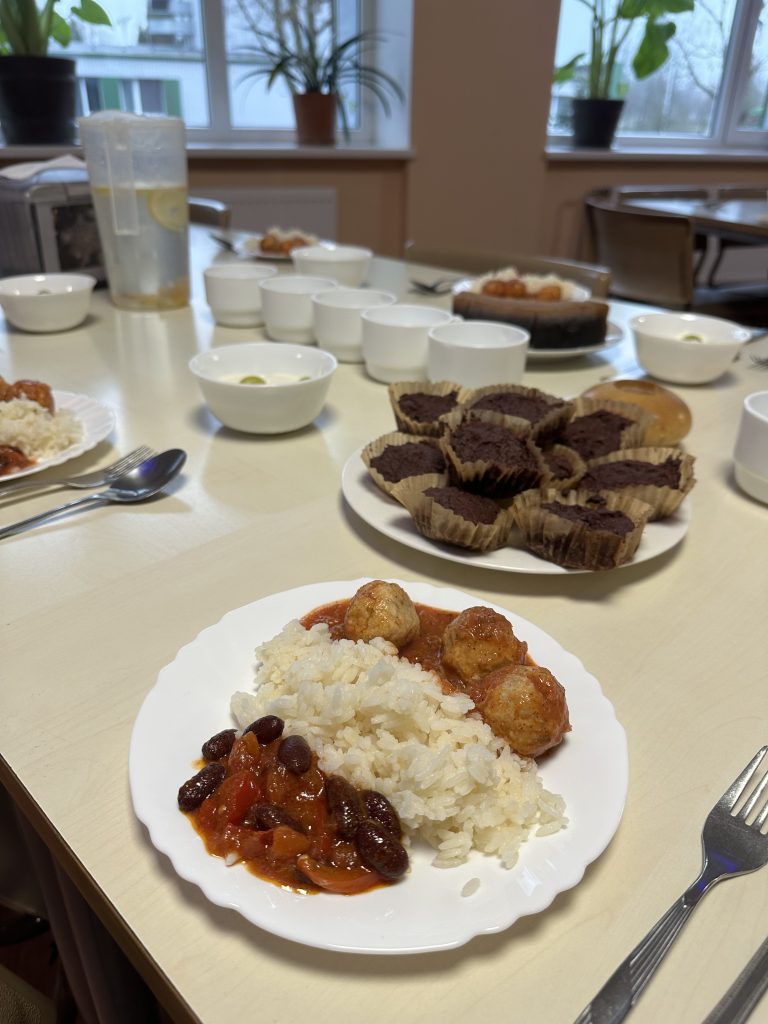
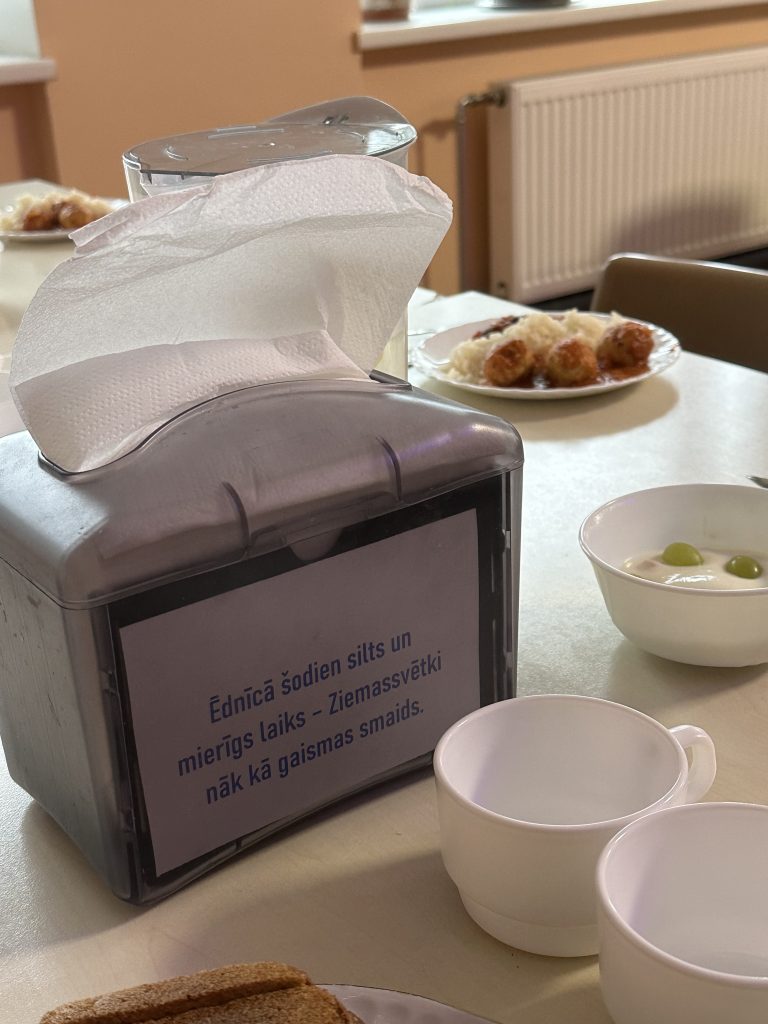
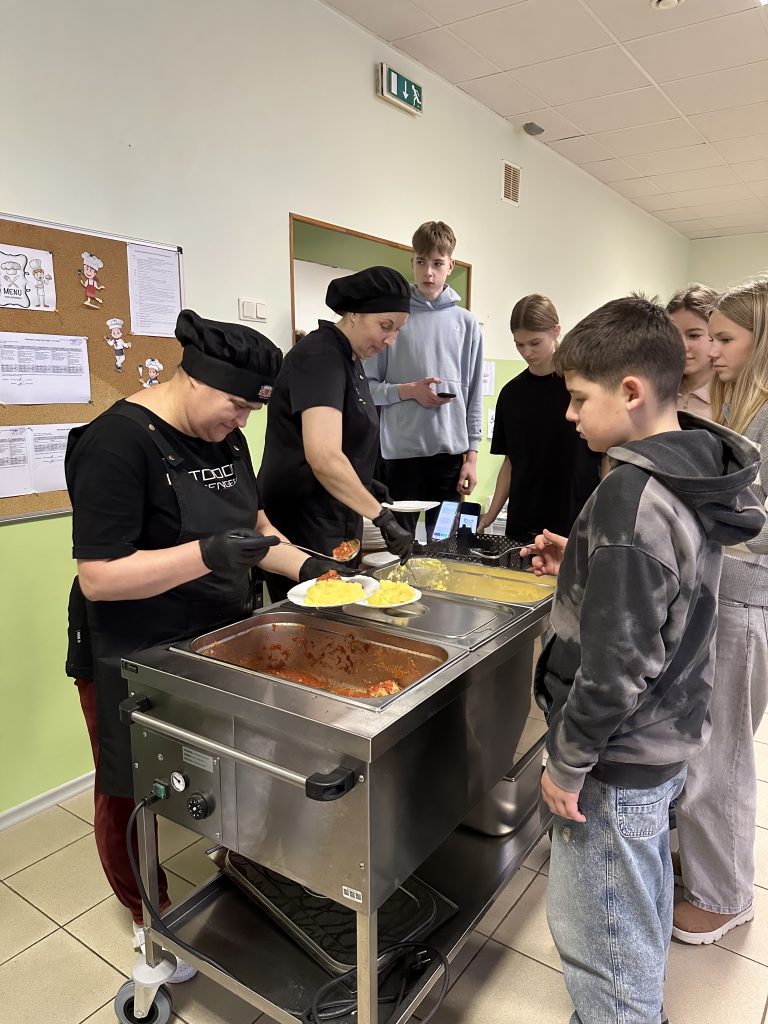
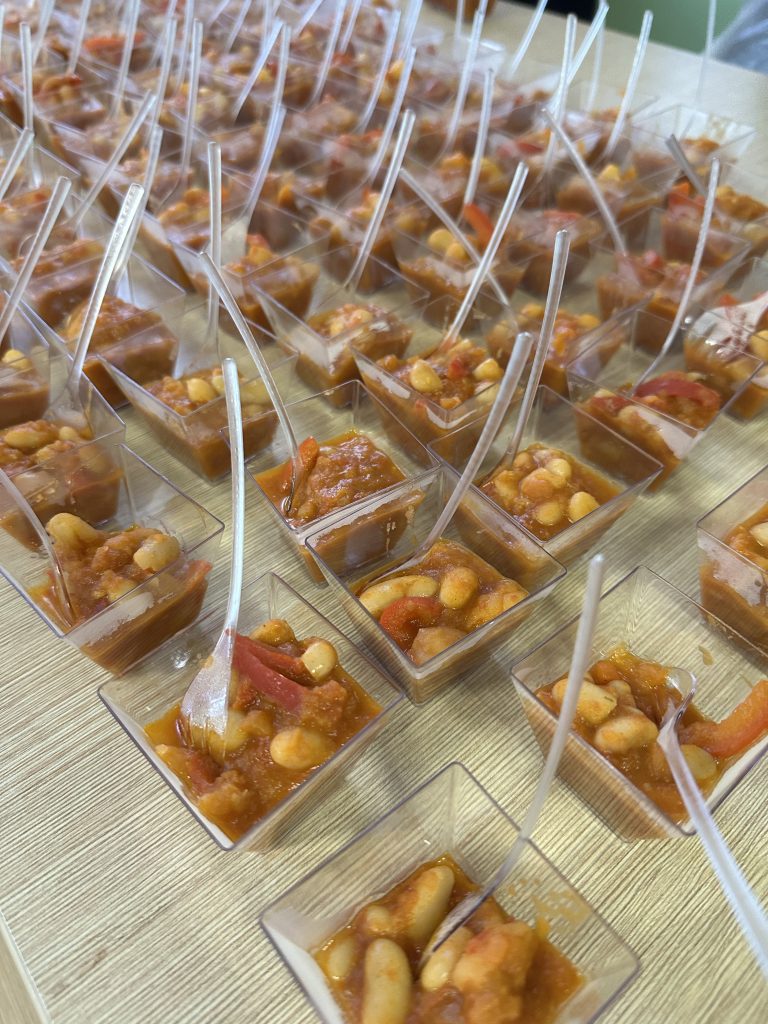
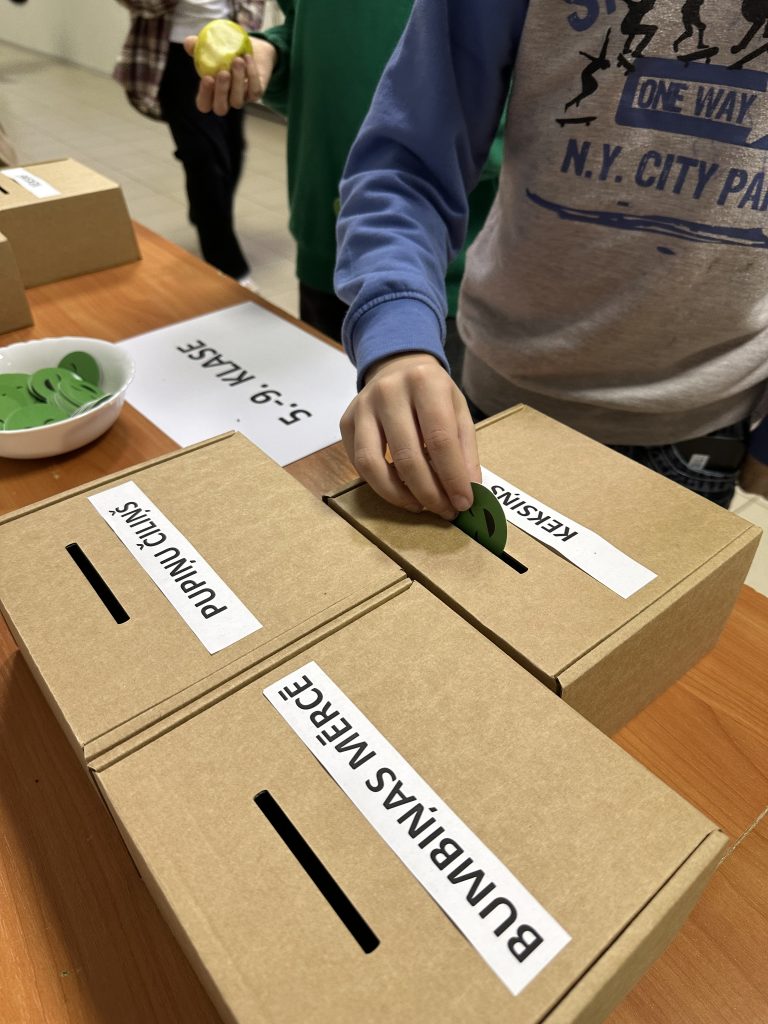
Are children ready to try bean chili, beets in dessert, or fish–chicken balls in tomato sauce? In December, pilot schools participating in the “SchoolFood WasteSolutions” project sought very practical answers to this question – the third round of testing new recipes took place in school cafeterias.
This time, students were offered three more unusual dishes that deliberately challenge conventional ideas of “school food.” The goal of testing the recipes is not to surprise with exotic flavors, but to gradually expand children’s taste experiences and show that healthy food can also be interesting and tasty.
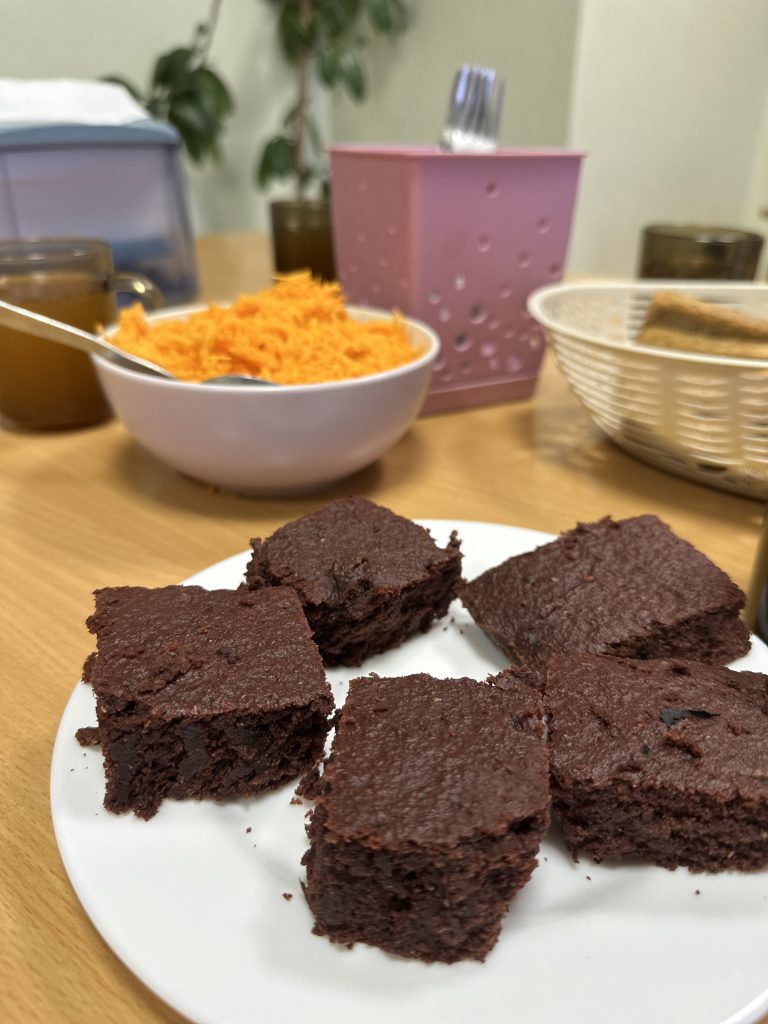
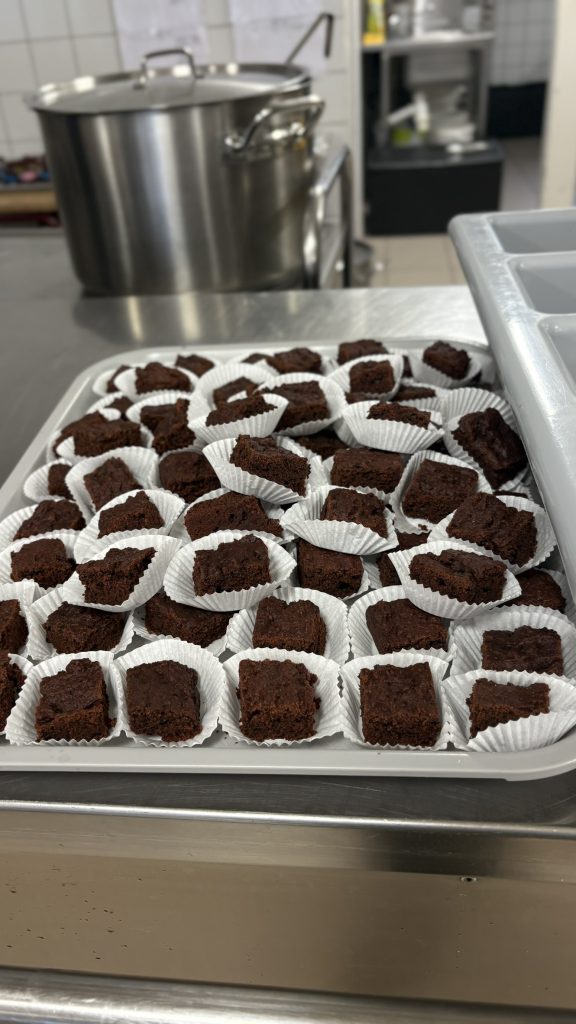
Particular attention was drawn to the dark beet cupcake – a dessert that became a pleasant discovery for many children. Beets were used not only for their color – they allow for a reduction in added sugar while also enriching the dish with nutrients. This example clearly shows how vegetables can be successfully integrated even into sweet dishes.
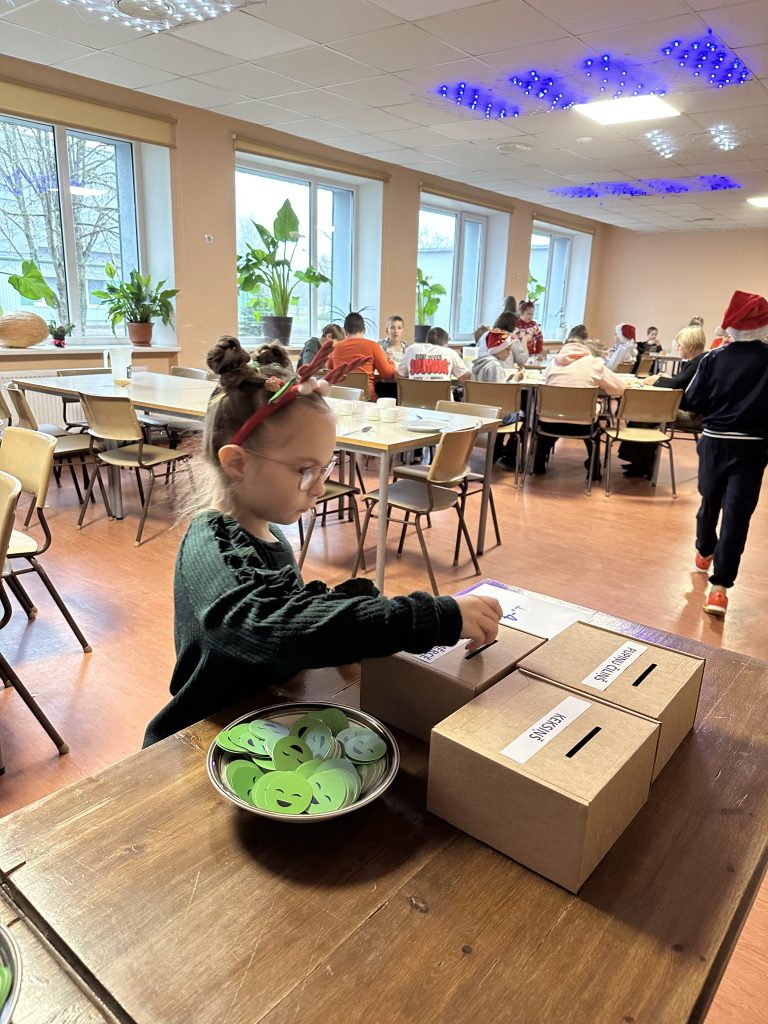
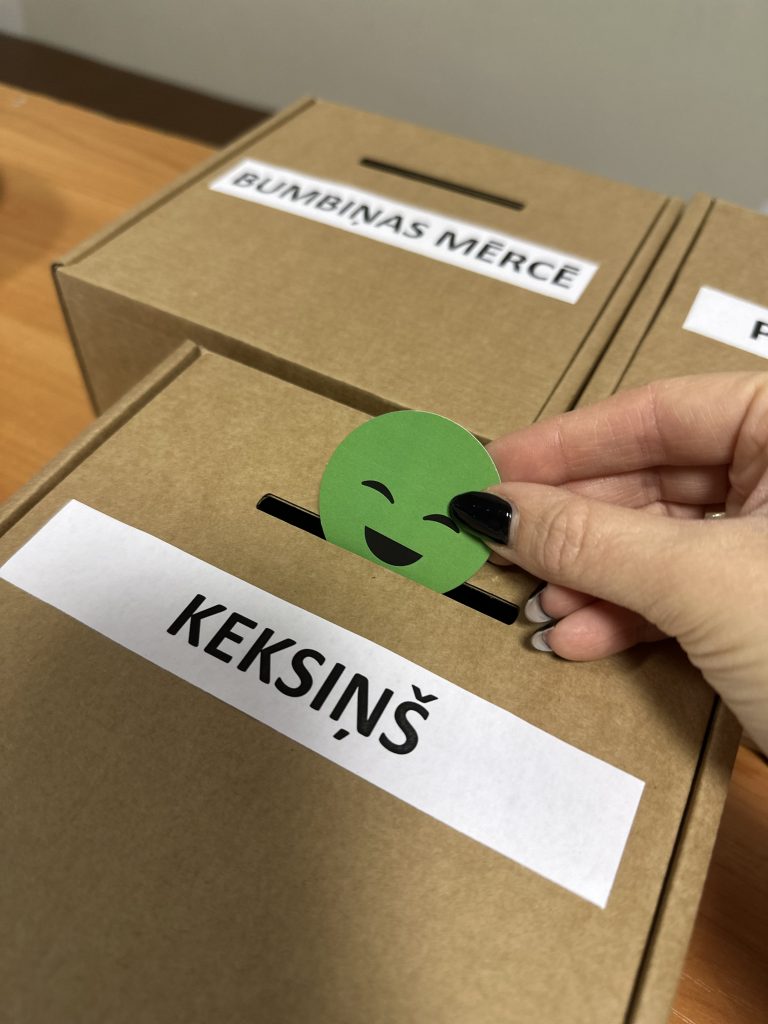
During the tastings, children not only tried the new meals but also provided direct feedback. This involvement is one of the project’s core values – the menu is not created “on paper,” but rather in dialogue with those who will eat it.
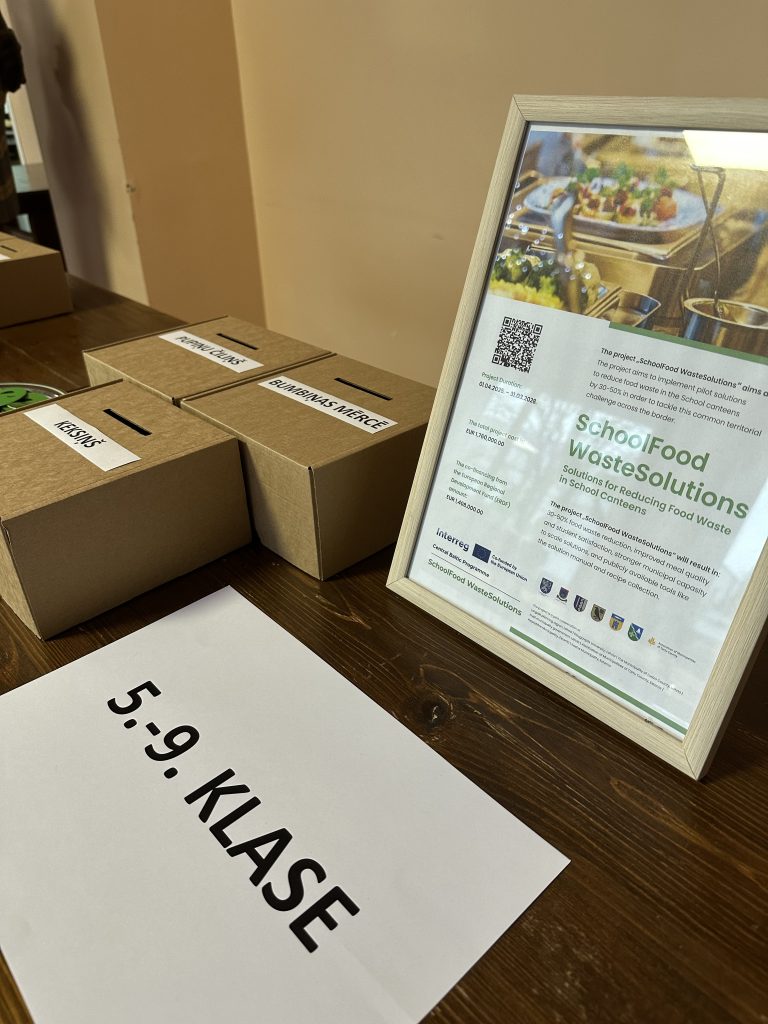
Looking back at the first three rounds of testing, it is clear that regular recipe trials help children become more open to new flavors while also providing valuable insights for chefs and the project team for future work. The experience gained and the voting results will be used to create a recipe book tailored to everyday school catering.
Next year, testing of new recipes will continue, gradually moving toward the project’s main goal – a school catering system that is healthy, acceptable to children, and helps reduce food waste.
This project is co-financed by the European Union. The Interreg Central Baltic Programme 2021–2027 promotes cross-border cooperation to address shared challenges and build a more sustainable, innovative, and inclusive Central Baltic region.
Programme website: https://centralbaltic.eu/
Official EU website: www.europa.eu
Contact:
Rita Ivanova
Daugavpils University
Senior Project Manager
E-mail: rita.ivanova@du.lv
Phone.: 29857838
This publication has been prepared with the financial support of the European Union. Daugavpils University is solely responsible for the content of this publication, which should not be regarded as reflecting the views of the European Union