.svg)


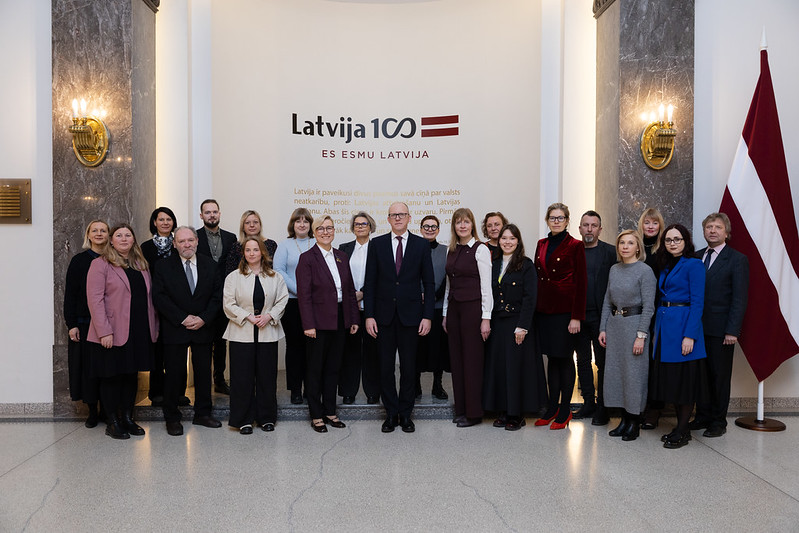
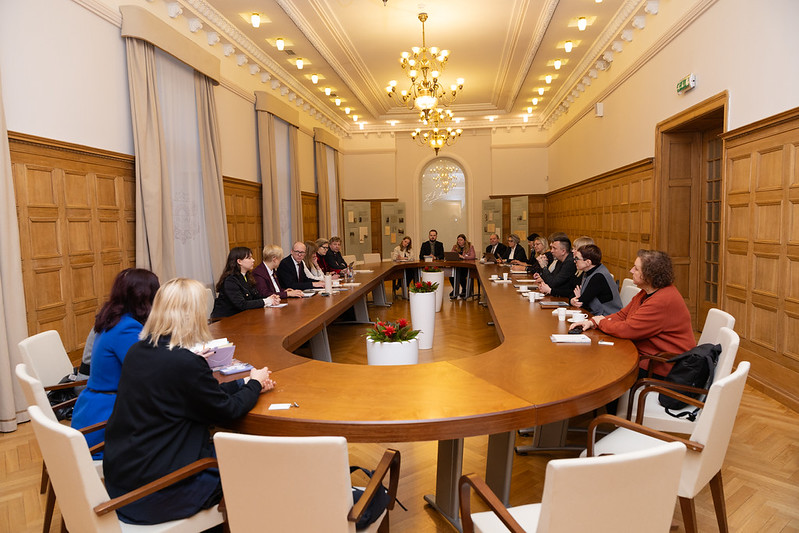
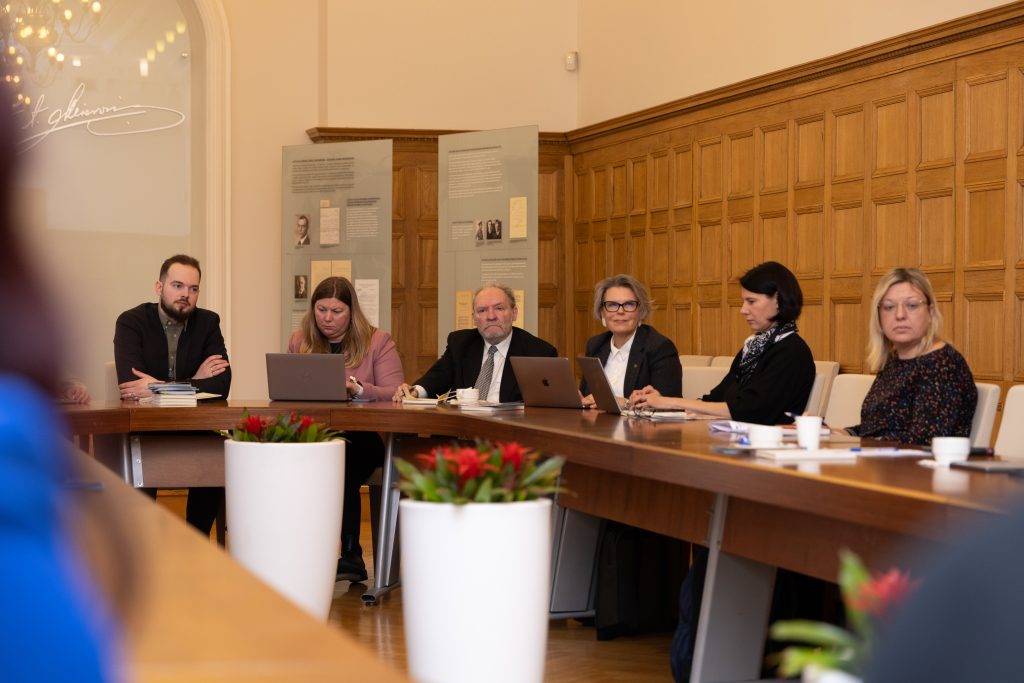
On January 23, 2026, a strategically important meeting was held at the Ministry of Foreign Affairs, bringing together experts from the United Nations Educational, Scientific and Cultural Organization (UNESCO) to define Latvia’s priority actions for 2026. The UNESCO Chair of Daugavpils University was represented by researcher Liene Briede.
The aim of the meeting was to strengthen cooperation between state institutions and the academic sector, to evaluate achievements in 2025, and to inform participants about the work plans of the involved participants for 2026. The meeting was opened by Latvia’s Ambassador Astonishing and Authoritative to UNESCO, Andris Pelšs, who emphasized that UNESCO has currently become an important platform for global geopolitical competition and highlighted the wide opportunities for Latvia to strengthen its position within the organization.
During the meeting, it was noted that 2025 had been diplomatically successful for Latvia within the framework of UNESCO. Latvian experts gained positions in three significant bodies: Dr. phil. Ivars Neiders was elected to the UNESCO Intergovernmental Bioethics Committee (2025–2029), journalist Rita Ruduša to the Intergovernmental Council of the International Programme for the Development of Communication (IPDC), and Dagnija Baltiņa to the UNESCO “Information for All Programme” (IFAP) (2025–2029).
Among the most important achievements of the Daugavpils University UNESCO Chair, particular emphasis was placed on the improved indicators of the Chair’s journal “Journal of Teacher Education for Sustainability” and the expansion of its author network, now including researchers from 41 countries worldwide, as well as the Chair’s involvement in several international projects.
The main UNESCO areas of work in 2026 include targeted coordination of expert activities to ensure stable Latvian representation in UNESCO committees and active engagement in addressing global challenges, with particular attention to issues related to cybersecurity and the quality of education. At the same time, a key priority is strengthening practical cooperation by promoting broader use of Latvian researchers’ expertise in international UNESCO projects and initiatives.
Photo: Ādams Edvards Vasaraudzis, Ministry of Foreign Affairs
Additional information about the meeting: Liene Briede, e-mail: liene.briede@du.lv