.svg)


Students in the second year of the professional bachelor’s programme Information Technologies at Daugavpils University participated in engaging and dynamic practical sessions led by two guest lecturers — Dr. sc. ing. Sigita Misiņa and internationally certified project manager Viktorija Klimko from Latvijas Mobilais Telefons (LMT). In these sessions, the employer representatives offered intensive, game-based simulations that helped students practically understand both the organization of IT work using Agile methodology and the importance of risk assessment in IT processes.
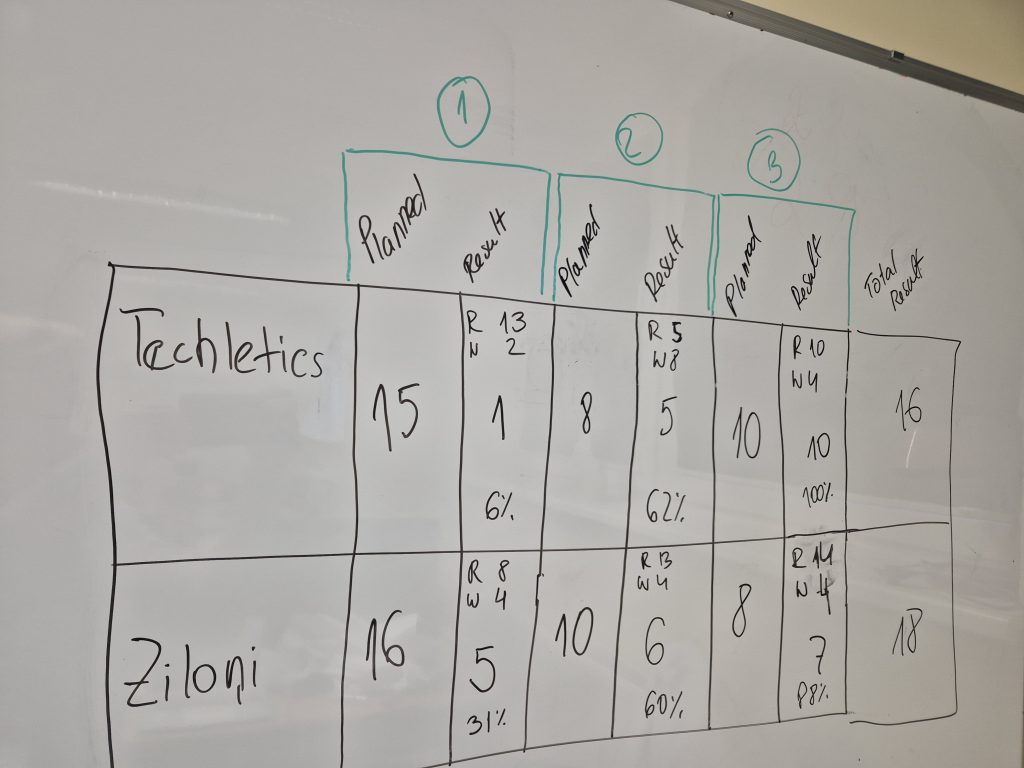
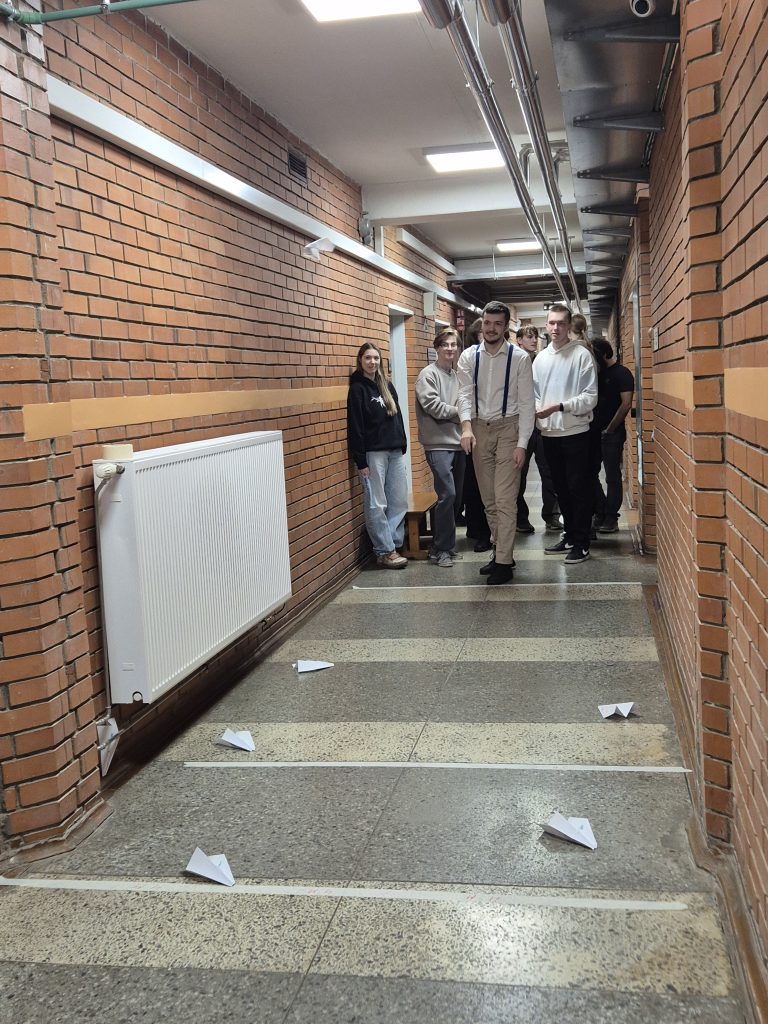
In the first simulation, students learned about the Deming Cycle (Plan–Do–Check–Act) principles and Agile Scrum ceremonies, with a strong emphasis on hands-on practice. Students were divided into two teams, and over three iterations (Scrum sprints), each team tried to produce as many high-quality paper airplanes as possible according to defined acceptance criteria. With each sprint, the requirements became more challenging — such as flight distance, logo, team name, and decorative elements.
A competitive spirit was present from the very beginning: strategy development, planning, optimizing production processes, team collaboration, cheers at successful flights, and careful result analysis created an authentic IT team working atmosphere. Students noted that the most valuable part was seeing how each iteration and retrospective enabled them to improve the process and achieve better results.
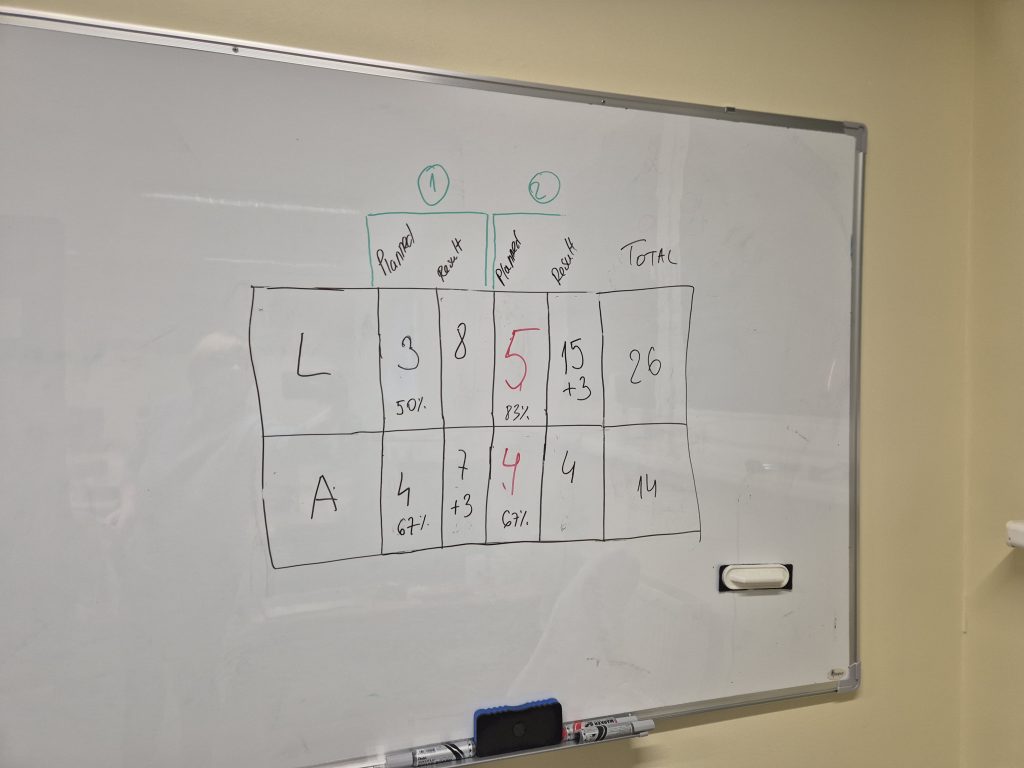
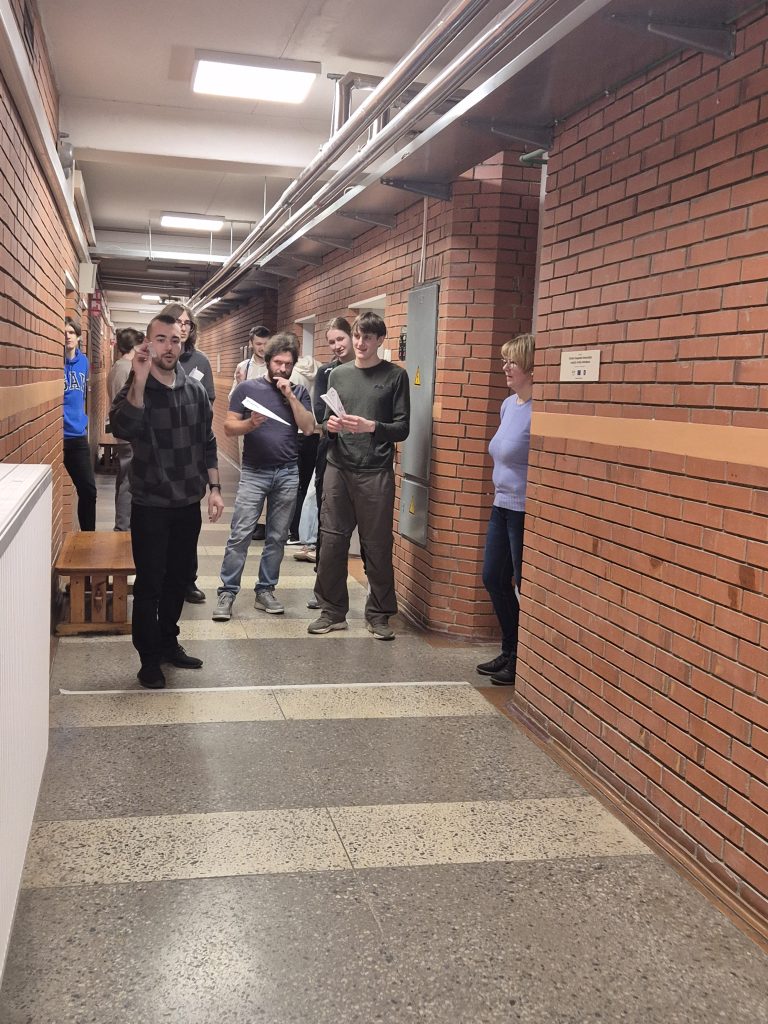
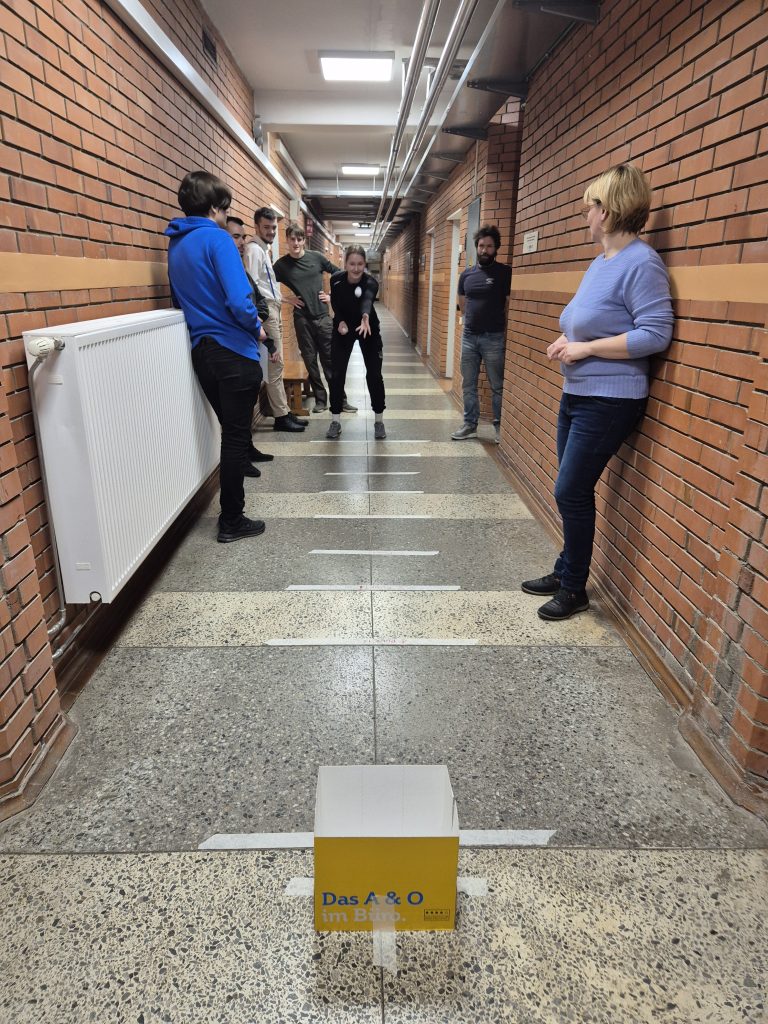
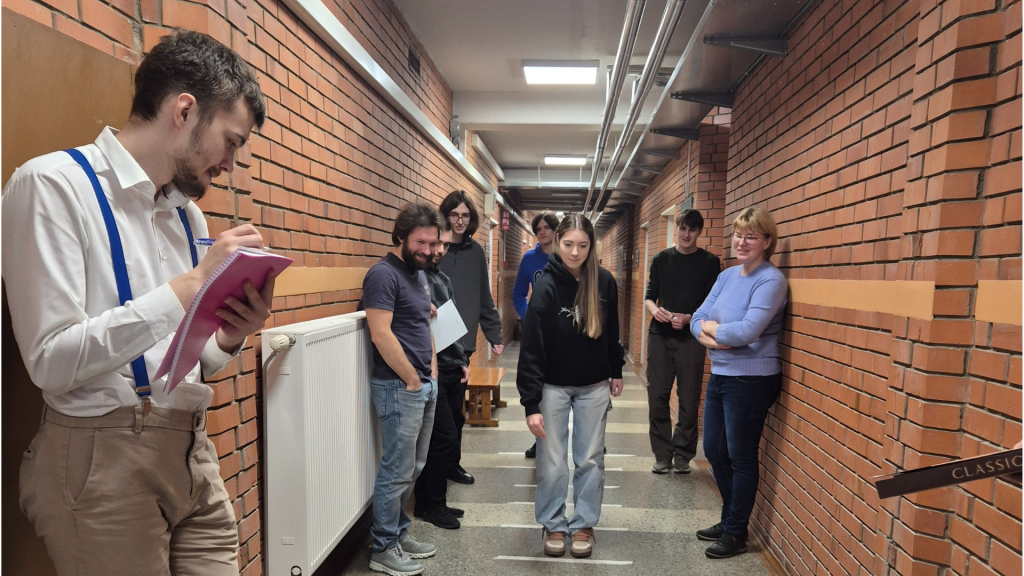
In another session, students learned the basics of risk management through a simulation game. Teams assessed potential risks, predicted how many paper balls would hit a target, and analyzed the consequences of choosing different throwing distances. Success in the game depended not only on accurate risk prediction but also on strategically choosing whether to take larger or smaller risks. This simulation vividly demonstrated the importance of sound decision-making and collaboration among different roles in IT projects.
In addition to the simulations, students had open discussions with the guest lecturers about the IT industry, everyday work challenges, and the importance of the project manager role in a company.
The experience was not only educational but also energetic, exciting, and motivating, providing deeper insight into processes that contribute to successful teamwork in IT. Collaboration with industry partners in the study process gives students a significant advantage — allowing them to encounter real-world work situations, test their skills in practice, and understand how professional teams organize their work.
The preparation of this article involved the assistance of an AI assistant.