


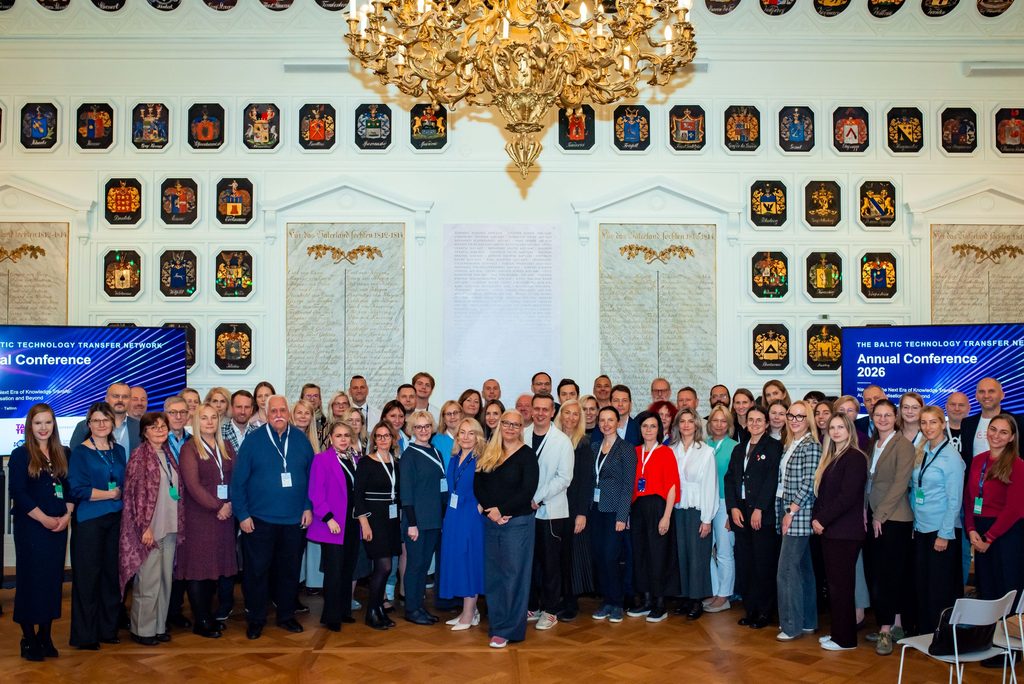
On 8–9 October 2026, the Baltic Technology Transfer Network Annual Conference 2026 took place in Tallinn, Estonia, bringing together representatives of universities, research institutions, technology transfer centres, and innovation ecosystems from the Baltic States and other European countries. Daugavpils University was represented by Dr. biol. Sanita Kecko, Head of the Research and Business Cooperation Centre “REBUS”, who participated in discussions and established new contacts for international cooperation.
The main theme of this year’s conference was “Navigating the Next Era of Knowledge Transfer: AI, Commercialisation and Beyond.” The conference focused on the application of artificial intelligence in knowledge and technology transfer, the commercialisation of research results, the development of university spin-off companies, intellectual property management, and innovation support mechanisms.
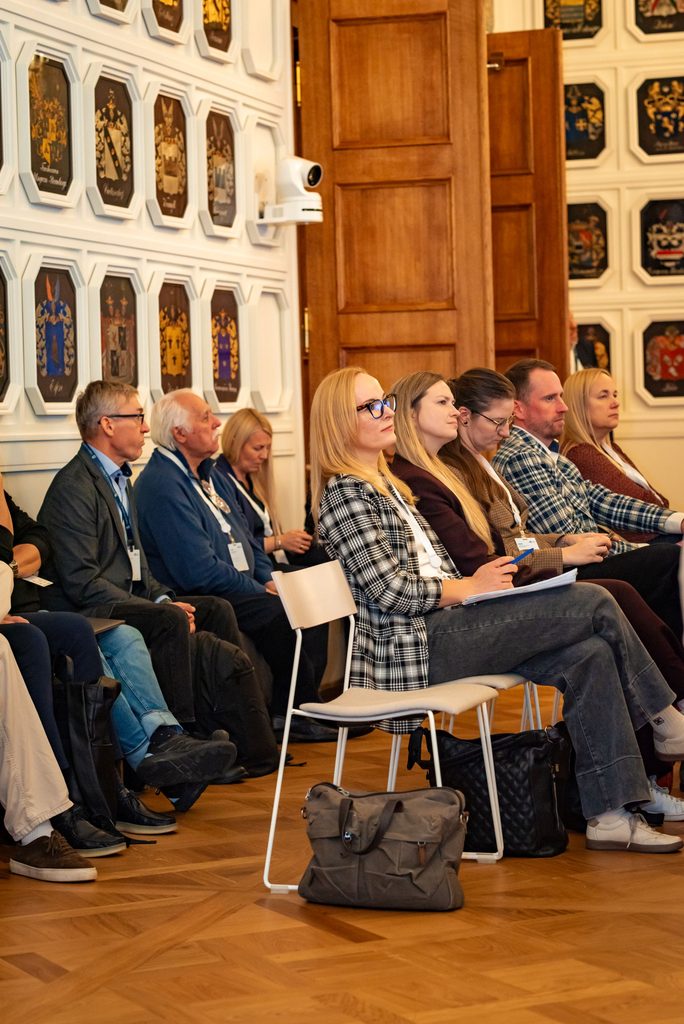
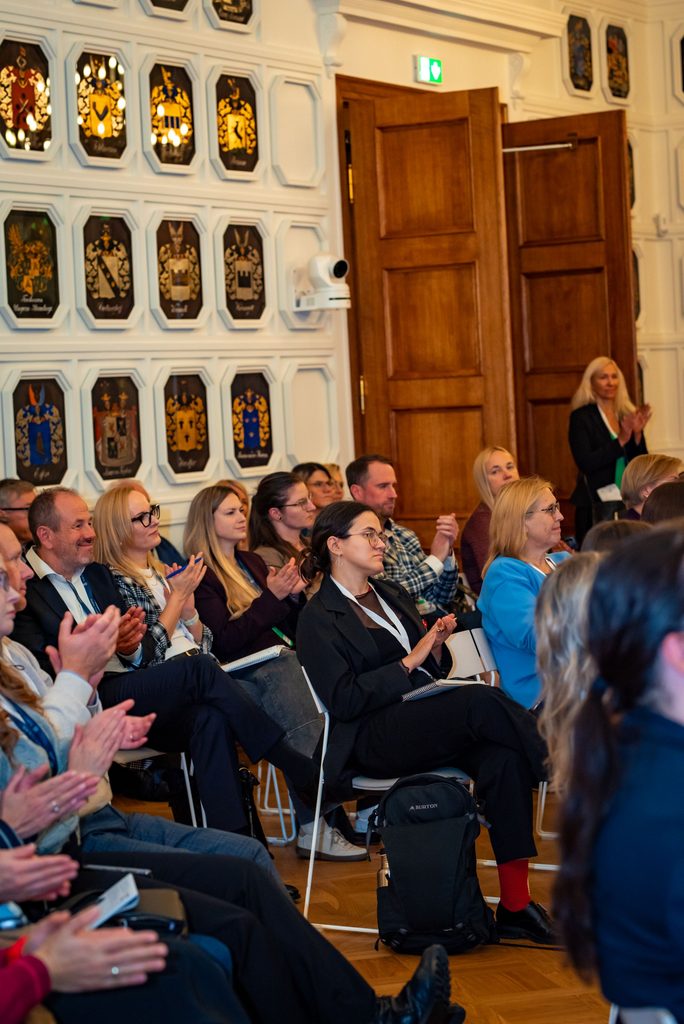
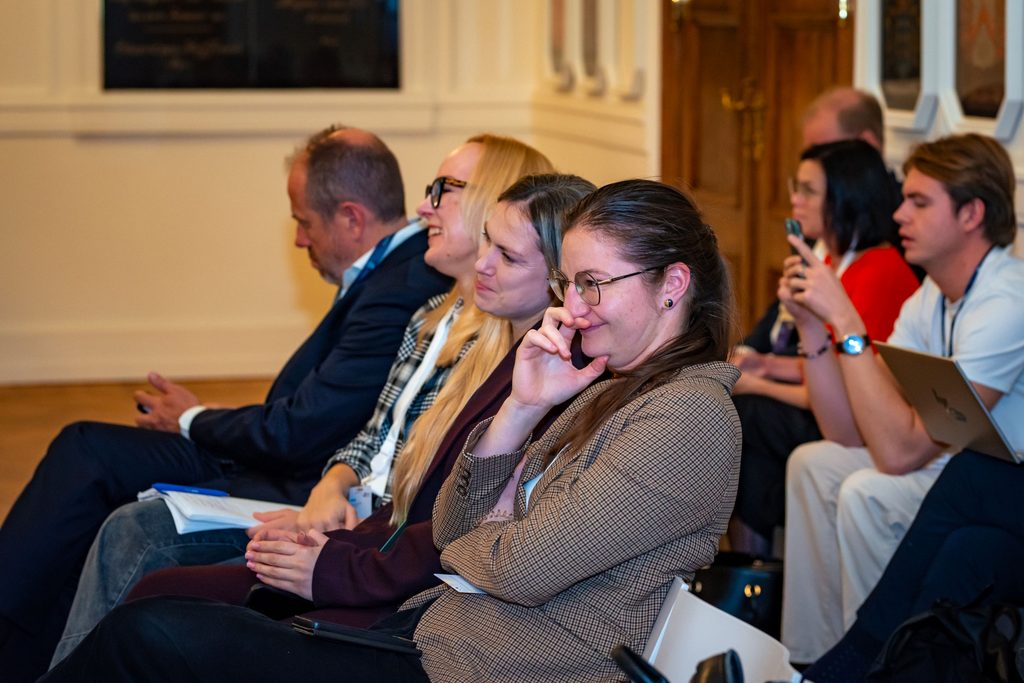
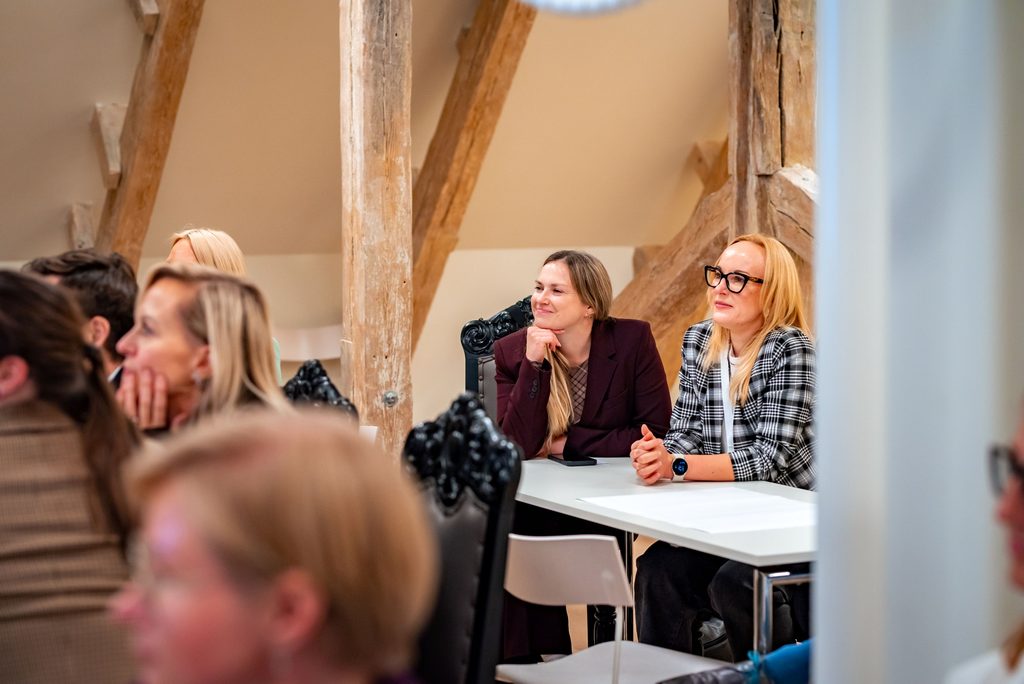

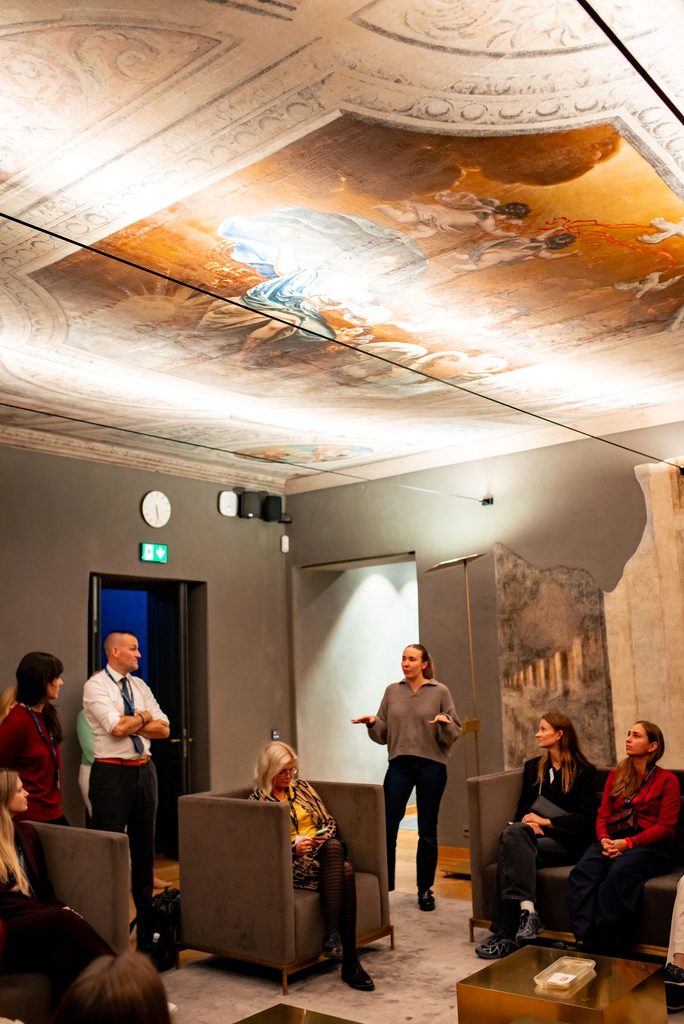
The conference was opened by Janne Andresoo, Director General of the Estonian Patent Office, and Erik Puura, Vice-Rector for Entrepreneurship at Tallinn University of Technology (TalTech), who highlighted the importance of knowledge transfer and university–industry cooperation in fostering innovation.
The keynote presentation on the opportunities, risks, and strategic choices in knowledge transfer in the age of artificial intelligence was delivered by Risto Uuk, Head of European Policy and Research at the Future of Life Institute. Subsequent panel discussions brought together experts from Germany, Estonia, and the Netherlands to explore the potential of artificial intelligence in the activities of technology transfer offices, including its possible applications in innovation assessment, as well as challenges related to data protection and the responsible implementation of emerging technologies.
Particular attention was paid to the commercialisation of research results and the establishment of university spin-off companies. Renato Calzone, Head of the Knowledge Transfer Office at Eindhoven University of Technology, shared practical experience in transforming research results into commercial value. A panel discussion on the key factors contributing to the successful establishment of university spin-off companies in the Baltic States featured Rene Jõeleht, representative of Tallinn University of Technology; Kaija Kurme-Jansone, Innovation Expert at the Institute of Solid State Physics, University of Latvia; and Greta Žėkienė, Head of Intellectual Property Management at Kaunas University of Technology.
The conference programme also addressed state aid regulations and related challenges in knowledge transfer, presented by Dr. Florian Kirschenhofer from Max Planck Innovation (Germany). In addition, Magnus Hakvåg, CEO of the Norwegian company House of Knowledge, led an interactive session on strategic intellectual property management, during which participants had the opportunity to analyse various scenarios and evaluate decision-making processes in the context of research and business.
Additional information:
Head of the Research and Business Centre ‘REBUS’
Sanita Kecko
e-mail: sanita.kecko@du.lv


