


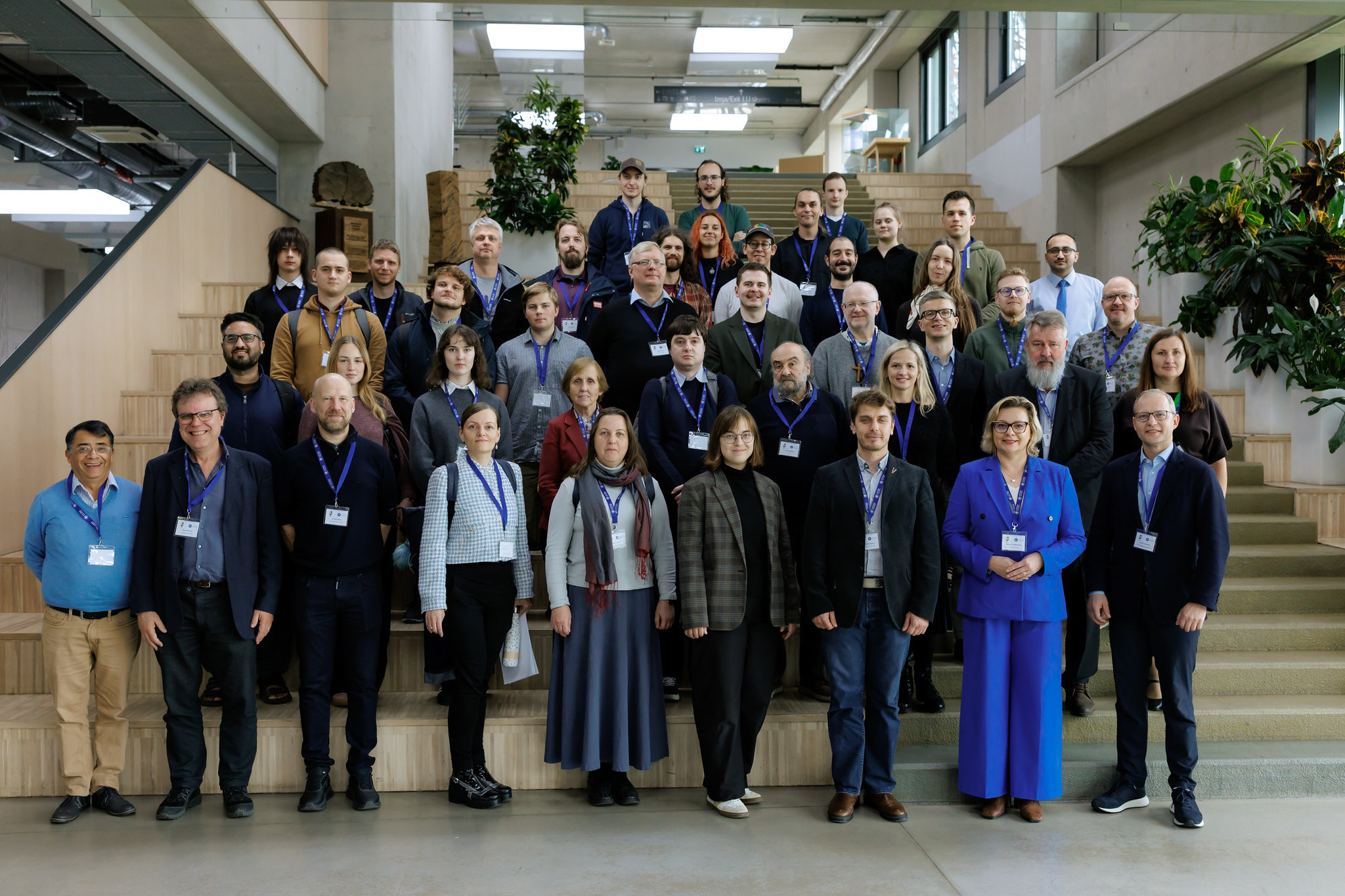
Representatives of the Institute of Life Sciences and Technology at Daugavpils University participated in the 6th CERN Baltic Conference (CBC 2026) and the CERN Baltic Group (CBG) Coordination Team Meeting, held on 13–15 October 2026. Their participation contributed to strengthening regional research capacity and advancing integration into Europe’s leading ecosystem of high-energy physics and innovative technologies..
During the meeting, participants discussed strategic and organisational matters, as well as plans for the shared use of scientific infrastructure, in preparation for upcoming international events in 2027. Particular attention was paid to preparations for the 2027 CERN Baltic Conference (CBC 2027), which, following a joint agreement, will be hosted by Estonia in cooperation with the University of Tartu, the National Institute of Chemical Physics and Biophysics (KBFI), and Tallinn University of Technology (TalTech). The participants also discussed the organisation of the 2027 CERN Baltic Group School (CBG School 2027), which will be hosted by Vilnius University in Lithuania.
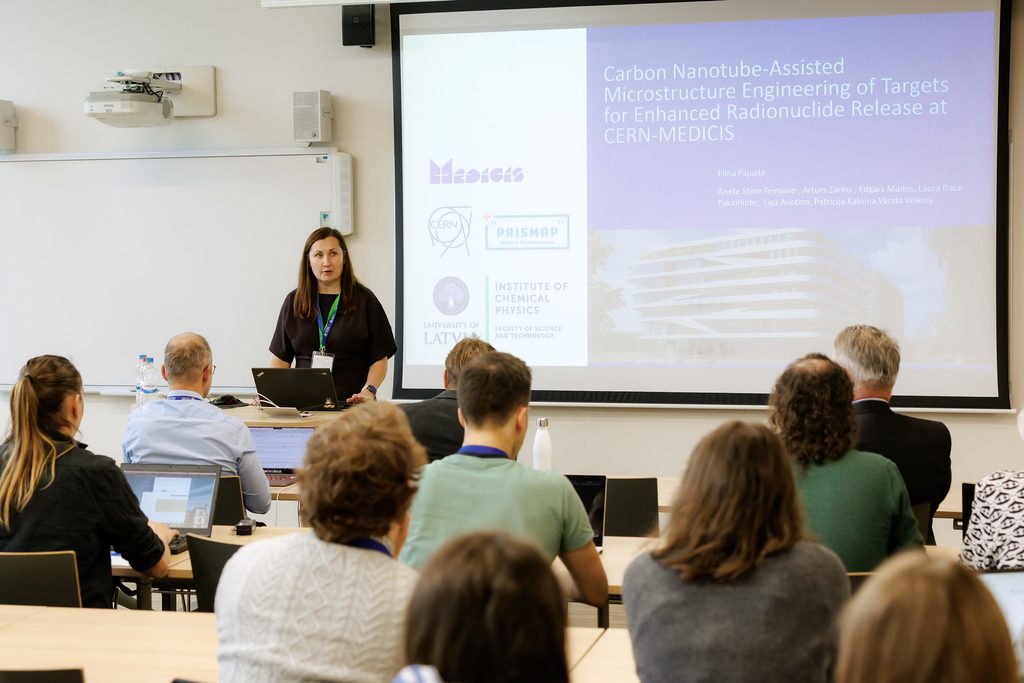
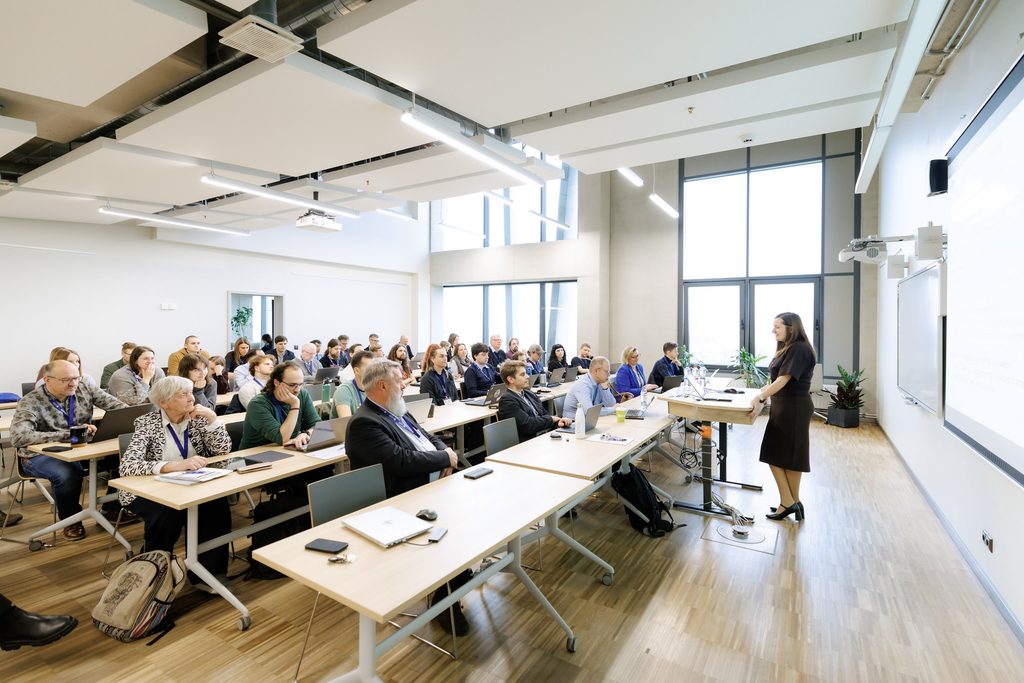
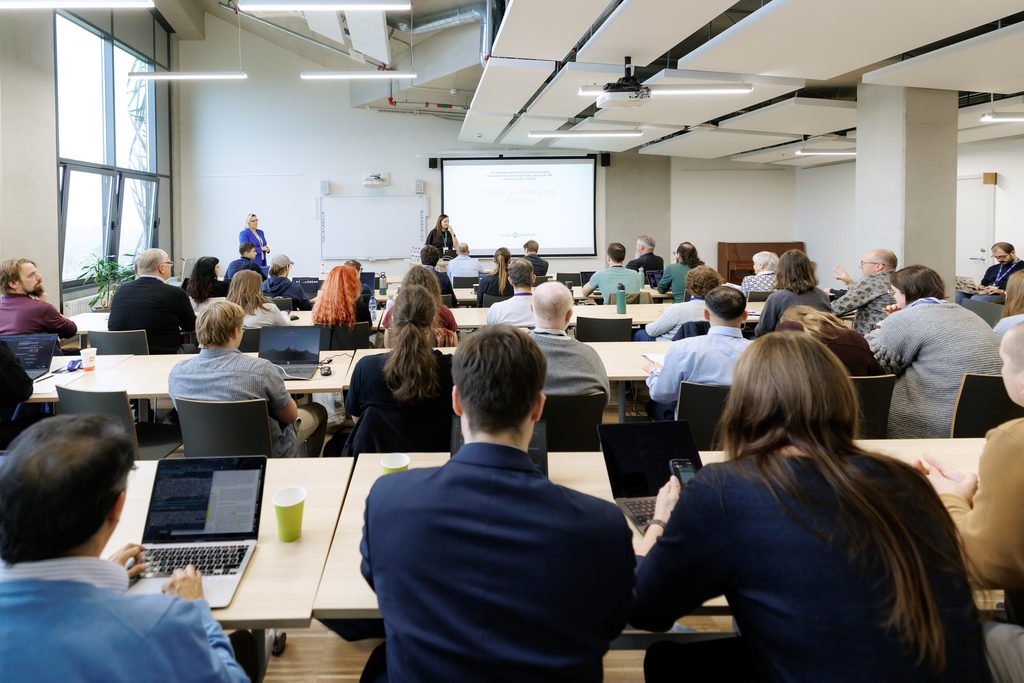
A key focus of the conference and coordination meeting was the potential use of CERN’s existing large-scale particle accelerators in research projects involving Baltic scientists, alongside ambitious plans to develop new, advanced particle accelerator facilities within the Baltic States. Participants emphasised that developing regional infrastructure for high-energy particle research and accelerator technologies is essential not only for fundamental physics but also for advancing innovative medical applications.
Particular emphasis was placed on the application of high-energy particle beams in modern particle therapy, which offers high precision and effectiveness in treating various types of cancer and other serious diseases. Such technologies could also open new opportunities for medical research, disease prevention, and the development of innovative healthcare solutions.
The meeting represented a natural and forward-looking continuation of the 16th CERN Baltic Group General Meeting. The work of the Coordination Team plays a crucial role in developing a clear, strategically coordinated, and methodologically sound roadmap for strengthening regional participation in international large-scale research initiatives, commonly referred to as Big Science.
Additional Information:
Sanita Kecko
e-mail: sanita.kecko@du.lv


