

.svg)


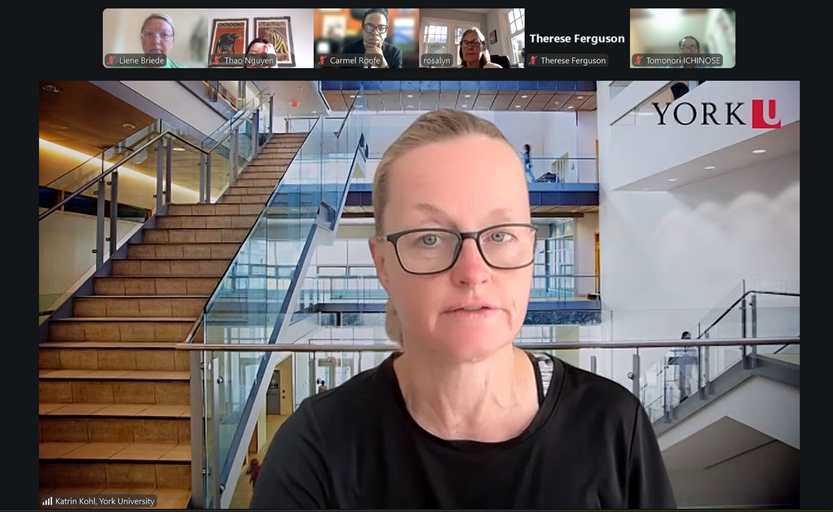
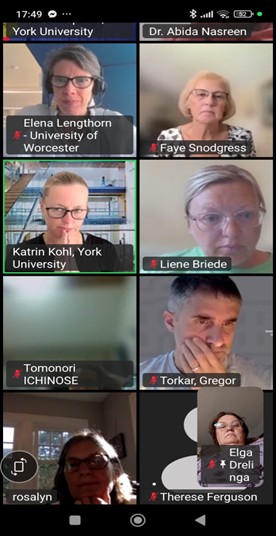
On 6 July 2026, researchers from the Daugavpils University’s UNESCO Chair, Liene Briede and Elga Drelinga, represented Daugavpils University at an international online meeting of the PEARL project. The meeting brought together project partners to review progress to date, discuss the next stages of the research, and coordinate ongoing collaboration in literature analysis and the development of professional learning materials.
PEARL (Peace, Empowerment, and Action through Reflective Leadership) is an international research project coordinated by the UNESCO Chair at York University in cooperation with INTEI – the International Network of Teacher Education Institutions associated with UNESCO for the Sustainable Development of Teacher Education. The project seeks to strengthen teachers’ informal and non-positional leadership in promoting Education for Sustainable Development (ESD) through the development of a professional development framework and practical recommendations for teacher education. In the long term, PEARL aims to contribute to the improvement of teacher preparation and continuing professional development, supporting teachers in becoming active agents of change in the fields of sustainable development, peace, human rights, and global citizenship education.
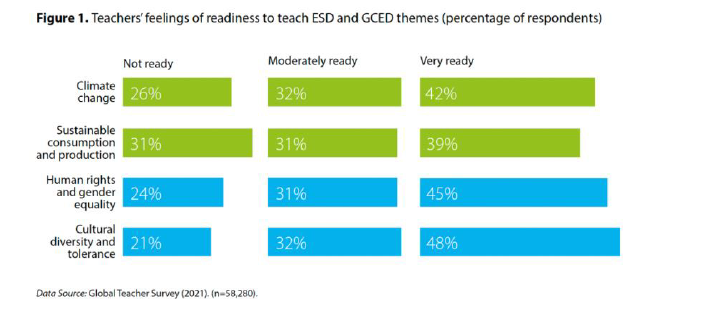
Sanāksmē tika apspriests arī Daugavpils Universitātes ieguldījums projektā – sagatavotais literatūras pārskats par skolotāju līderību Latvijā un Baltijas valstīs. Pārskatā secināts, ka skolotāju līderība reģionā visbiežāk izpaužas kā profesionālā iniciatīva, sadarbība, mācību satura pilnveide un ilgtspējas jautājumu integrēšana izglītībā, nevis formāla līderības pozīcija. Vienlaikus uzsvērts, ka šādas neformālās līderības prakses Baltijas valstīs joprojām ir nepietiekami atpazītas un sistemātiski atbalstītas, lai gan tām ir nozīmīga loma izglītības pārmaiņu veicināšanā.
The meeting also highlighted Daugavpils University’s contribution to the project, namely a literature review on teacher leadership in Latvia and the Baltic States. The review indicates that teacher leadership in the region is most often expressed through professional initiative, collaboration, curriculum development, and the integration of sustainability issues into education, rather than through formal leadership roles. At the same time, it underlines that such informal leadership practices in the Baltic States are still not sufficiently recognised or systematically supported, despite their important role in fostering educational change.
Additional information:
Researcher at the UNESCO Chair Liene Briede
E-mail: liene.briede@du.lv


